









🏺 Ancient & Historical Paris Video Chronicles (Before 52 BC – 1789 AD)
⏳ #20 • 1600–1789 AD
🎬 Watch the 20-second video preview, then listen to the cliffhanger audio teaser ← Explore All App Features
🎬 20-Second AI Historical Reconstruction Preview
0:00 / 0:20
20s PREVIEW
🎧 Continue Listening — Audio Teaser

“Beneath the glowing oil lanterns of eighteenth-century Paris, ideas were brewing that would shatter absolute monarchy forever. From clandestine debates at the Palais-Royal to secret presses along the Seine, the modern world took form. Unlock the full video reconstruction and uncover these hidden historic streets in the free Paris Smart Guide app today.”

Unlock the full historical reconstruction video & complete story in the free Paris Smart Guide app.

Era V: Late Medieval to Enlightenment Paris (1300 – 1789 AD)

The Enlightenment Street: Cafés, Carriages, and the Birth of the City of Light

Philosophers and citizens ignite a cultural revolution across nocturnal Parisian streets.

By the eighteenth century, Paris transformed into the intellectual crucible of Europe. Along the cobblestones flanking the Seine, aristocratic carriages jostled against peddlers while aromatic fumes drifted from pioneering establishments. The city discarded its medieval slumber, giving rise to Enlightenment cafés and an electrified public sphere that fundamentally reshaped urban civilization on the eve of the French Revolution.

🎧 Continue Listening — Audio Teaser

“Beneath the glowing oil lanterns of eighteenth-century Paris, ideas were brewing that would shatter absolute monarchy forever. From clandestine debates at the Palais-Royal to secret presses along the Seine, the modern world took form. Unlock the full video reconstruction and uncover these hidden historic streets in the free Paris Smart Guide app today.”

Coffeehouses as the New Republic of Letters

The birth of the Parisian café marked an unprecedented shift in urban sociability. Venerable establishments like the Café Procope on the Left Bank welcomed playwrights, encyclopedists, and philosophers who traded courtly decorum for spirited political debate. Fueled by exotic stimulants like coffee and dark chocolate, figures such as Voltaire, Diderot, and Rousseau turned marble tables into democratic lecterns. Unlike aristocratic salons, these public coffeehouses were accessible to any literate citizen holding a few copper coins, transforming daily refreshments into explosive forums where the conceptual foundations of liberty, equality, and human rights were openly debated and drafted.
Illuminating the Night and Taming the Pavement

Before the reign of Louis XIV, Parisian nights belonged entirely to cutpurses and shadows. The appointment of the first Lieutenant General of Police, Gabriel Nicolas de la Reynie, dramatically revolutionized city life through systematic infrastructure:

  • Over two thousand glass lanternes were suspended above principal thoroughfares.
  • Nighttime curfews yielded to bustling nocturnal commerce and promenade culture.
  • Streets received raised sidewalks and gutters, mitigating open sewage.

This deliberate illumination earned Paris its celebrated moniker, the City of Light, shifting social reality forever as nocturnal life flourished outside private domestic confines.

The Palais-Royal and the Crucible of Uncensored Liberty

Under the sovereign immunity of the Duke of Orléans, the arcades of the Palais-Royal operated entirely outside royal police jurisdiction. This sprawling pleasure ground became an anarchic fusion of elite shopping, gambling dens, theatrical booths, and radical political printing presses. It was here, atop a café table in July 1789, that Camille Desmoulins rallied crowds toward the Bastille. Today, the neoclassical colonnades still preserve the spatial memory of that electric prelude, where clandestine pamphlets circulated freely through crowded garden alleys, undermining Bourbon absolutism through untamed public discourse.

Archaeological Legacy of Pre-Revolutionary Modernity

Beneath Haussmann's grand nineteenth-century boulevards lie the tangible remnants of this transitional metropolis. Walking through the Latin Quarter or Le Marais reveals historic bornes—stone wheel-guards carved to protect townhouses from speeding carriages—and faded iron brackets that once hoisted oil lamps. The grand urban plazas conceived under the Bourbons, such as the Place Vendôme and Place Louis XV, established the neoclassical sightlines that still define modern Paris. This vibrant urban stage directly set the scene for the dramatic overthrow of the Ancien Régime.

🔒 FULL HISTORICAL NARRATION & VIDEO

Continue Watching & Reading in the App

Scan the QR code on the Floating App Card at the bottom-right of your screen to watch the full AI Paris reconstruction video and read the complete story for free.

Download the free Paris Smart Guide app on iOS or Android to watch the full AI historical video and read the complete story.

📲 Get the Free App Now
🎧 STEP INSIDE THE MONUMENTS

Explore Our 8 Flagship Interactive Paris Audio Tours

Go beyond the historical chronicles—walk Paris's greatest museums and historic neighborhoods with offline GPS & interactive AI audio guides.

The 1-Hour Masterpiece Dash 🏛️ #1 • The Louvre Museum

The 1-Hour Masterpiece Dash

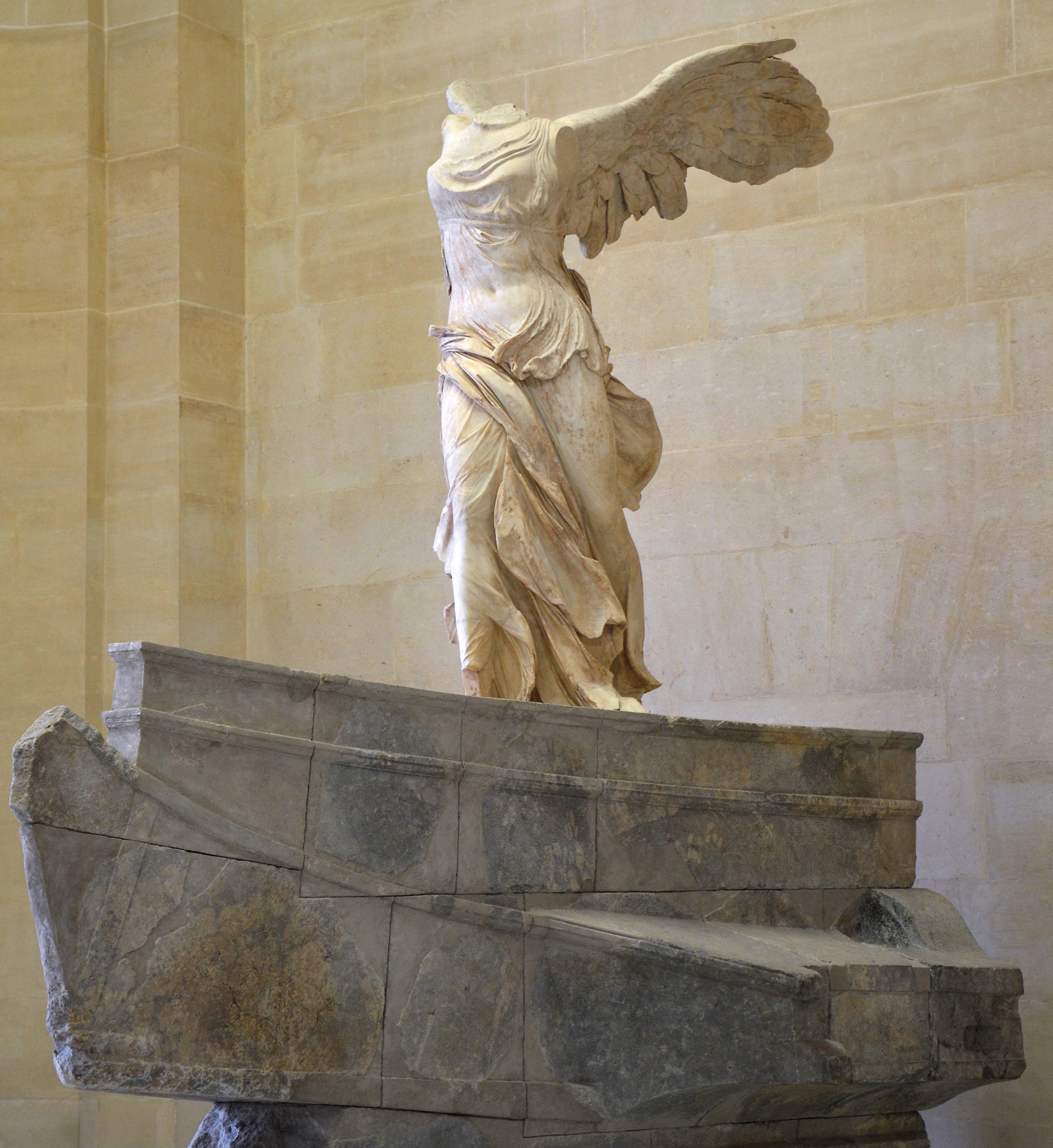
Short on time? See the Mona Lisa, Venus de Milo, and Winged Victory before the crowds arrive.

Explore Audio Guide →
The Impressionist Revolution 🏛️ #2 • Musée d'Orsay

The Impressionist Revolution

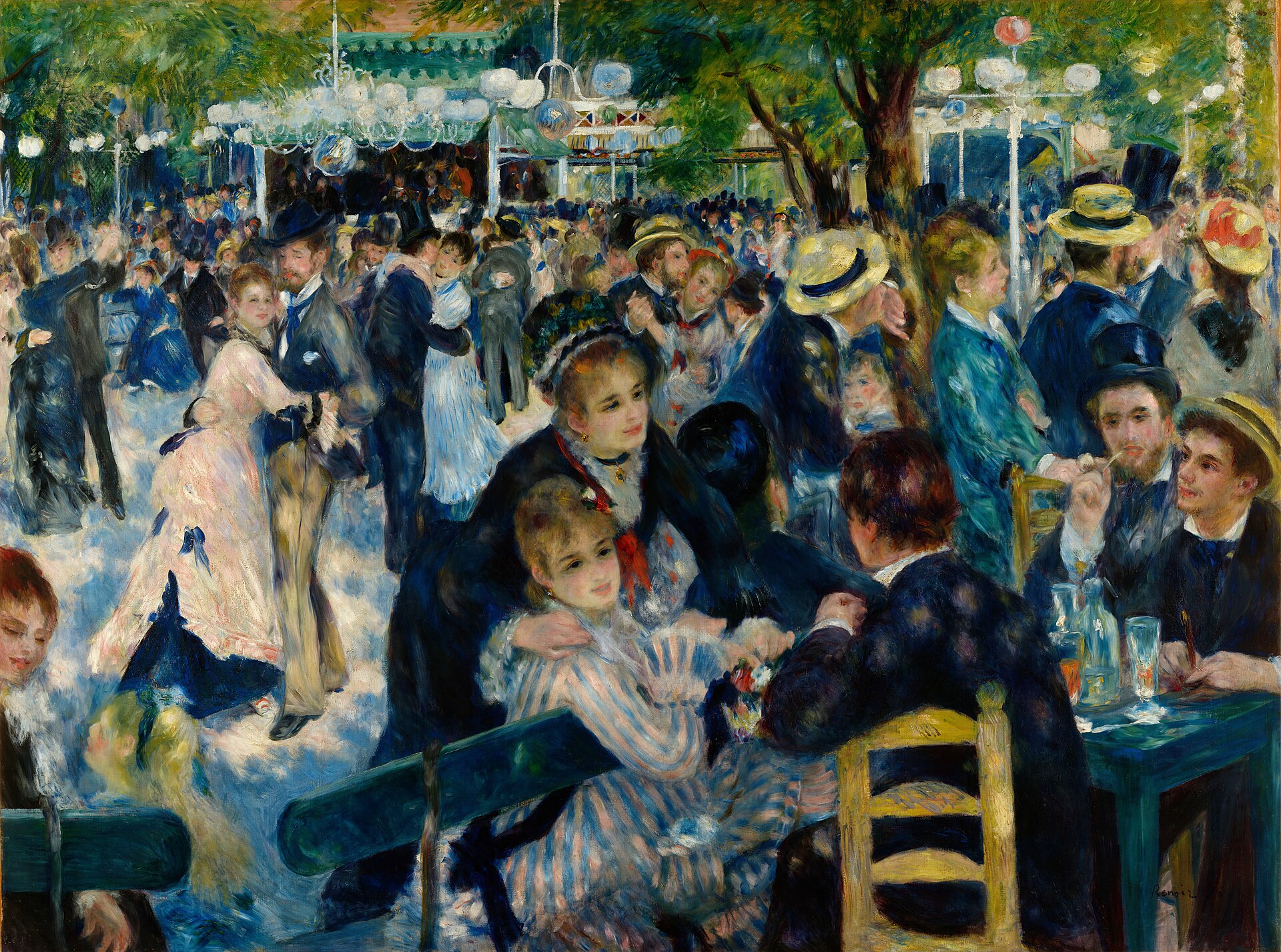
Witness the birth of modern art through the defining masterpieces of Monet, Renoir, and Van Gogh.

Explore Audio Guide →
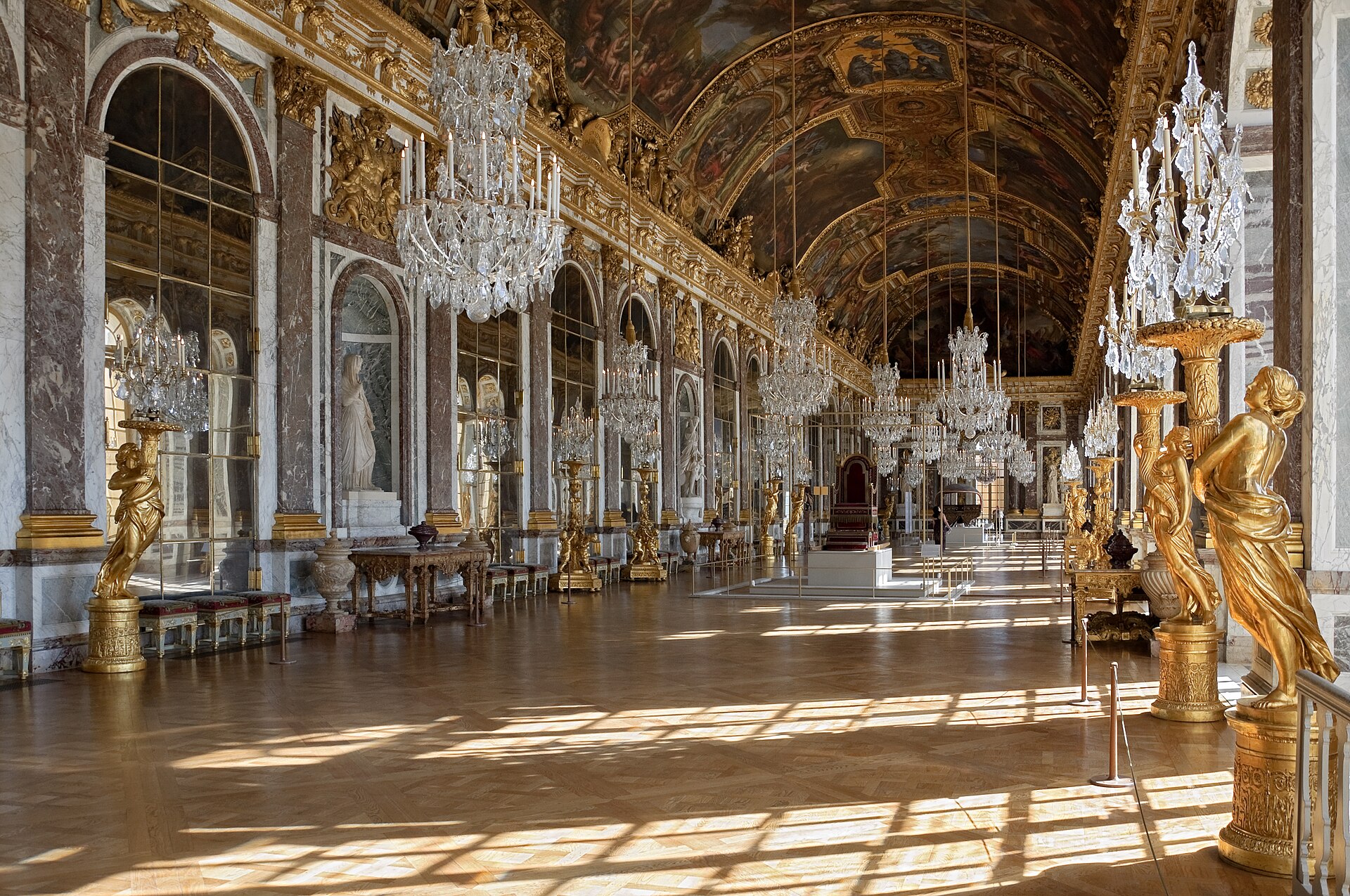
The Sun King's Court 🏛️ #3 • Palace of Versailles

The Sun King's Court

Walk the halls of absolute power, focusing on the ceremonial life of Louis XIV and the staggering wealth of the French monarchy.

Explore Audio Guide →
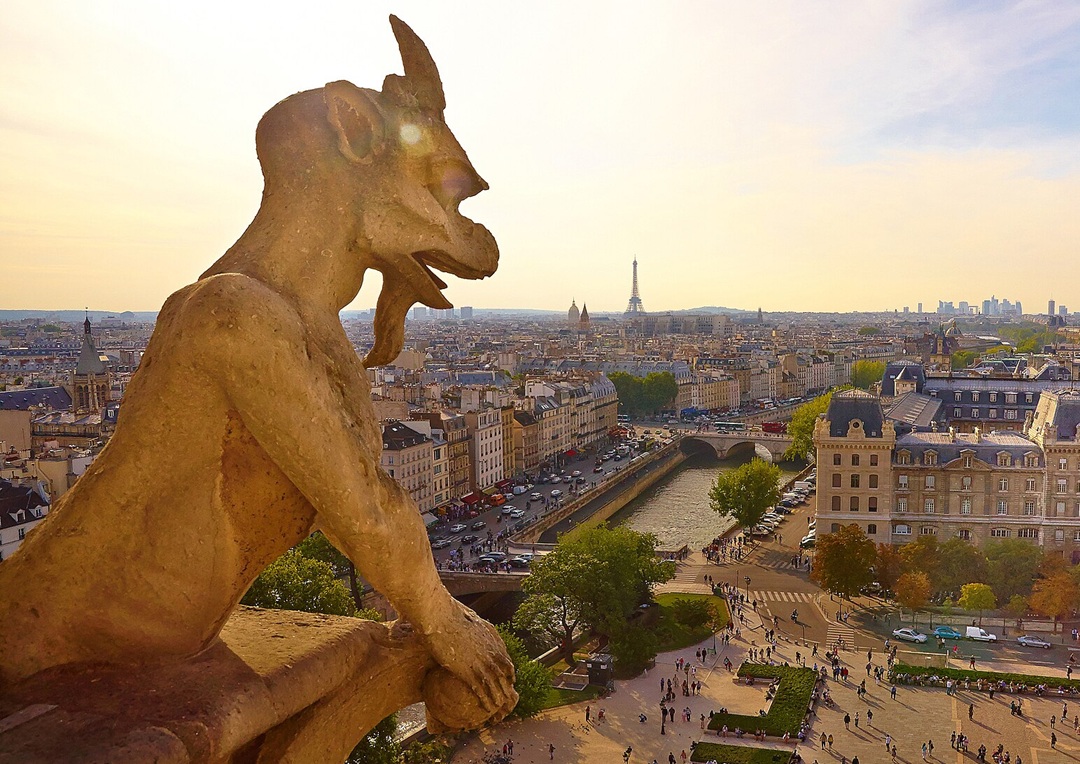
Notre-Dame: The Gothic Heart 🏛️ #4 • Île de la Cité & Notre-Dame

Notre-Dame: The Gothic Heart

Walk the perimeter and interior of the world's most famous cathedral, exploring its gothic engineering, its survival, and its 2024–2025 resurrection.

Explore Audio Guide →
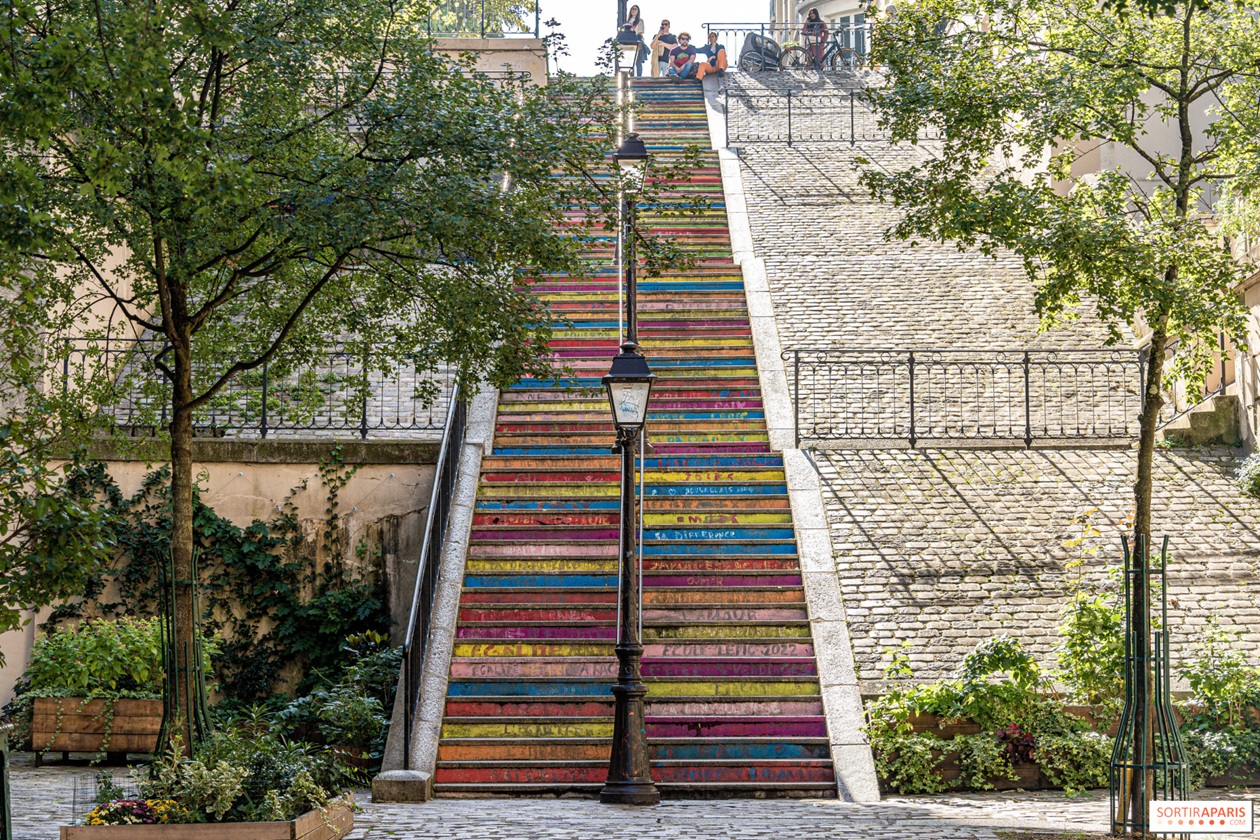
The Classic Climb 🏛️ #5 • Montmartre: The Bohemian Peak

The Classic Climb

Ascend to the Sacré-Cœur, winding through the bustling Place du Tertre and the iconic cobblestone streets of the hilltop village.

Explore Audio Guide →
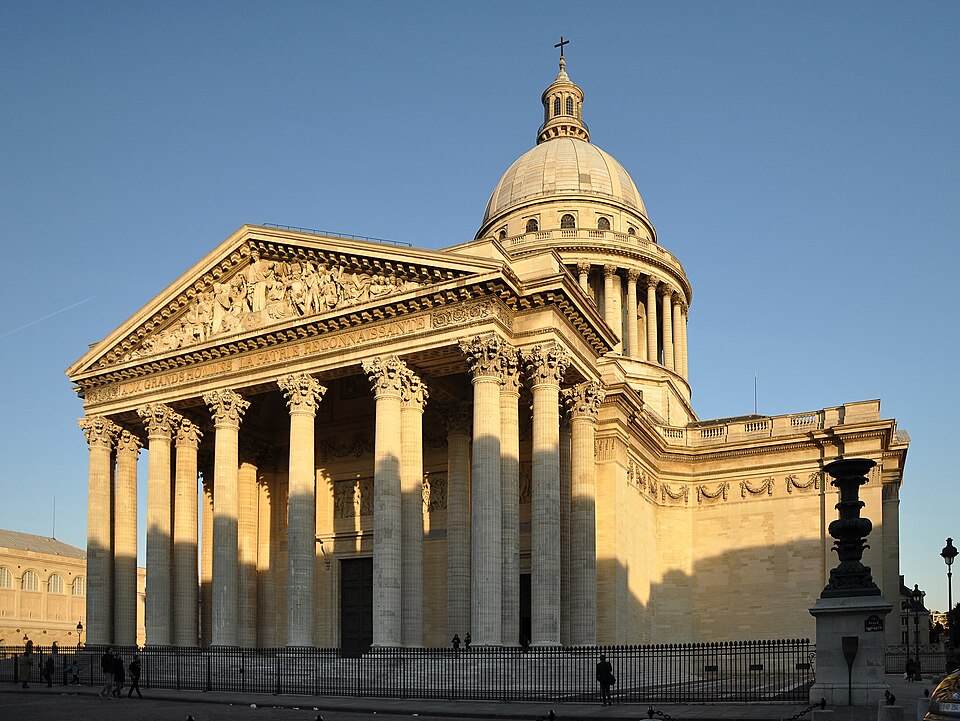
The Heart of the Left Bank 🏛️ #6 • The Latin Quarter & Saint-Germain

The Heart of the Left Bank

Walk the historic student quarter, exploring the monumental Panthéon, the Sorbonne University, and the lively Boulevard Saint-Michel.

Explore Audio Guide →
The Golden Age Mansions 🏛️ #7 • Le Marais: Aristocrats to Avant-Garde

The Golden Age Mansions

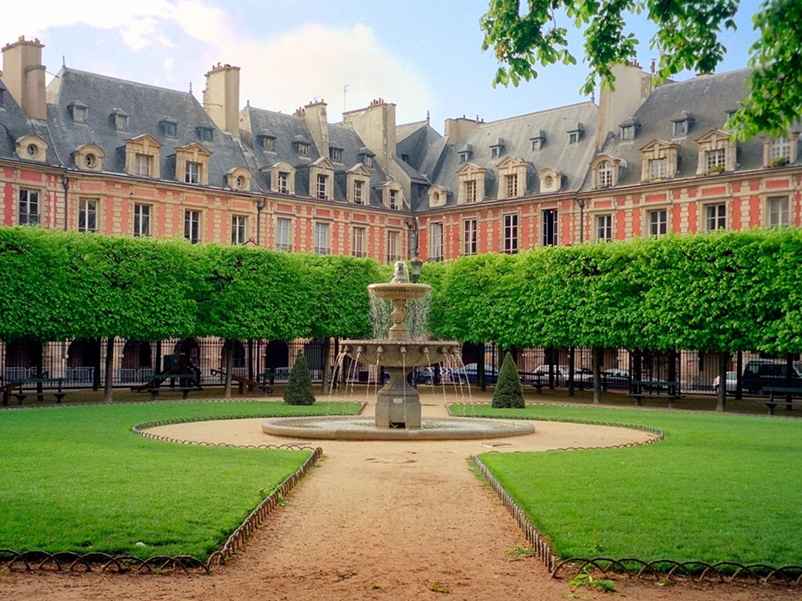
Discover the spectacular 17th-century Hôtels Particuliers (private palaces) and the breathtaking symmetry of the Place des Vosges.

Explore Audio Guide →
The Iron Lady & The Seine 🏛️ #8 • The Triumphal Way: Eiffel & The Grand Boulevards

The Iron Lady & The Seine

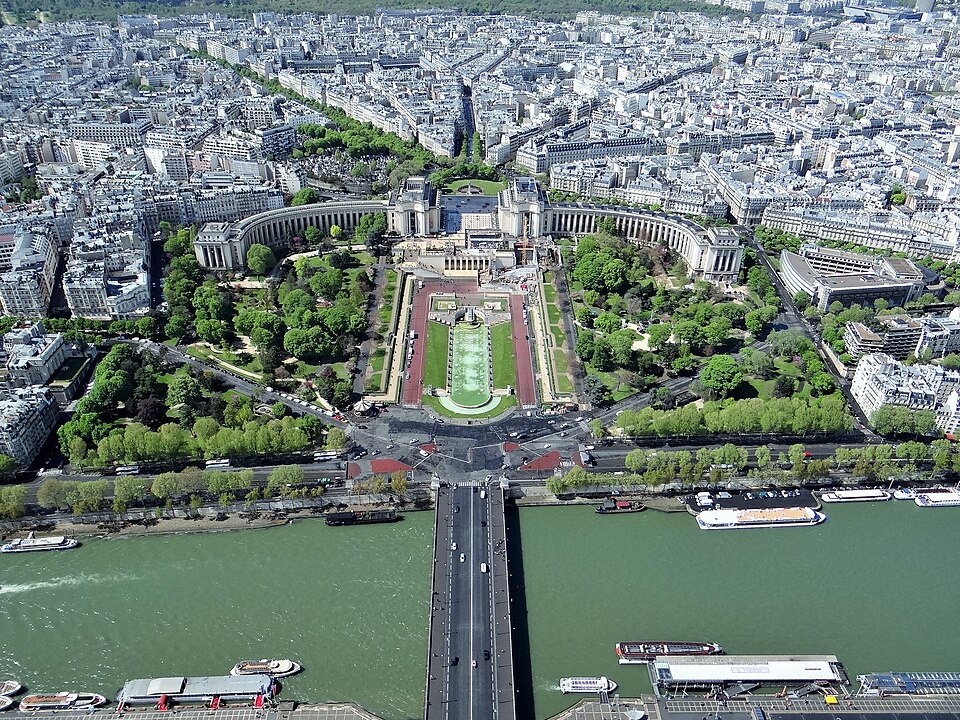
The ultimate photo route. Explore the Trocadéro, the architectural marvel of the Eiffel Tower, and the beautiful bridges of the Seine.

Explore Audio Guide →

Frequently Asked Questions

Why was Paris first called the City of Light?

During the late seventeenth century under Louis XIV, the crown installed thousands of glass oil lanterns across Parisian streets to deter crime, making Paris one of the first well-lit nighttime cities in Europe and inspiring the famous moniker.

What role did Café Procope play in the Enlightenment?

Founded in 1686 in Saint-Germain-des-Prés, Café Procope served as the chief meeting place for philosophers like Voltaire and Rousseau, who gathered to debate ideas, critique royal policy, and draft entries for Diderot's revolutionary Encyclopédie.

Can you still see traces of Enlightenment Paris today?

Yes. Visitors can stroll through the arcaded gardens of the Palais-Royal, visit operating historic establishments like Café Procope, and observe pre-revolutionary stone carriage guards and street-level corner stones throughout the Marais and Latin Quarter.

How did street life in Paris change before 1789?

Streets became public stages. Paved walkways, street lamps, and public arcades encouraged people of all classes to mix, read news gazettes, argue politics, and participate in an emerging public sphere that fueled revolutionary fervor.

⏳ Continue This Paris Historical Era

Paris Smart Guide
★★★★★ 4.8 • FREE APP • OFFLINE GPS
Hear Paris's Hidden Stories
Your Personal Audio Guide • 10 Languages
🎧 Download