









🏺 Ancient & Historical Paris Video Chronicles (Before 52 BC – 1789 AD)
⏳ #5 • 52 BC
🎬 Watch the 20-second video preview, then listen to the cliffhanger audio teaser ← Explore All App Features
🎬 20-Second AI Historical Reconstruction Preview
0:00 / 0:20
20s PREVIEW
🎧 Continue Listening — Audio Teaser

“When the smoke cleared in 52 BC, Roman surveyors drew a new destiny in stone on the Left Bank. Beneath modern sidewalks lie grand imperial baths, forgotten temples, and gladiatorial arenas. Download the free Paris Smart Guide app to watch the cinematic 3D reconstruction and uncover ancient Lutetias deepest secrets today.”

Unlock the full historical reconstruction video & complete story in the free Paris Smart Guide app.

Era II: Roman Lutetia (52 BC – 300 AD)

The Eagles of Rome Land: The Birth of Lutetia in 52 BC

From burning Celtic bridges to imperial limestone foundations along the Seine.

In the sweltering late spring of 52 BC, the roar of battle along the Seine sealed the fate of the Parisii tribe. As smoke billowed from burning wooden bridges across the Île de la Cité, Julius Caesar's top lieutenant, Titus Labienus, planted the Roman standards on the riverbank, transforming a sovereign tribal hub into an imperial stronghold.

🎧 Continue Listening — Audio Teaser

“When the smoke cleared in 52 BC, Roman surveyors drew a new destiny in stone on the Left Bank. Beneath modern sidewalks lie grand imperial baths, forgotten temples, and gladiatorial arenas. Download the free Paris Smart Guide app to watch the cinematic 3D reconstruction and uncover ancient Lutetias deepest secrets today.”

The Smoldering Ashes of Celtic Defiance

Before Roman engineers drove their first survey stakes, Gaul was engulfed in fire. Led by the aging chieftain Camulogenus, the Parisii chose scorched-earth defiance over submission. Rather than surrender their stronghold to Titus Labienus's four veteran legions, the warriors torched their own settlement and felled the wooden bridges linking the island to both banks of the Seine. The clash culminated in the ferocious Battle of Lutetia, where Roman discipline ultimately crushed the Celtic cavalry. Though Camulogenus perished on the battlefield, his defeat paved the way for an extraordinary urban rebirth under Roman civil administration.

Surveying the Left Bank: The Grid of Lutetia

Rome did not simply occupy; it completely re-engineered the landscape. Rejecting the flood-prone marshes of the Right Bank, military agrimensores looked southward to the slopes of the Montagne Sainte-Geneviève. Here, they struck the cardo maximus—an unyielding north-south axis tracing today's Rue Saint-Jacques. Along this imperial meridian, engineers plotted a precise orthogonal grid of decumani and insulae. For the first time, thatch and river clay gave way to durable Lutetian limestone quarried from local subterranean veins, anchoring a fledgling provincial capital that would integrate indigenous river commerce into the vast Roman trade network.

Monumental Stone and the Roman Blueprint

Within decades of the conquest, Roman Lutetia flourished into a showcase of Mediterranean luxury. At the summit of the hill arose a grand forum, spanning two city blocks with civic basilicas, colonnaded porticos, and temple shrines dedicated to Jupiter. Downhill toward the river, engineers tapped natural springs via a sixteen-kilometer aqueduct to supply three massive public bathhouses, including the Thermes de Cluny. Rather than erasing the Celtic boatmen, Rome institutionalized them as the wealthy Nautae Parisiaci, whose patronage soon funded monumental stone civic works that forever bridged Gallic rivercraft with Roman imperial prestige.

Subterranean Remnants Beneath Modern Paris

The monumental imprint of 52 BC remains etched into the living geography of modern Paris. Beneath the forecourt of Notre-Dame, the Crypte Archéologique preserves the dock walls and hypocaust heating channels of early Roman dwellings. Further south, the tiered stone benches of the Arènes de Lutèce amphitheater recall where fifteen thousand spectators once cheered gladiators and theatrical performances. Every time you cross the Petit Pont or ascend the Latin Quarter's steep cobblestones, you tread the exact architectural geometry established by Roman legionaries two millennia ago.

🔒 FULL HISTORICAL NARRATION & VIDEO

Continue Watching & Reading in the App

Scan the QR code on the Floating App Card at the bottom-right of your screen to watch the full AI Paris reconstruction video and read the complete story for free.

Download the free Paris Smart Guide app on iOS or Android to watch the full AI historical video and read the complete story.

📲 Get the Free App Now
🎧 STEP INSIDE THE MONUMENTS

Explore Our 8 Flagship Interactive Paris Audio Tours

Go beyond the historical chronicles—walk Paris's greatest museums and historic neighborhoods with offline GPS & interactive AI audio guides.

The 1-Hour Masterpiece Dash 🏛️ #1 • The Louvre Museum

The 1-Hour Masterpiece Dash

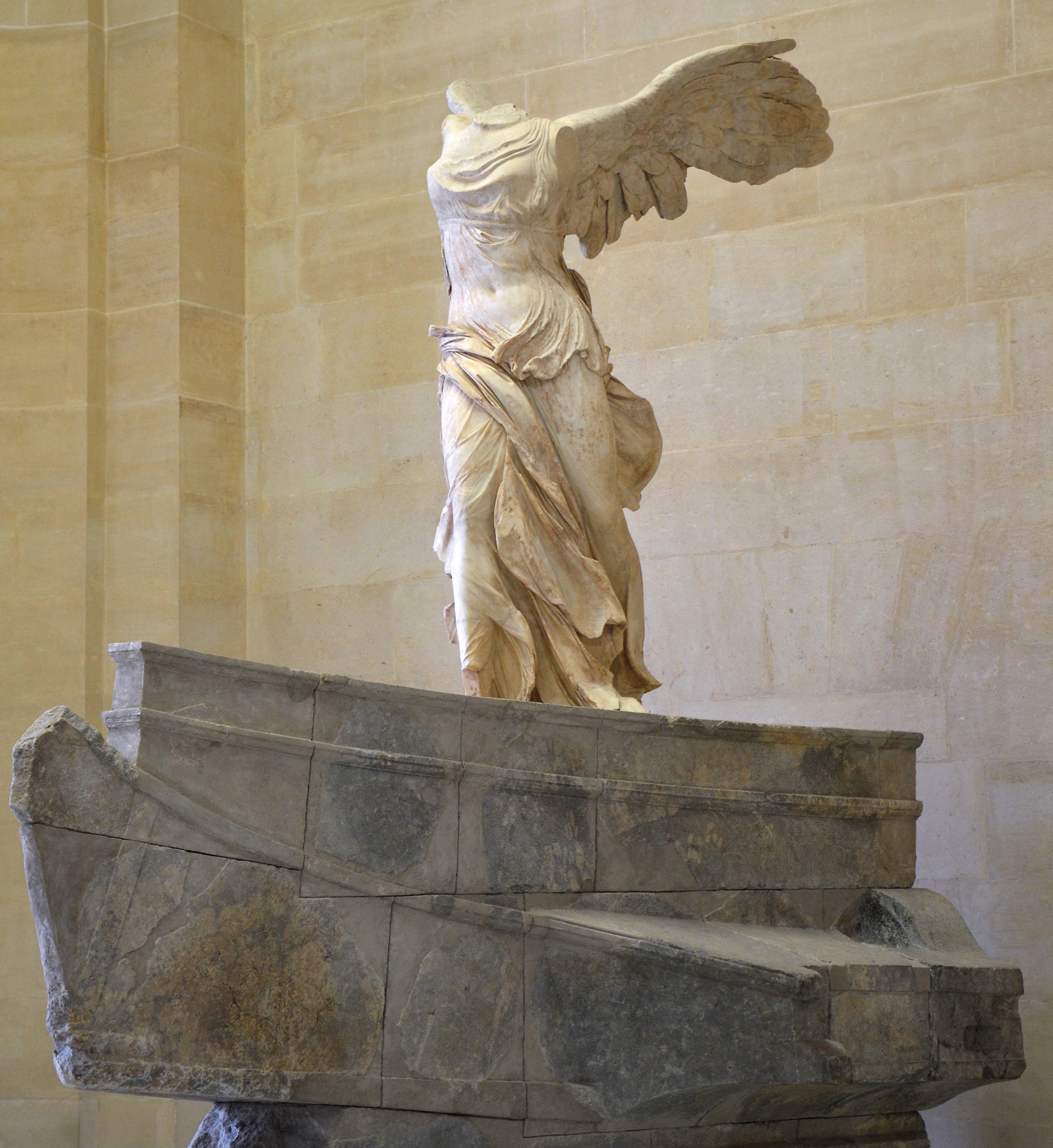
Short on time? See the Mona Lisa, Venus de Milo, and Winged Victory before the crowds arrive.

Explore Audio Guide →
The Impressionist Revolution 🏛️ #2 • Musée d'Orsay

The Impressionist Revolution

Witness the birth of modern art through the defining masterpieces of Monet, Renoir, and Van Gogh.

Explore Audio Guide →
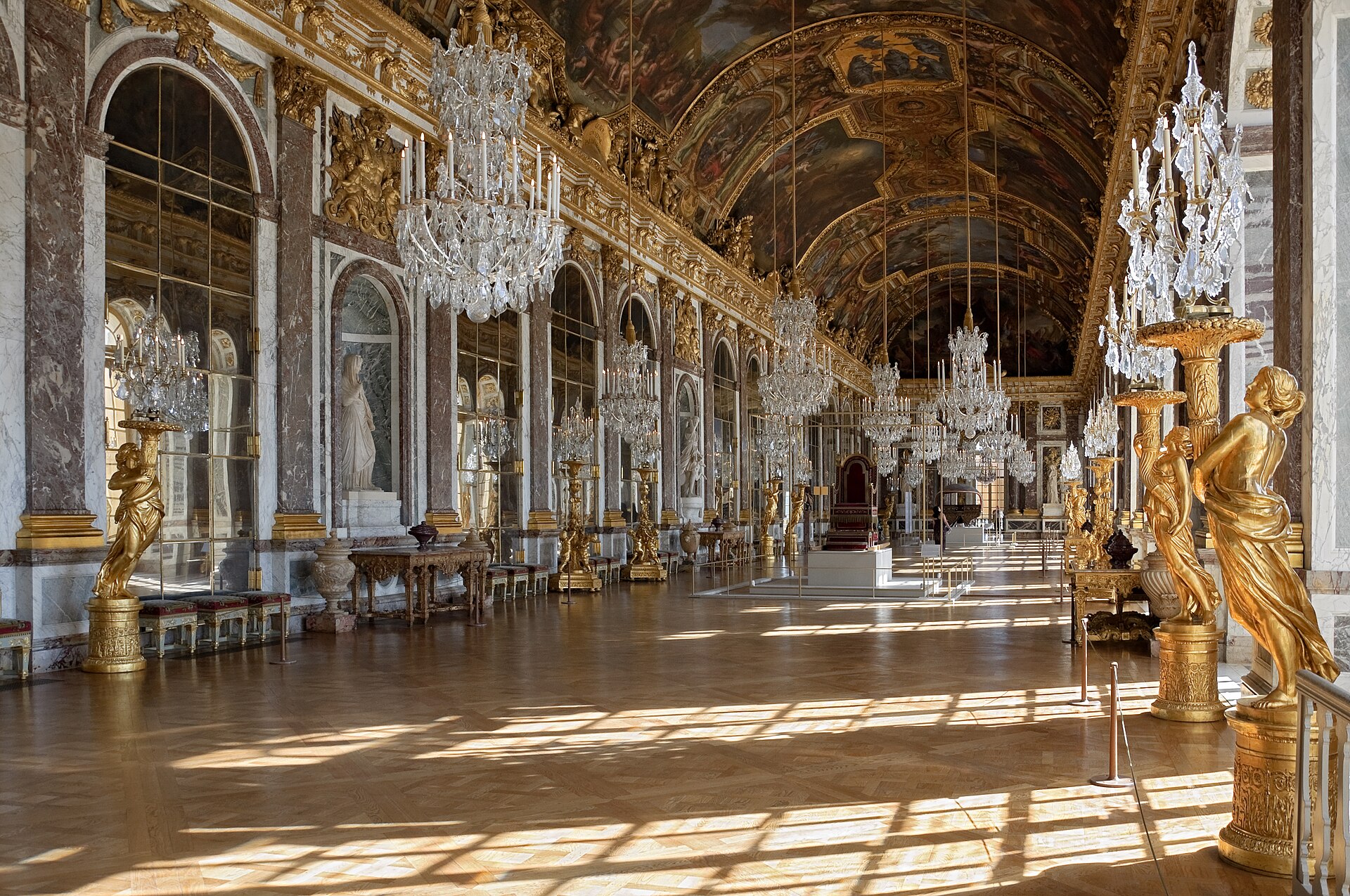
The Sun King's Court 🏛️ #3 • Palace of Versailles

The Sun King's Court

Walk the halls of absolute power, focusing on the ceremonial life of Louis XIV and the staggering wealth of the French monarchy.

Explore Audio Guide →
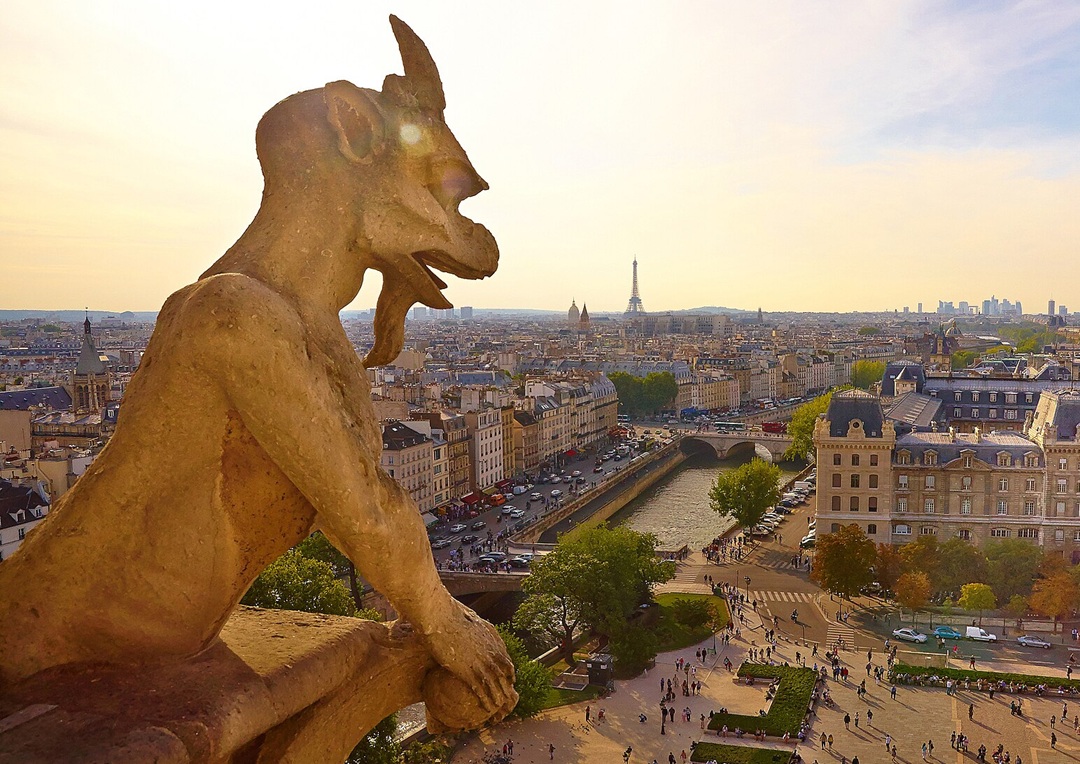
Notre-Dame: The Gothic Heart 🏛️ #4 • Île de la Cité & Notre-Dame

Notre-Dame: The Gothic Heart

Walk the perimeter and interior of the world's most famous cathedral, exploring its gothic engineering, its survival, and its 2024–2025 resurrection.

Explore Audio Guide →
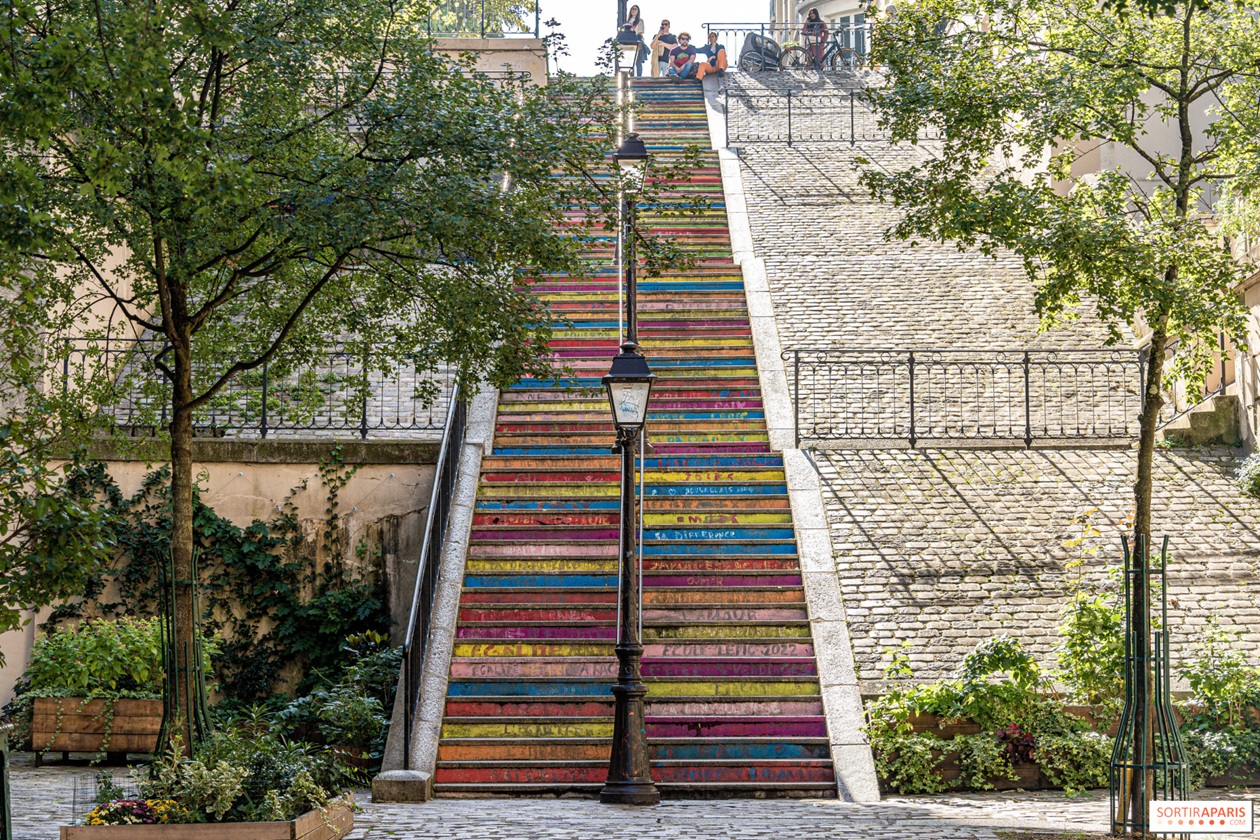
The Classic Climb 🏛️ #5 • Montmartre: The Bohemian Peak

The Classic Climb

Ascend to the Sacré-Cœur, winding through the bustling Place du Tertre and the iconic cobblestone streets of the hilltop village.

Explore Audio Guide →
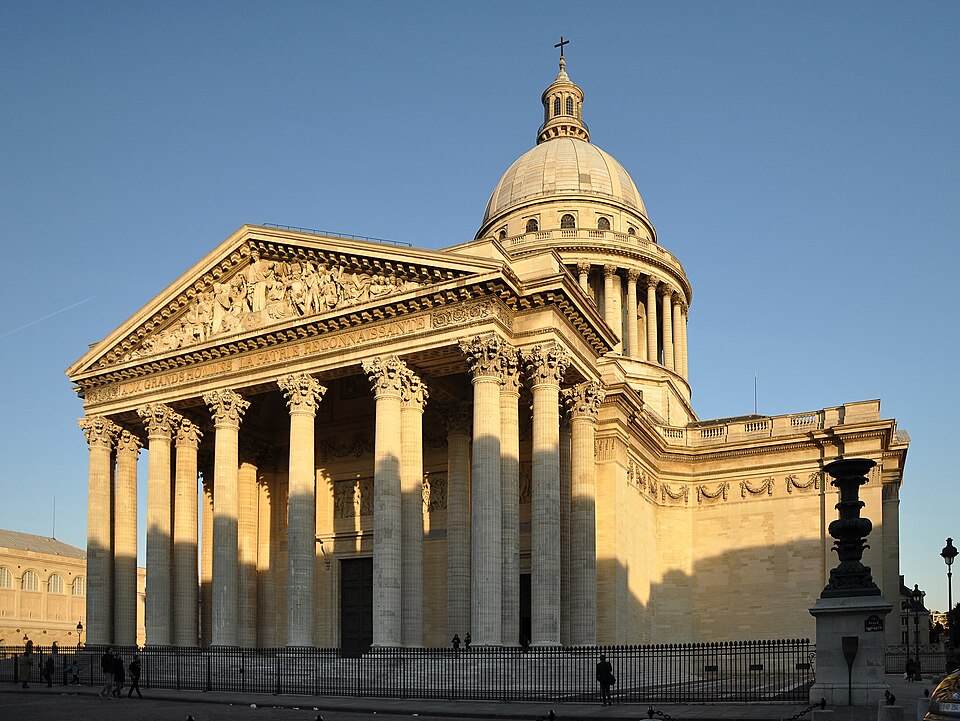
The Heart of the Left Bank 🏛️ #6 • The Latin Quarter & Saint-Germain

The Heart of the Left Bank

Walk the historic student quarter, exploring the monumental Panthéon, the Sorbonne University, and the lively Boulevard Saint-Michel.

Explore Audio Guide →
The Golden Age Mansions 🏛️ #7 • Le Marais: Aristocrats to Avant-Garde

The Golden Age Mansions

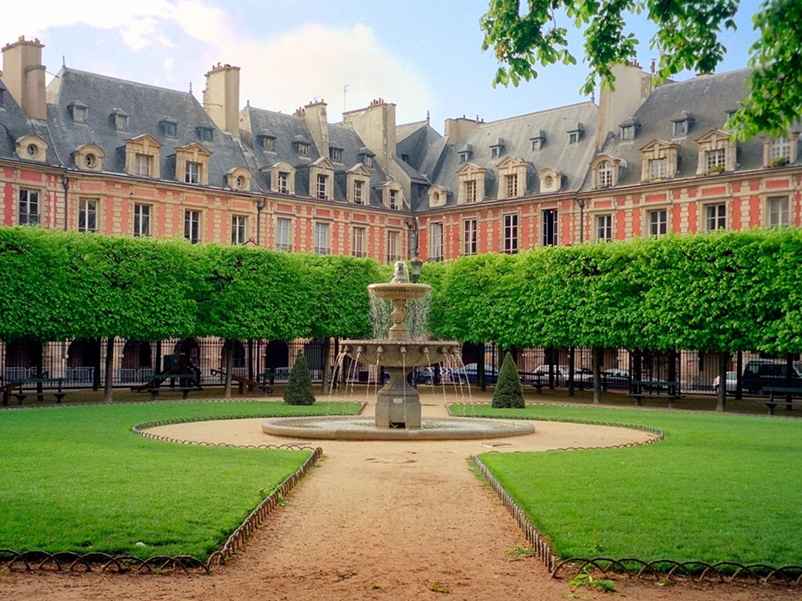
Discover the spectacular 17th-century Hôtels Particuliers (private palaces) and the breathtaking symmetry of the Place des Vosges.

Explore Audio Guide →
The Iron Lady & The Seine 🏛️ #8 • The Triumphal Way: Eiffel & The Grand Boulevards

The Iron Lady & The Seine

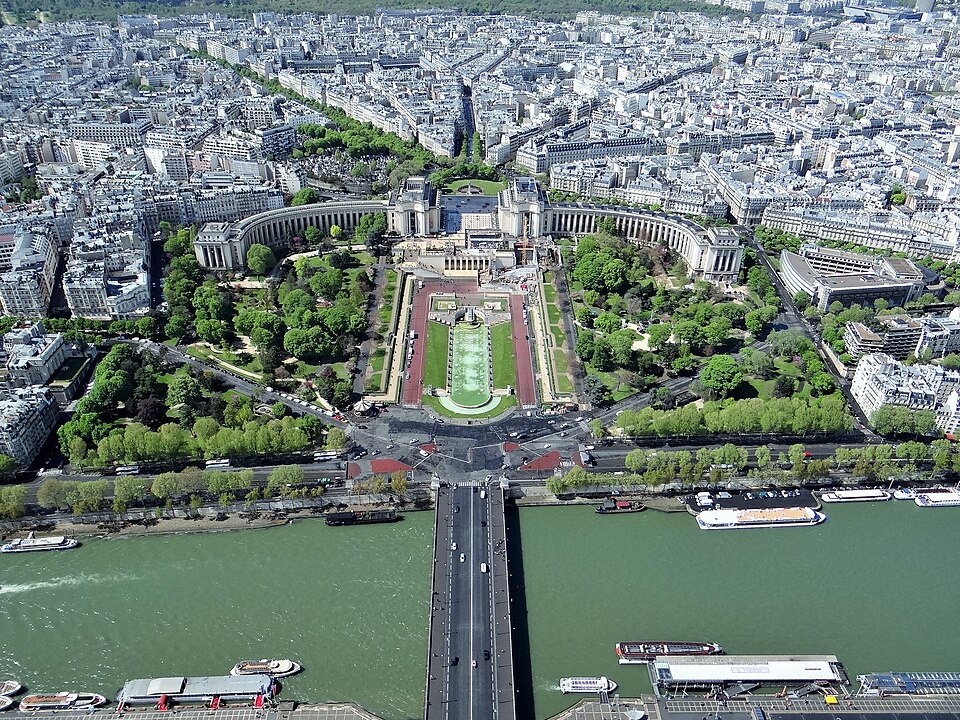
The ultimate photo route. Explore the Trocadéro, the architectural marvel of the Eiffel Tower, and the beautiful bridges of the Seine.

Explore Audio Guide →

Frequently Asked Questions

What happened during the Battle of Lutetia in 52 BC?

Julius Caesar's lieutenant, Titus Labienus, defeated the Parisii coalition led by Camulogenus. The Celts burned their bridges and town to prevent capture, but Roman military tactical superiority prevailed, establishing imperial control over the Seine valley.

Why did the Romans build Lutetia on the Left Bank instead of Île de la Cité?

The Left Bank slope of Montagne Sainte-Geneviève offered elevated, stable ground safe from seasonal Seine floods. It provided ample space for a monumental orthogonal grid city including a forum, bathhouses, and an amphitheater.

Which modern Paris streets follow the ancient Roman grid?

Rue Saint-Jacques directly follows the Roman cardo maximus, the primary north-south artery. Rue Cujas and Rue des Écoles largely reflect decumani, the east-west cross streets plotted by Roman land surveyors after 52 BC.

Where can visitors see surviving Roman ruins in Paris today?

Major surviving ruins include the towering frigidarium vault at the Cluny Museum, the restored Arènes de Lutèce amphitheater on Rue Monge, and the foundations displayed inside the Crypte Archéologique beneath the Notre-Dame forecourt.

⏳ Continue This Paris Historical Era

Paris Smart Guide
★★★★★ 4.8 • FREE APP • OFFLINE GPS
Hear Paris's Hidden Stories
Your Personal Audio Guide • 10 Languages
🎧 Download