









🏺 Ancient & Historical Paris Video Chronicles (Before 52 BC – 1789 AD)
⏳ #9 • 4th c. AD
🎬 Watch the 20-second video preview, then listen to the cliffhanger audio teaser ← Explore All App Features
🎬 20-Second AI Historical Reconstruction Preview
0:00 / 0:20
20s PREVIEW
🎧 Continue Listening — Audio Teaser

“When imperial frontiers cracked, Roman Paris devoured its own temples to build an impenetrable river fortress. What ancient secrets lie trapped inside the surviving stone ramparts beneath Notre-Dame? Uncover the subterranean relics of fourth-century survival and explore the full video reconstruction inside the free Paris Smart Guide app today.”

Unlock the full historical reconstruction video & complete story in the free Paris Smart Guide app.

Era III: Early Medieval Paris (300 – 1000 AD)

The Island Fortress: How Barbarian Raids Reshaped Paris

Faced with imperial collapse, Roman Lutetia abandoned its heights to fortify the river.

By the fourth century, the golden age of Pax Romana had unraveled across northern Gaul. Germanic incursions swept across the Rhine, forcing the inhabitants of Lutetia to make a desperate choice. Abandoning the breezy slopes of the Montagne Sainte-Geneviève, the populace retreated to the natural moat of the Île de la Cité, transforming an open city into a defiant river stronghold.

🎧 Continue Listening — Audio Teaser

“When imperial frontiers cracked, Roman Paris devoured its own temples to build an impenetrable river fortress. What ancient secrets lie trapped inside the surviving stone ramparts beneath Notre-Dame? Uncover the subterranean relics of fourth-century survival and explore the full video reconstruction inside the free Paris Smart Guide app today.”

Abandoning the Grand Left Bank

For three centuries, civilian life flourished on the southern hills, graced by a sprawling forum, lavish public baths, and a grand amphitheater. Yet as raiding bands fractured Roman authority, these sprawling suburbs became indefensible liabilities. Residents dismantled their villas and fled toward the river. The sprawling grids of the Left Bank emptied rapidly, leaving classical monuments to crumble into pastureland. The Seine, once a commercial highway for the guild of river boatmen, suddenly became the primary defensive ditch protecting a traumatized population huddled upon the central island.
Cannibalizing Monuments for Medieval Ramparts

Survival demanded ruthless pragmatism. To construct the massive castrum wall encircling the Île de la Cité, Roman engineers systematically plundered their own monumental heritage: - Bas-reliefs from temple friezes and limestone tiers from the Arènes de Lutèce were hauled to the riverbank as foundation blocks. - Fluted columns and votive altars were tipped into mortar trenches to form defensive bastions. Over two kilometers of thick masonry arose around the perimeter, turning the cradled island into an austere military garrison, forever sealing the urban core inside a ring of stone.

Subterranean Secrets Beneath Notre-Dame

Today, beneath the cathedral square, the Crypte Archéologique preserves direct physical proof of this fourth-century metamorphosis. Visitors can stand before the imposing base of the late Roman rampart, built almost entirely from recycled architectural fragments. Classical inscriptions and sculpted pediments lie wedged upside down in the masonry, silent witnesses to the moment civic elegance was sacrificed for sheer physical preservation. This subterranean wall fixed the administrative heart of Paris permanently on the island, anchoring political power in place for the next two millennia.

The Birth of a Resilient River Citadel

This dramatic contraction fundamentally forged the identity of Paris. It was during this turbulent century that imperial decrees ceased referring to the settlement as Lutetia, instead christening it Civitas Parisiorum—the city of the Parisii. From this compact citadel, future military leaders like Julian the Apostate would govern Gaul and eventually claim the imperial purple. While classical grandeur faded, a resilient medieval fortress was born, establishing the river island as the indestructible nucleus around which the French kingdom would eventually rise.

🔒 FULL HISTORICAL NARRATION & VIDEO

Continue Watching & Reading in the App

Scan the QR code on the Floating App Card at the bottom-right of your screen to watch the full AI Paris reconstruction video and read the complete story for free.

Download the free Paris Smart Guide app on iOS or Android to watch the full AI historical video and read the complete story.

📲 Get the Free App Now
🎧 STEP INSIDE THE MONUMENTS

Explore Our 8 Flagship Interactive Paris Audio Tours

Go beyond the historical chronicles—walk Paris's greatest museums and historic neighborhoods with offline GPS & interactive AI audio guides.

The 1-Hour Masterpiece Dash 🏛️ #1 • The Louvre Museum

The 1-Hour Masterpiece Dash

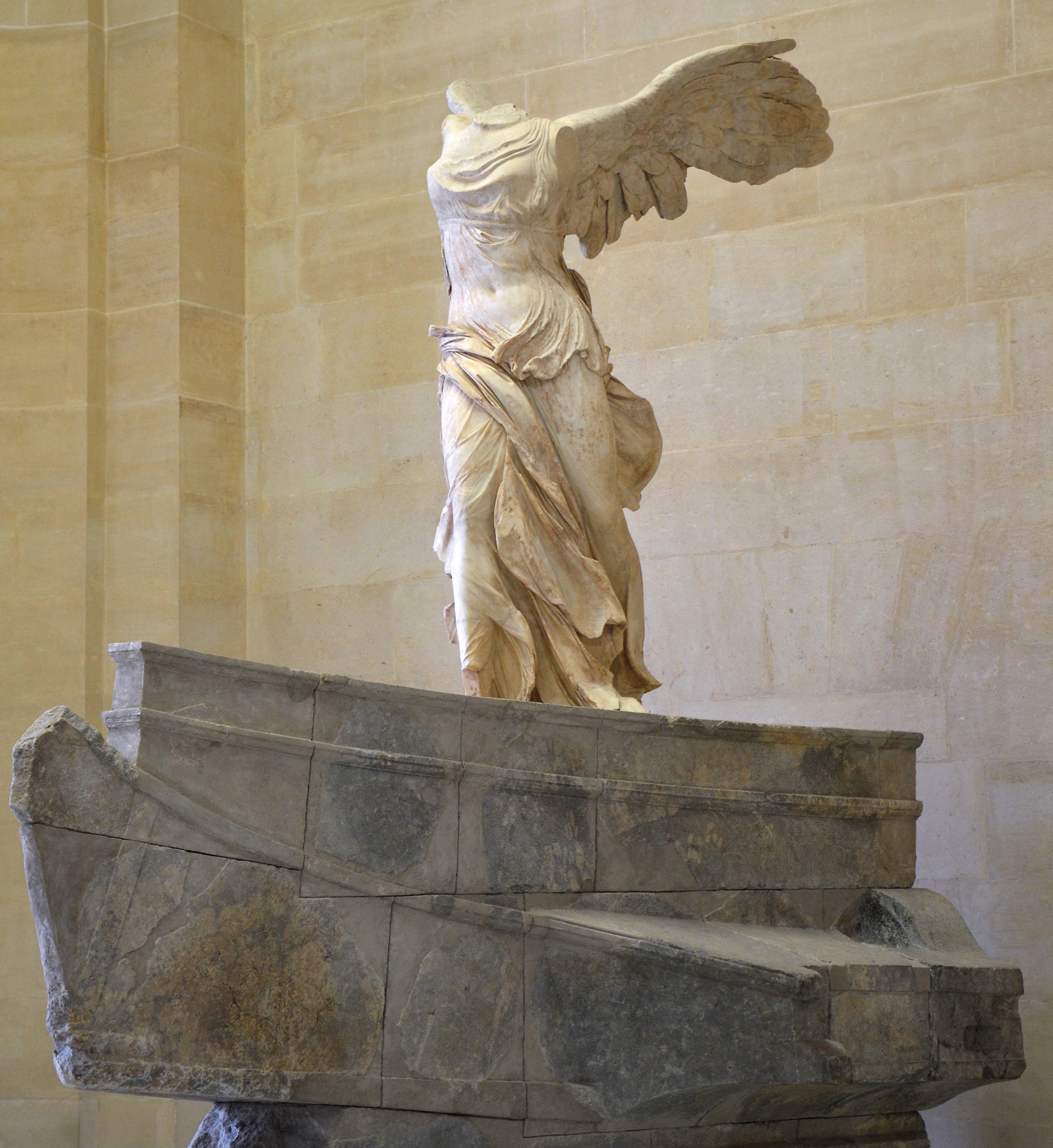
Short on time? See the Mona Lisa, Venus de Milo, and Winged Victory before the crowds arrive.

Explore Audio Guide →
The Impressionist Revolution 🏛️ #2 • Musée d'Orsay

The Impressionist Revolution

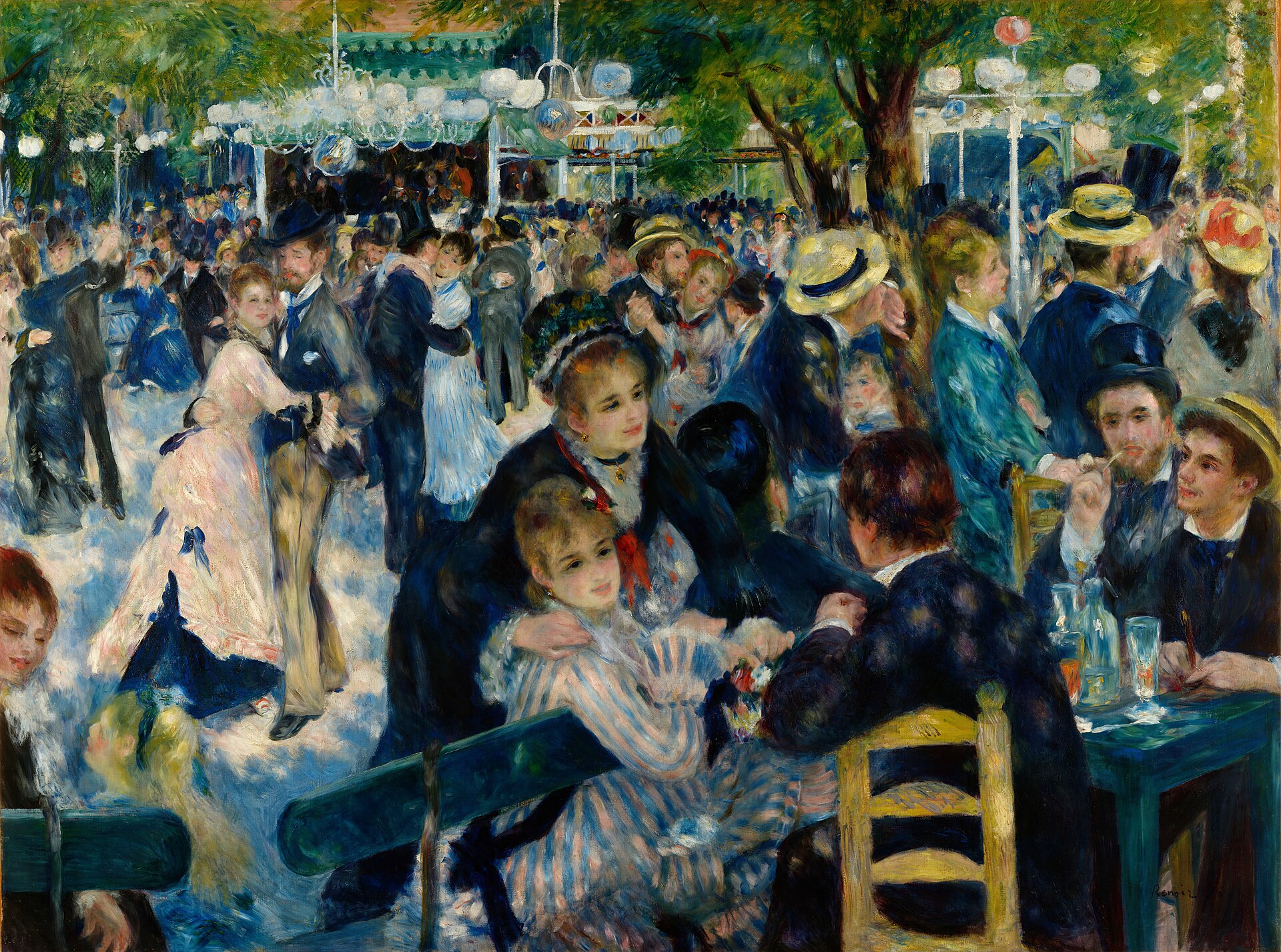
Witness the birth of modern art through the defining masterpieces of Monet, Renoir, and Van Gogh.

Explore Audio Guide →
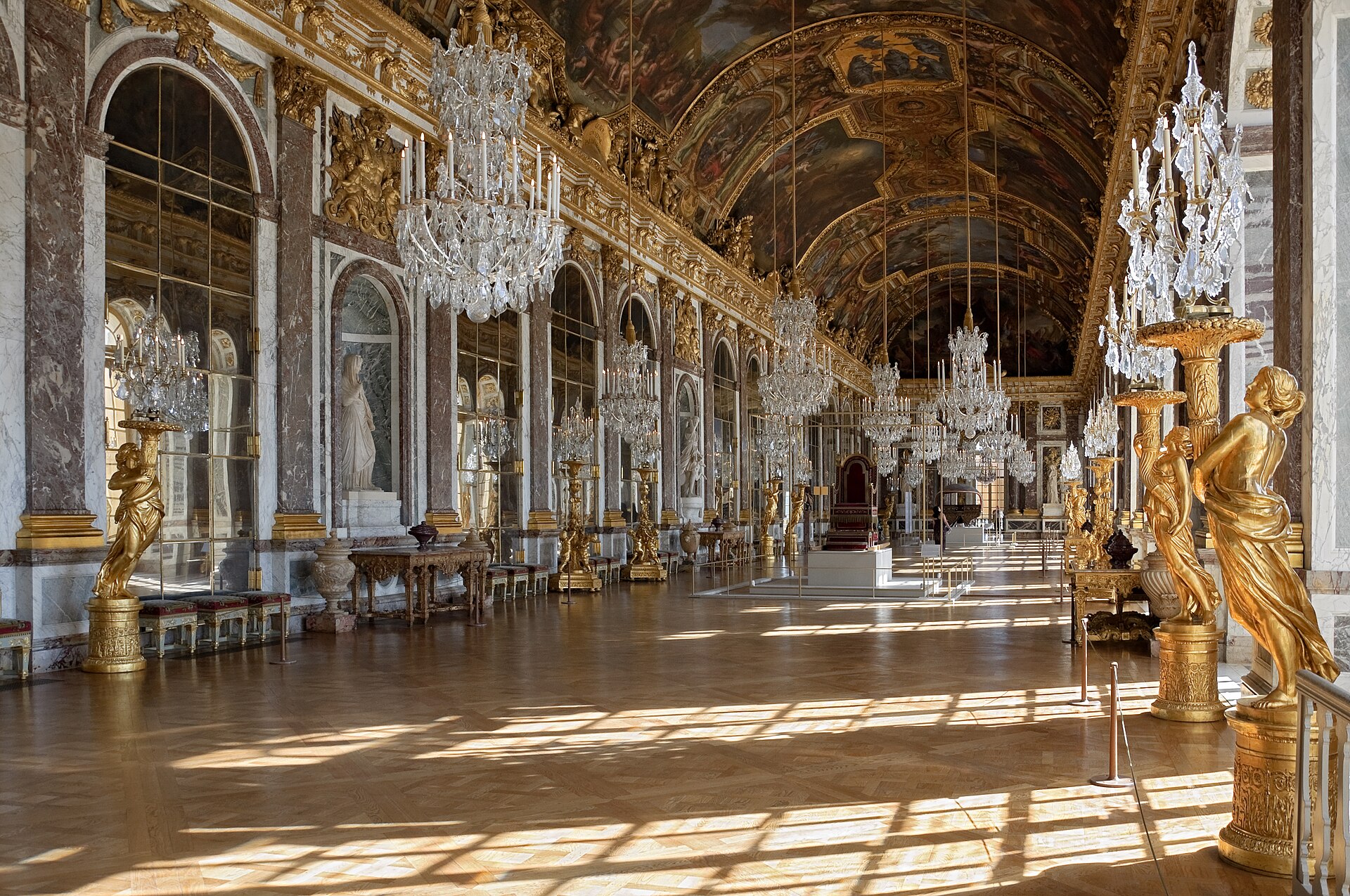
The Sun King's Court 🏛️ #3 • Palace of Versailles

The Sun King's Court

Walk the halls of absolute power, focusing on the ceremonial life of Louis XIV and the staggering wealth of the French monarchy.

Explore Audio Guide →
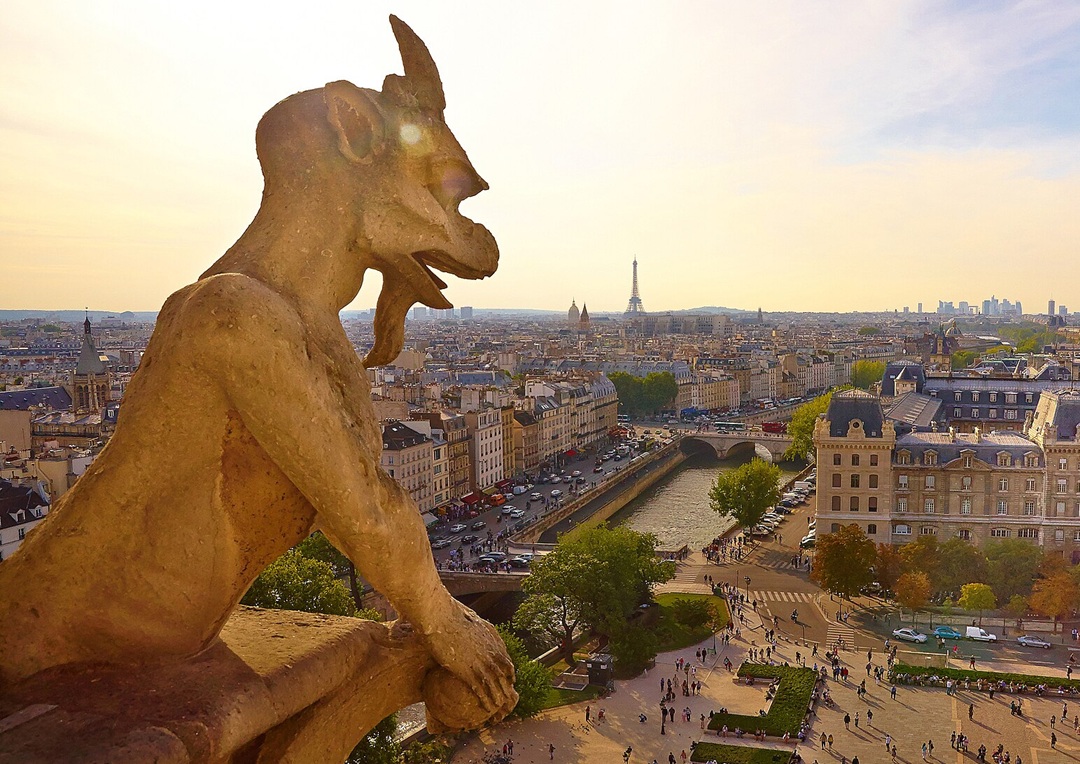
Notre-Dame: The Gothic Heart 🏛️ #4 • Île de la Cité & Notre-Dame

Notre-Dame: The Gothic Heart

Walk the perimeter and interior of the world's most famous cathedral, exploring its gothic engineering, its survival, and its 2024–2025 resurrection.

Explore Audio Guide →
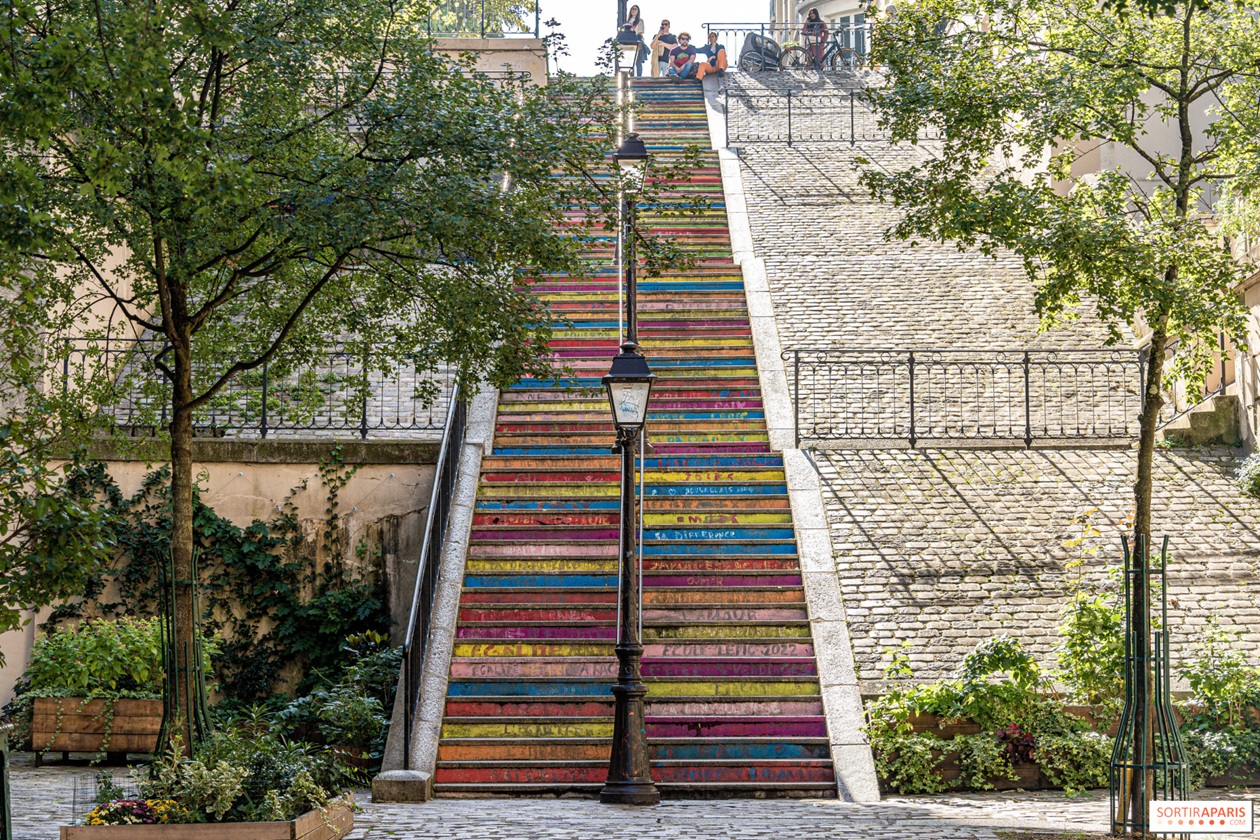
The Classic Climb 🏛️ #5 • Montmartre: The Bohemian Peak

The Classic Climb

Ascend to the Sacré-Cœur, winding through the bustling Place du Tertre and the iconic cobblestone streets of the hilltop village.

Explore Audio Guide →
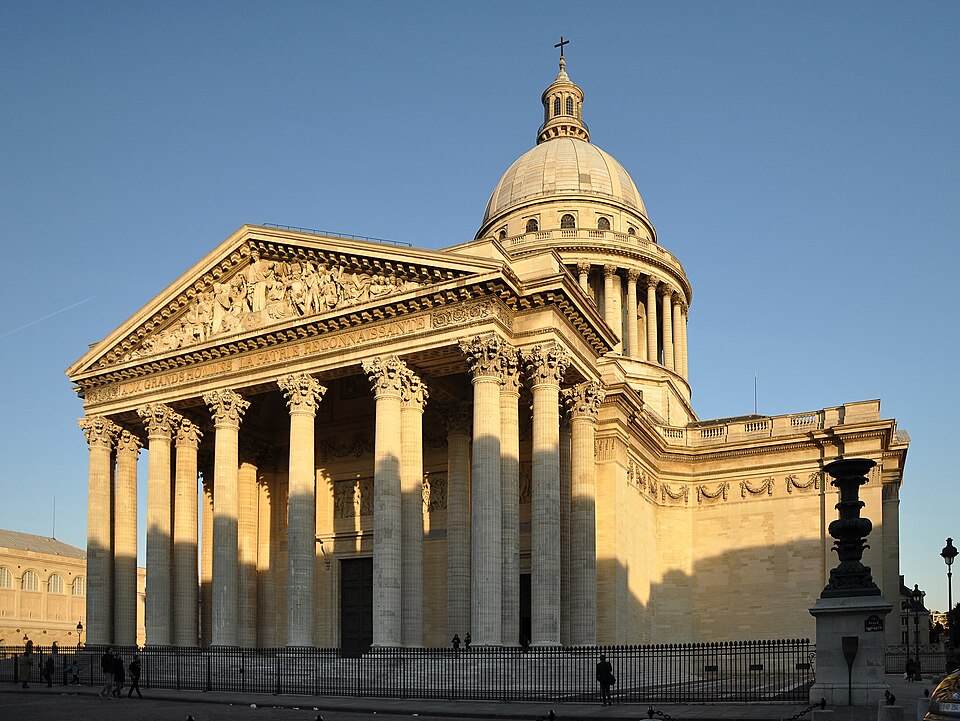
The Heart of the Left Bank 🏛️ #6 • The Latin Quarter & Saint-Germain

The Heart of the Left Bank

Walk the historic student quarter, exploring the monumental Panthéon, the Sorbonne University, and the lively Boulevard Saint-Michel.

Explore Audio Guide →
The Golden Age Mansions 🏛️ #7 • Le Marais: Aristocrats to Avant-Garde

The Golden Age Mansions

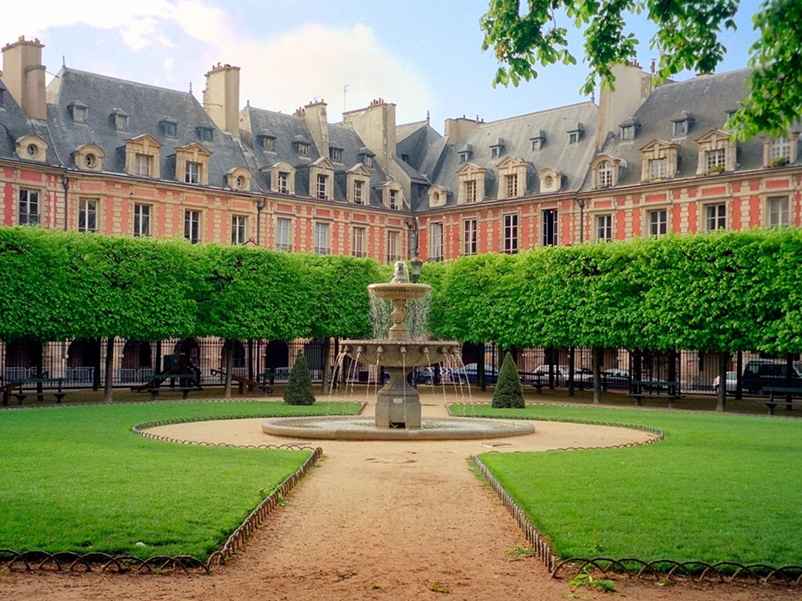
Discover the spectacular 17th-century Hôtels Particuliers (private palaces) and the breathtaking symmetry of the Place des Vosges.

Explore Audio Guide →
The Iron Lady & The Seine 🏛️ #8 • The Triumphal Way: Eiffel & The Grand Boulevards

The Iron Lady & The Seine

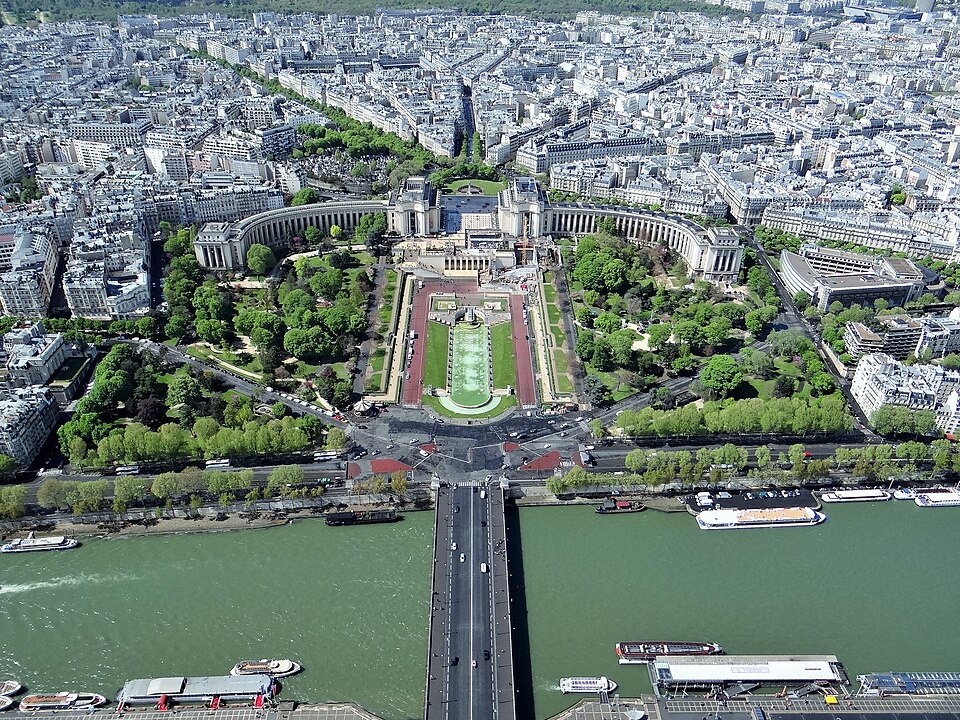
The ultimate photo route. Explore the Trocadéro, the architectural marvel of the Eiffel Tower, and the beautiful bridges of the Seine.

Explore Audio Guide →

Frequently Asked Questions

Why did the Romans abandon the Left Bank in the 4th century?

Frequent Germanic incursions and political instability across northern Gaul made the sprawling, unfortified southern slopes too difficult to defend. The population relocated to the naturally fortified Île de la Cité for safety behind water barriers.

Where can visitors see the 4th-century late Roman wall in Paris today?

The best-preserved remains of this late Roman rampart are visible beneath the Parvis of Notre-Dame inside the Crypte Archéologique de l'Île de la Cité, showing recycled stones from dismantled classical monuments.

What happened to the Arènes de Lutèce during this period?

The amphitheater fell into disuse as public games ceased. Its heavy limestone seating tiers and structural blocks were systematically quarried and transported to the Île de la Cité to erect the new defensive wall.

When did Lutetia officially change its name to Paris?

Around the fourth century AD, imperial Roman administration began designating towns by their local tribes rather than classical names. Lutetia thus became known as Civitas Parisiorum, which gradually evolved into the modern name Paris.

⏳ Continue This Paris Historical Era

Paris Smart Guide
★★★★★ 4.8 • FREE APP • OFFLINE GPS
Hear Paris's Hidden Stories
Your Personal Audio Guide • 10 Languages
🎧 Download