








🏺 Ancient & Historical Paris Video Chronicles (Before 52 BC – 1789 AD)
⏳ #15 • 1200 AD
🎬 Watch the 20-second video preview, then listen to the cliffhanger audio teaser ← Explore All App Features
🎬 20-Second AI Historical Reconstruction Preview
0:00 / 0:20
20s PREVIEW
🎧 Continue Listening — Audio Teaser

“Across the Seine, twelfth-century scholars ignited an intellectual explosion that transformed Paris into the capital of philosophy. Discover the hidden medieval lecture alleys, chaotic student revolts, and ancient colleges that still survive today. Unlock the full video reconstruction and reveal the complete chronicle in the free Paris Smart Guide app now.”

Unlock the full historical reconstruction video & complete story in the free Paris Smart Guide app.

Era IV: High Medieval Paris (1000 – 1300 AD)

The City of Minds: Birth of the Latin Quarter

Scholars, scribes, and radical thinkers transform the medieval Left Bank into Europe's intellectual capital.

By the year 1200, the southern bank of the Seine echoed with passionate debate in fluent Latin. Across the wooden spans of the Petit-Pont, master theologians and fiery youths abandoned cathedral cloisters to establish the University of Paris, forging an autonomous haven of scholarship that forever branded Paris as the world's radiant City of Light.

🎧 Continue Listening — Audio Teaser

“Across the Seine, twelfth-century scholars ignited an intellectual explosion that transformed Paris into the capital of philosophy. Discover the hidden medieval lecture alleys, chaotic student revolts, and ancient colleges that still survive today. Unlock the full video reconstruction and reveal the complete chronicle in the free Paris Smart Guide app now.”

The Exodus Across the Petit-Pont

For centuries, European education remained under the strict gaze of the bishop at Notre-Dame on the Île de la Cité. But around 1200, rebellious masters like Peter Abelard defied ecclesiastical oversight, leading pupils southward across the Seine toward the slopes of Montagne Sainte-Geneviève. They leased timber-framed garrets along the bustling Rue Saint-Jacques, creating a vibrant collegiate community. Here, thousands of international youths gathered, bound by the universal tongue of scholarship. Because spoken Latin filled the local taverns and streets, the neighborhood soon earned its enduring title: the Latin Quarter.
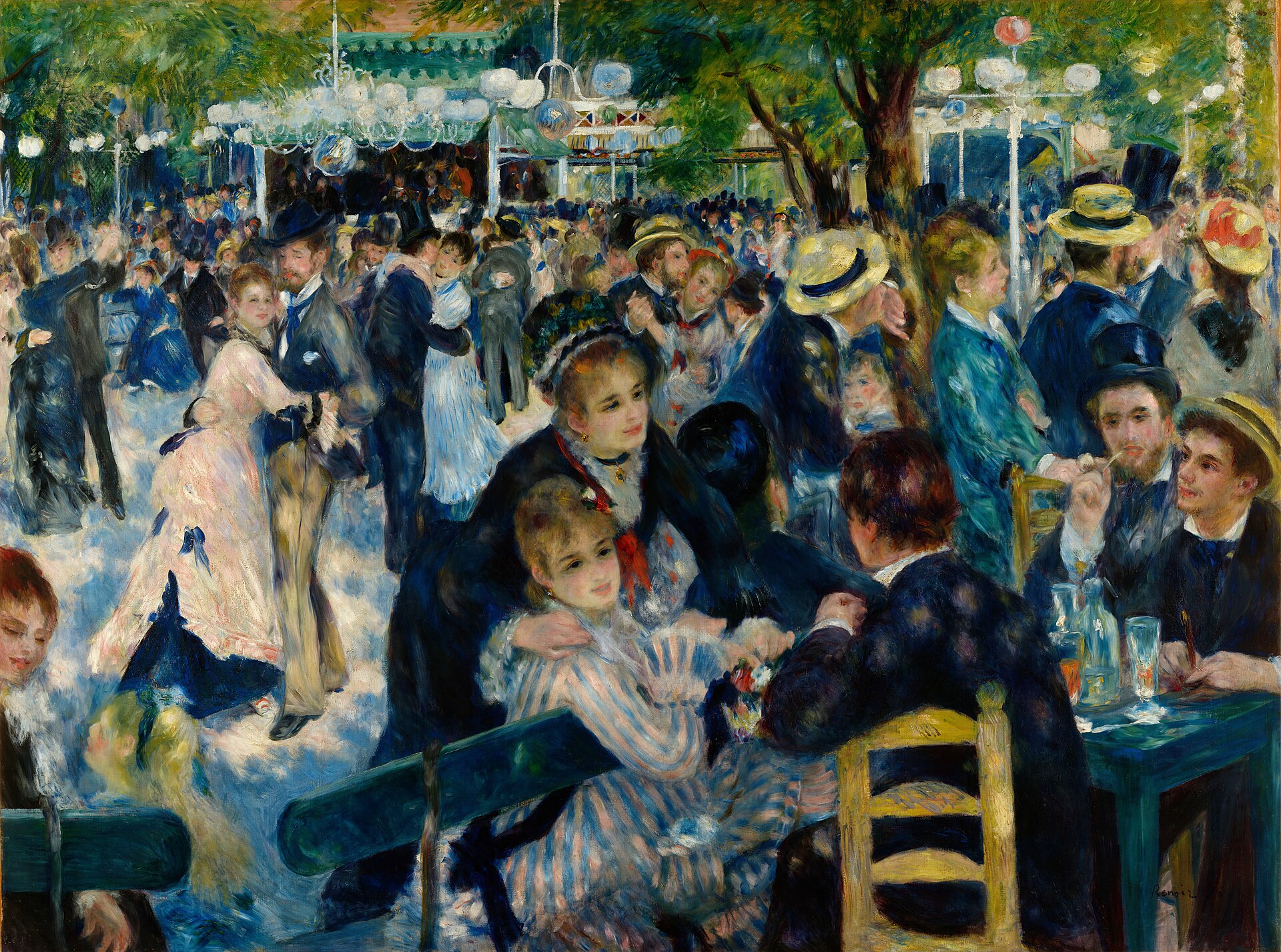
An Intellectual Boomtown and the Book Trade

This rapid academic influx ignited an unprecedented commercial ecosystem along the Left Bank. While merchants on the Right Bank traded grain and textiles, the scholars traded radical ideas and precious texts. A booming artisan network developed overnight: - Stationers and copyists organized the pecia system to mass-produce academic manuscripts for rent. - Parchment makers soaked animal hides near the Bièvre river, supplying reams to eager scribes. In 1200, King Philip Augustus granted scholars royal protection and legal autonomy, liberating students from abusive provosts and sealing Paris's status as the intellectual beacon of medieval Christendom.

Brawls, Colleges, and the Legend of the Sorbonne

Life in the medieval Latin Quarter was raw, chaotic, and frequently turbulent. Unsupervised teenagers lived in crowded hostels where drunken brawls over philosophical interpretations frequently erupted into riots. To bring moral order, wealthy benefactors founded self-governing residential colleges. In 1257, royal chaplain Robert de Sorbon founded a modest hospice for impoverished theology students on the hillside. That foundation evolved into the world-renowned Sorbonne, establishing a permanent collegiate model that replaced ad-hoc street lectures with organized libraries and structured disputation halls.

Walking the Footsteps of Medieval Scholasticism

Modern visitors can still trace this scholarly topography across the 5th Arrondissement. The cobblestones of Rue du Fouarre recall the era when students sat directly on bundles of straw to hear masters lecture in open doorways. At the summit of the hill, the ancient abbey church of Saint-Étienne-du-Mont preserves the resting place of Saint Geneviève, where Abelard once captivated crowds. Centuries later, the intellectual DNA forged in 1200 remains deeply etched into Parisian pavements, bookstores, and prestigious amphitheaters.

🔒 FULL HISTORICAL NARRATION & VIDEO

Continue Watching & Reading in the App

Scan the QR code on the Floating App Card at the bottom-right of your screen to watch the full AI Paris reconstruction video and read the complete story for free.

Download the free Paris Smart Guide app on iOS or Android to watch the full AI historical video and read the complete story.

📲 Get the Free App Now
🎧 STEP INSIDE THE MONUMENTS

Explore Our 8 Flagship Interactive Paris Audio Tours

Go beyond the historical chronicles—walk Paris's greatest museums and historic neighborhoods with offline GPS & interactive AI audio guides.

The 1-Hour Masterpiece Dash 🏛️ #1 • The Louvre Museum

The 1-Hour Masterpiece Dash

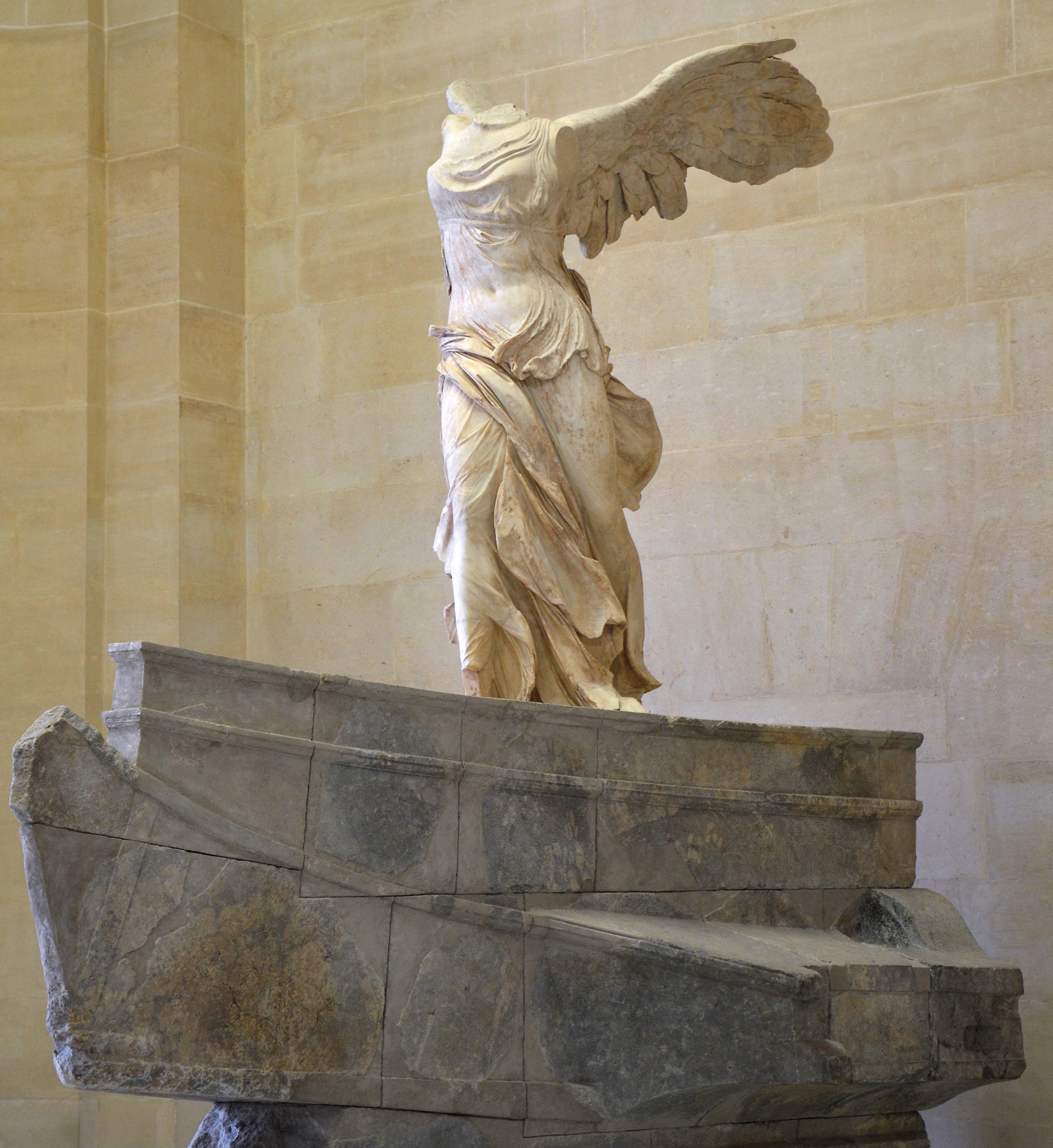
Short on time? See the Mona Lisa, Venus de Milo, and Winged Victory before the crowds arrive.

Explore Audio Guide →
The Impressionist Revolution 🏛️ #2 • Musée d'Orsay

The Impressionist Revolution

Witness the birth of modern art through the defining masterpieces of Monet, Renoir, and Van Gogh.

Explore Audio Guide →
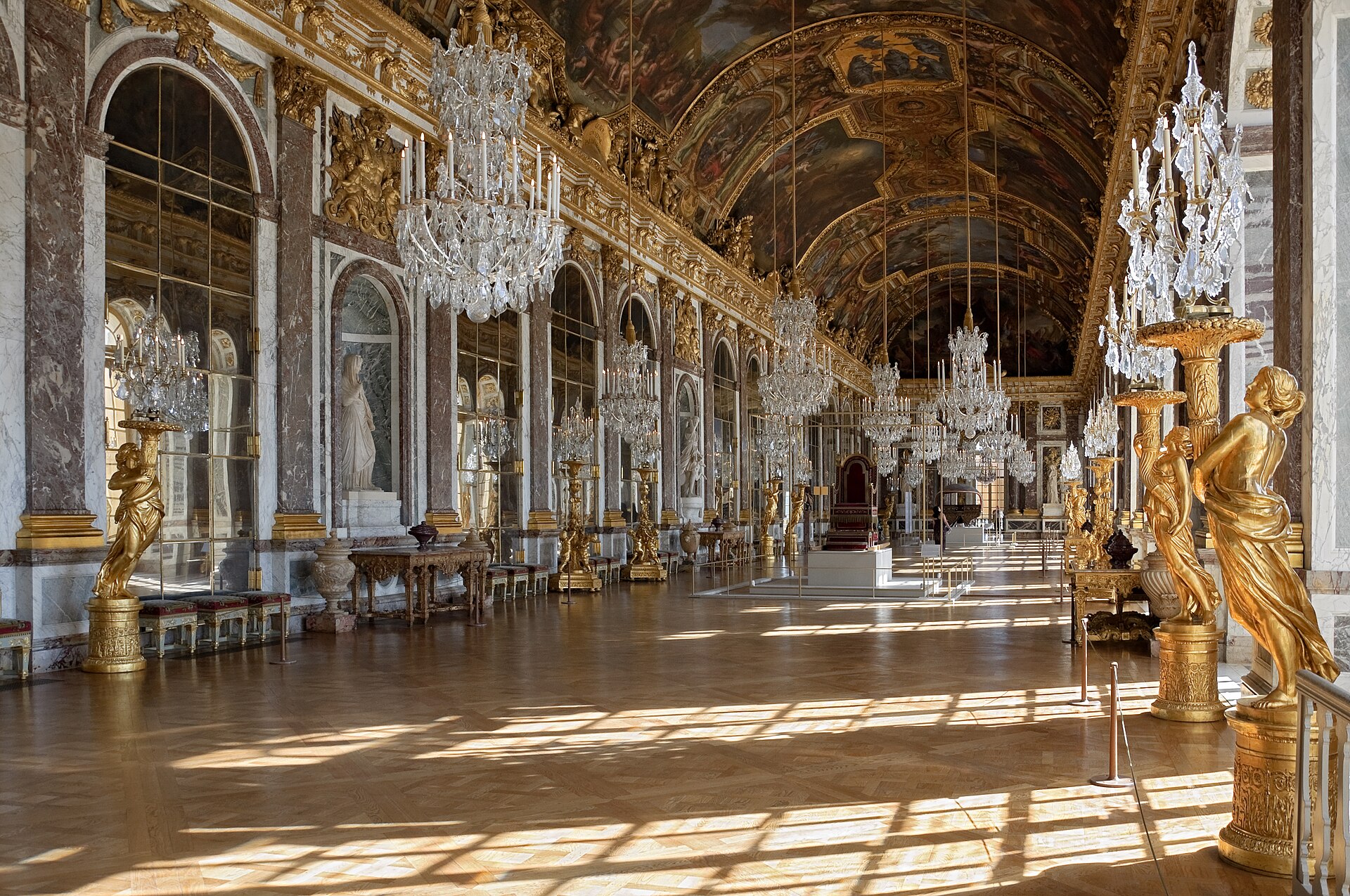
The Sun King's Court 🏛️ #3 • Palace of Versailles

The Sun King's Court

Walk the halls of absolute power, focusing on the ceremonial life of Louis XIV and the staggering wealth of the French monarchy.

Explore Audio Guide →
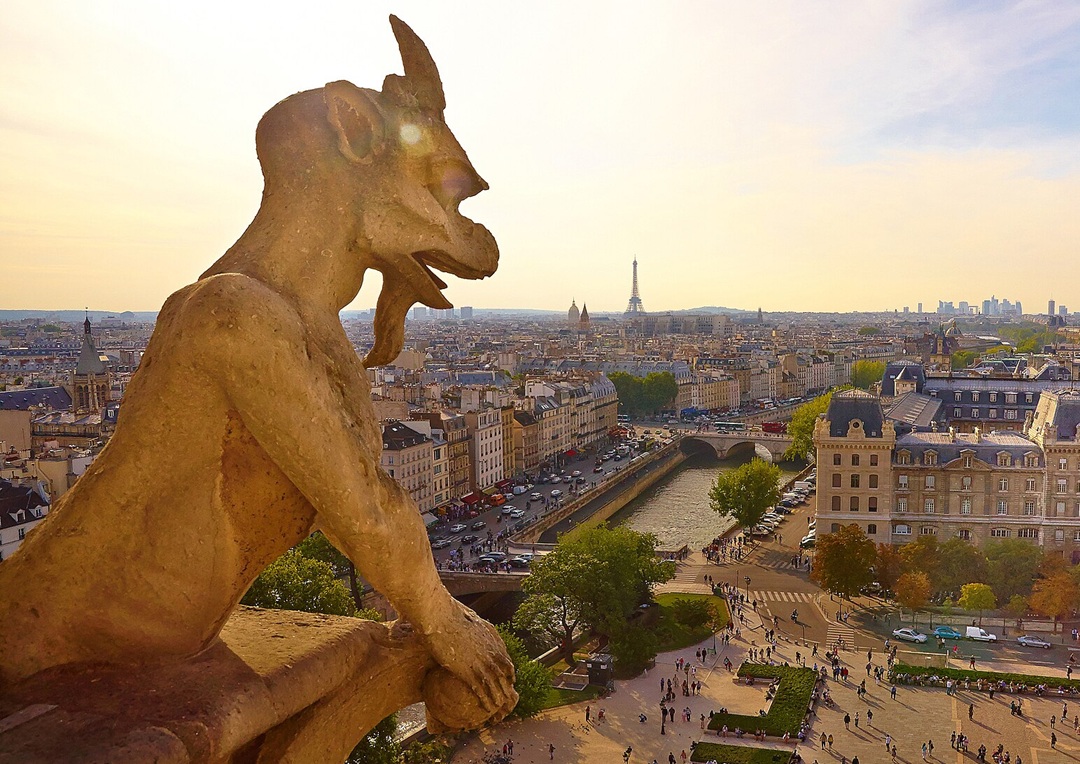
Notre-Dame: The Gothic Heart 🏛️ #4 • Île de la Cité & Notre-Dame

Notre-Dame: The Gothic Heart

Walk the perimeter and interior of the world's most famous cathedral, exploring its gothic engineering, its survival, and its 2024–2025 resurrection.

Explore Audio Guide →
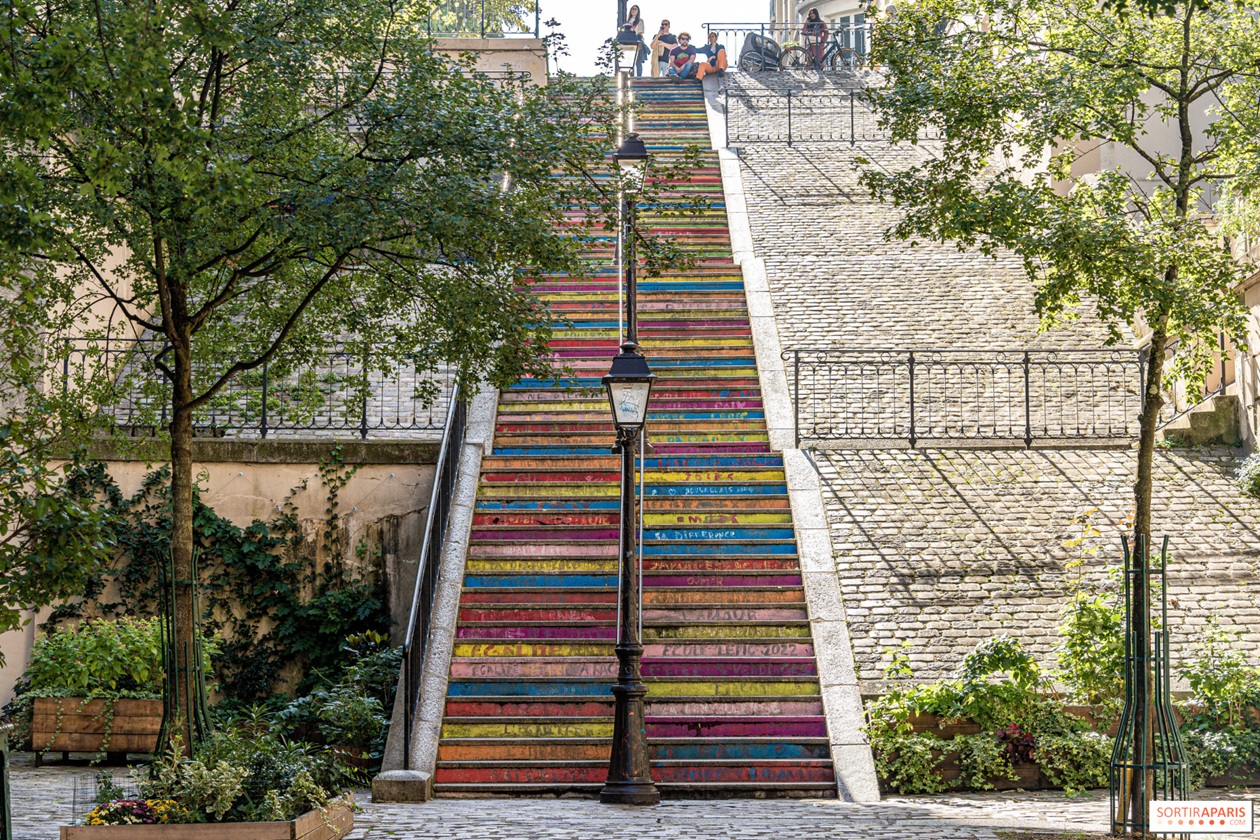
The Classic Climb 🏛️ #5 • Montmartre: The Bohemian Peak

The Classic Climb

Ascend to the Sacré-Cœur, winding through the bustling Place du Tertre and the iconic cobblestone streets of the hilltop village.

Explore Audio Guide →
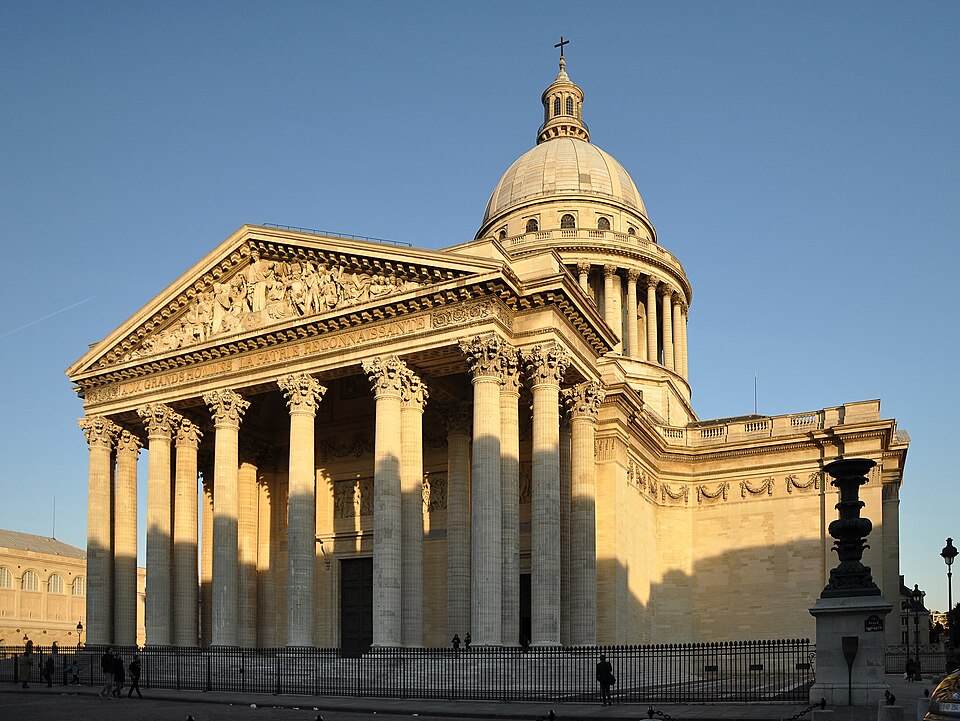
The Heart of the Left Bank 🏛️ #6 • The Latin Quarter & Saint-Germain

The Heart of the Left Bank

Walk the historic student quarter, exploring the monumental Panthéon, the Sorbonne University, and the lively Boulevard Saint-Michel.

Explore Audio Guide →
The Golden Age Mansions 🏛️ #7 • Le Marais: Aristocrats to Avant-Garde

The Golden Age Mansions

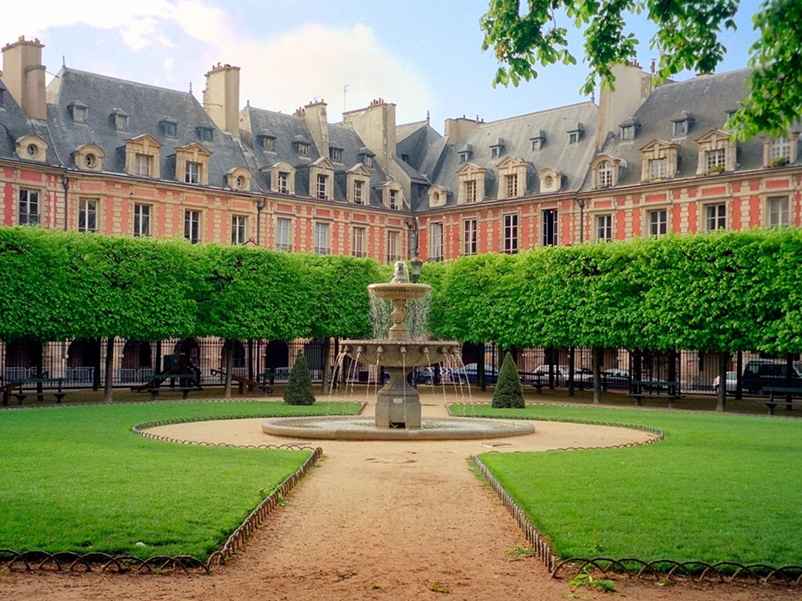
Discover the spectacular 17th-century Hôtels Particuliers (private palaces) and the breathtaking symmetry of the Place des Vosges.

Explore Audio Guide →
The Iron Lady & The Seine 🏛️ #8 • The Triumphal Way: Eiffel & The Grand Boulevards

The Iron Lady & The Seine

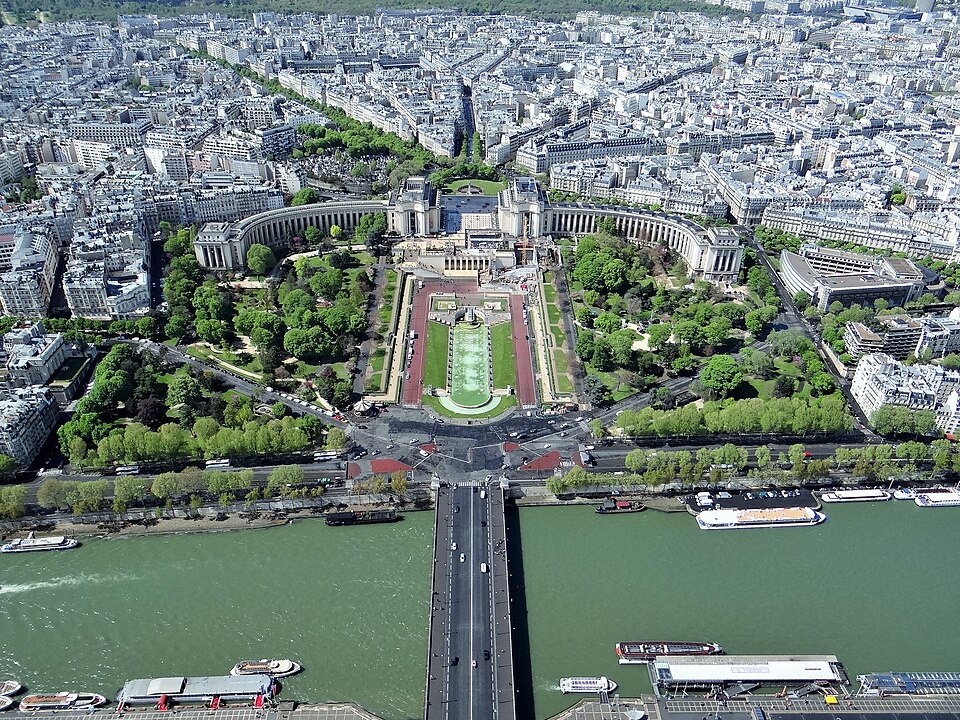
The ultimate photo route. Explore the Trocadéro, the architectural marvel of the Eiffel Tower, and the beautiful bridges of the Seine.

Explore Audio Guide →

Frequently Asked Questions

Why is the area called the Latin Quarter?

It earned the name because medieval university students and professors arrived from across Europe and used Latin as their sole common language for academic lectures, street debates, and daily tavern life.

What privileges did King Philip Augustus grant students in 1200?

After a deadly student brawl, Philip Augustus issued a royal charter granting scholars ecclesiastical immunity, meaning secular town bailiffs could not arrest students; they answered only to church and university courts.

What was the significance of Rue du Fouarre?

The street name translates to Straw Street because medieval students sat on bundles of straw spread over the ground to stay warm while listening to philosophy masters lecture from open-air windows.

Can you still see 13th-century university sites in Paris today?

Yes. While the Sorbonne was rebuilt in later centuries, the Gothic church of Saint-Séverin, ancient street courses like Rue Saint-Jacques, and medieval remnants around Montagne Sainte-Geneviève directly reflect the original scholarly footprint.

⏳ Continue This Paris Historical Era

Paris Smart Guide
★★★★★ 4.8 • FREE APP • OFFLINE GPS
Hear Paris's Hidden Stories
Your Personal Audio Guide • 10 Languages
🎧 Download