









🏺 Ancient & Historical Paris Video Chronicles (Before 52 BC – 1789 AD)
⏳ #12 • 9th–10th c. AD
🎬 Watch the 20-second video preview, then listen to the cliffhanger audio teaser ← Explore All App Features
🎬 20-Second AI Historical Reconstruction Preview
0:00 / 0:20
20s PREVIEW
🎧 Continue Listening — Audio Teaser

“Beneath the shadow of Notre-Dame lies a forgotten Paris of thatched huts and muddy lanes, where islanders bartered river fish for grain behind fortified Roman walls. How did this humble village survive to birth a majestic capital? Download the free Paris Smart Guide app to watch the full chronicle now.”

Unlock the full historical reconstruction video & complete story in the free Paris Smart Guide app.

Era III: Early Medieval Paris (300 – 1000 AD)

Village Life in the Walled City: Paris in the 9th and 10th Centuries

Behind fortified island walls, an imperial capital transformed into an intimate riverside village.

Following relentless Viking sieges, ninth-century Paris retreated entirely behind the stone ramparts of the Île de la Cité. Stripped of Roman grandeur, the once-sprawling capital reinvented itself as an intimate riverine hamlet. Within this sheltered perimeter, muddy lanes replaced paved cardos, and communal resilience forged the foundational spirit of everyday Parisian neighborhood culture.

🎧 Continue Listening — Audio Teaser

“Beneath the shadow of Notre-Dame lies a forgotten Paris of thatched huts and muddy lanes, where islanders bartered river fish for grain behind fortified Roman walls. How did this humble village survive to birth a majestic capital? Download the free Paris Smart Guide app to watch the full chronicle now.”

The Rural Heart of an Island Fortress

By the late Carolingian era, urban life shrank to the island sanctuary. Abandoned Roman monuments on the Left Bank served as quarries, while the Île de la Cité blossomed with thatched timber dwellings, vegetable plots, and livestock enclosures. Parisian life functioned through a vigorous barter economy where silver deniers were scarce; river fishermen exchanged Seine eels for country spelt, and cobblers traded shoes for sheep wool. Small wooden bridges connected insular enclaves, creating a quiet village rhythm governed by seasonal floods and communal interdependence.
Parish Bells and Hearthside Gatherings

The social fabric crystallized around early parish chapels that dotted the island's winding alleys. These modest sanctuaries—often rustic wooden structures like Saint-Germain-le-Vieux and Saint-Denis-de-la-Châtre—anchored daily existence:

  • Spiritual hubs: Bells announced dawn work shifts and evening curfews.
  • Social centers: Parish porches served as dispute courts and grain markets.
  • Communal fires: Families gathered around shared hearths against bitter winter drafts.

Despite persistent Norse threats on the horizon, children played along muddy quays while neighbors organized vital night watches along the wooden palisades.

Submerged Archaeology Beneath Modern Pavement

Beneath the modern parvis of Notre-Dame, the Crypte Archéologique preserves visceral traces of this rural interlude. Excavations reveal postholes of humble Carolingian wattle-and-daub huts sitting directly atop monumental Roman basements. Stratigraphic layers from the tenth century show charcoal deposits from domestic hearths, discarded animal bones, and clay loom weights. These domestic remnants illustrate that long before stone cathedrals soared, Paris survived as a resilient agrarian refuge where citizens recycled ancient masonry into pigsties and defensive ditches, keeping civic identity alive through sheer domestic adaptability.

The Blueprint of Paris's Neighborhood Identity

This period of contraction permanently shaped the Parisian urban psyche. The fierce territorial loyalty of the modern Parisian quartier originated in these insular ninth-century parishes. As stable Capetian rule approached in 987 AD under Hugh Capet, the island could no longer contain its swelling populace. The intimate bonds forged during two centuries of siege and scarcity provided the social cohesion required to reclaim both banks of the Seine, transforming a resilient island village back into Western Europe's preeminent intellectual and architectural capital.

🔒 FULL HISTORICAL NARRATION & VIDEO

Continue Watching & Reading in the App

Scan the QR code on the Floating App Card at the bottom-right of your screen to watch the full AI Paris reconstruction video and read the complete story for free.

Download the free Paris Smart Guide app on iOS or Android to watch the full AI historical video and read the complete story.

📲 Get the Free App Now
🎧 STEP INSIDE THE MONUMENTS

Explore Our 8 Flagship Interactive Paris Audio Tours

Go beyond the historical chronicles—walk Paris's greatest museums and historic neighborhoods with offline GPS & interactive AI audio guides.

The 1-Hour Masterpiece Dash 🏛️ #1 • The Louvre Museum

The 1-Hour Masterpiece Dash

Short on time? See the Mona Lisa, Venus de Milo, and Winged Victory before the crowds arrive.

Explore Audio Guide →
The Impressionist Revolution 🏛️ #2 • Musée d'Orsay

The Impressionist Revolution

Witness the birth of modern art through the defining masterpieces of Monet, Renoir, and Van Gogh.

Explore Audio Guide →
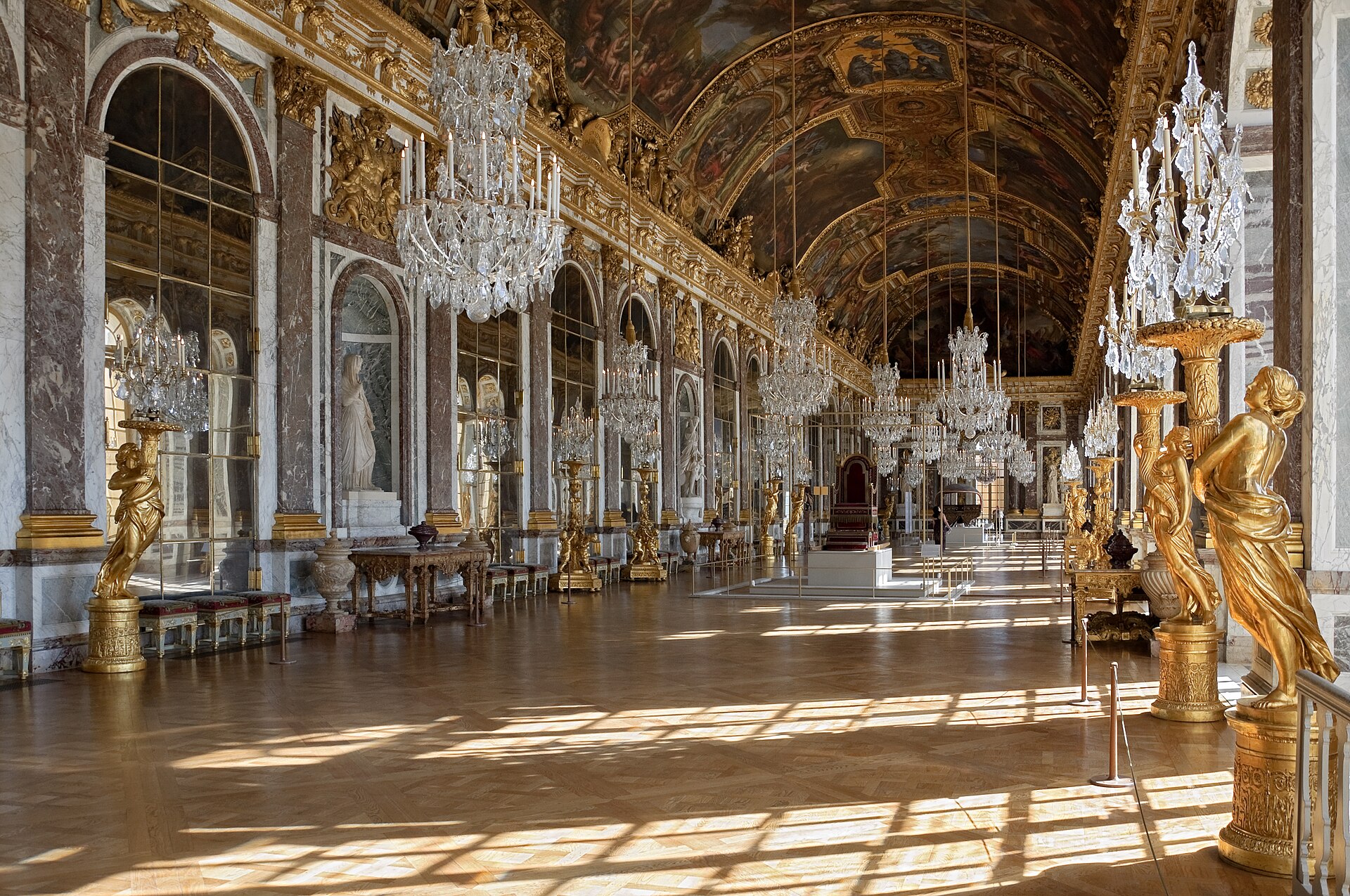
The Sun King's Court 🏛️ #3 • Palace of Versailles

The Sun King's Court

Walk the halls of absolute power, focusing on the ceremonial life of Louis XIV and the staggering wealth of the French monarchy.

Explore Audio Guide →
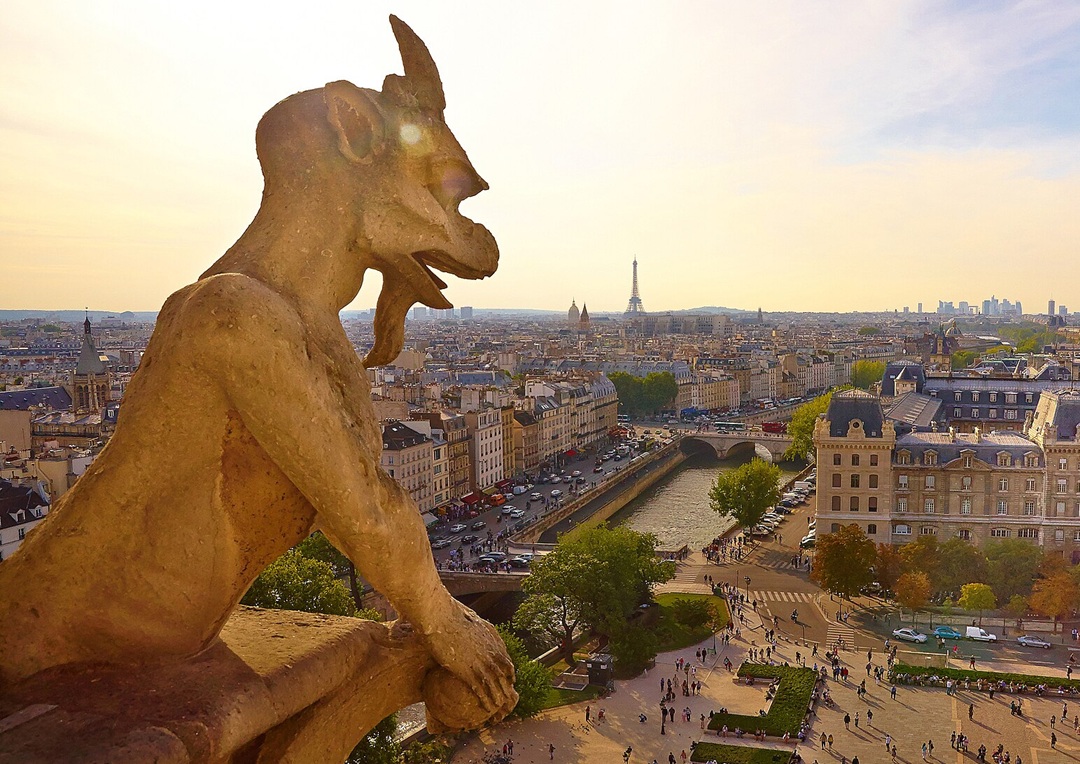
Notre-Dame: The Gothic Heart 🏛️ #4 • Île de la Cité & Notre-Dame

Notre-Dame: The Gothic Heart

Walk the perimeter and interior of the world's most famous cathedral, exploring its gothic engineering, its survival, and its 2024–2025 resurrection.

Explore Audio Guide →
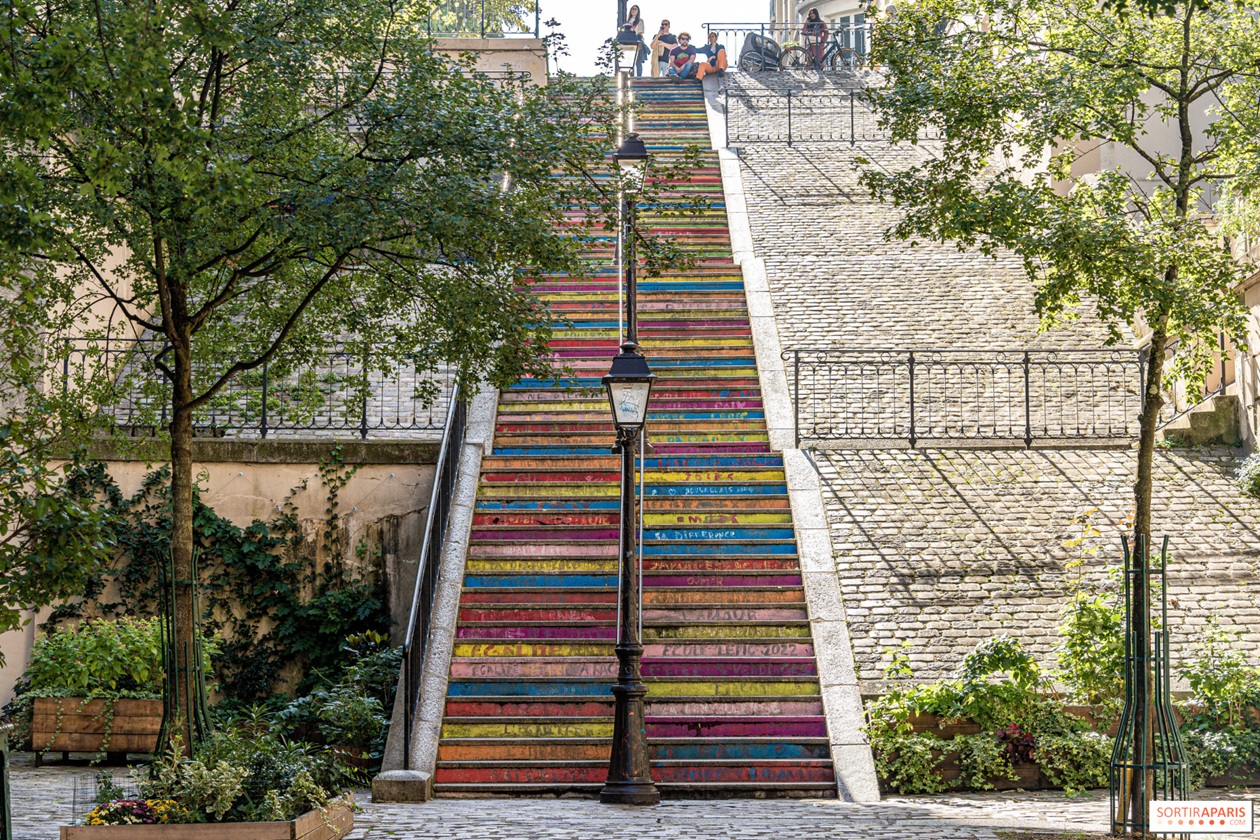
The Classic Climb 🏛️ #5 • Montmartre: The Bohemian Peak

The Classic Climb

Ascend to the Sacré-Cœur, winding through the bustling Place du Tertre and the iconic cobblestone streets of the hilltop village.

Explore Audio Guide →
The Heart of the Left Bank 🏛️ #6 • The Latin Quarter & Saint-Germain

The Heart of the Left Bank

Walk the historic student quarter, exploring the monumental Panthéon, the Sorbonne University, and the lively Boulevard Saint-Michel.

Explore Audio Guide →
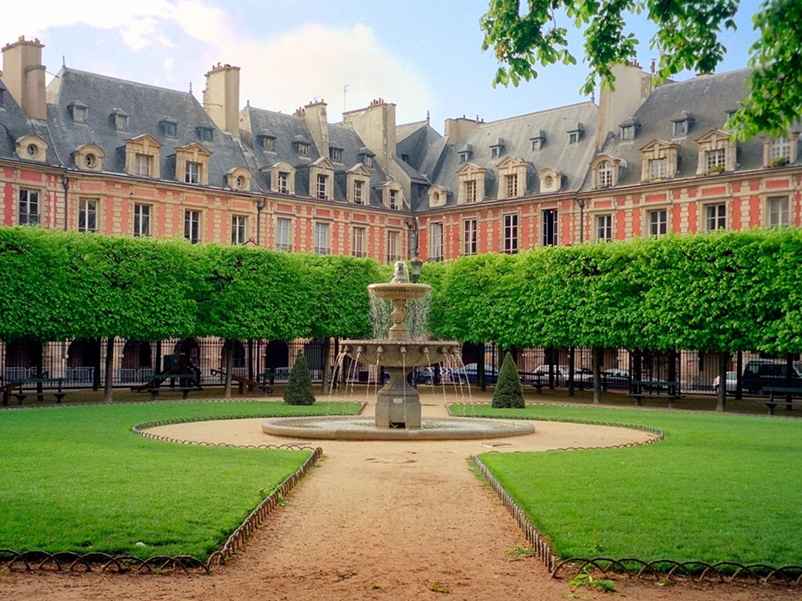
The Golden Age Mansions 🏛️ #7 • Le Marais: Aristocrats to Avant-Garde

The Golden Age Mansions

Discover the spectacular 17th-century Hôtels Particuliers (private palaces) and the breathtaking symmetry of the Place des Vosges.

Explore Audio Guide →
The Iron Lady & The Seine 🏛️ #8 • The Triumphal Way: Eiffel & The Grand Boulevards

The Iron Lady & The Seine

The ultimate photo route. Explore the Trocadéro, the architectural marvel of the Eiffel Tower, and the beautiful bridges of the Seine.

Explore Audio Guide →

Frequently Asked Questions

Why did Paris resemble a village in the 9th and 10th centuries?

Repeated Viking raids forced residents to abandon sprawling suburbs on the Left and Right Banks. The entire population consolidated within the fortified Île de la Cité, farming small plots and building timber homes inside the protective Roman walls.

What currency was used in 10th-century Parisian markets?

While Carolingian silver deniers existed, actual coinage was scarce in daily commerce. Most ordinary Parisians relied on a barter economy, exchanging agricultural goods, river fish, handcrafted leather, firewood, and woven wool directly at parish gathering places.

Where can visitors see physical evidence of this era in Paris today?

The Archaeological Crypt beneath the Notre-Dame forecourt displays structural remnants from this era, including late Roman defensive walls, Carolingian foundation postholes, and early medieval masonry that demonstrate how ancient ruins were repurposed for early medieval shelter.

How did early medieval parish life influence modern Paris?

The decentralized parish system created intensely local communities centered around neighborhood churches. This insular micro-identity survived the Middle Ages, laying the historical foundation for Paris's distinctive village-like neighborhoods, known today as the city's cherished quarters.

⏳ Continue This Paris Historical Era

Paris Smart Guide
★★★★★ 4.8 • FREE APP • OFFLINE GPS
Hear Paris's Hidden Stories
Your Personal Audio Guide • 10 Languages
🎧 Download