









🏺 Ancient & Historical Paris Video Chronicles (Before 52 BC – 1789 AD)
⏳ #8 • 2nd–3rd c. AD
🎬 Watch the 20-second video preview, then listen to the cliffhanger audio teaser ← Explore All App Features
🎬 20-Second AI Historical Reconstruction Preview
0:00 / 0:20
20s PREVIEW
🎧 Continue Listening — Audio Teaser

“Beneath modern Paris lies a forgotten imperial gateway. Discover how Roman barges brought exotic wines, Mediterranean spices, and immense wealth up the Seine, transforming Lutetia into a thriving trade powerhouse. Step into the hidden subterranean docks and unlock the full story today in the free Paris Smart Guide app.”

Unlock the full historical reconstruction video & complete story in the free Paris Smart Guide app.

Era II: Roman Lutetia (52 BC – 300 AD)

Connected to the Empire: Roman Lutetia on the Global Stage

How Mediterranean commerce transformed a muddy Celtic haven into a flourishing Roman river port.

By the second century AD, Roman Lutetia was no longer merely a regional settlement on the margins of northern Gaul. It had transformed into a dynamic riverine gateway. From the sun-drenched terraced hills of Hispania to the bustling workshops of Campania, the currents of the river Seine carried the lifeblood of imperial commerce deep into northern Europe.

🎧 Continue Listening — Audio Teaser

“Beneath modern Paris lies a forgotten imperial gateway. Discover how Roman barges brought exotic wines, Mediterranean spices, and immense wealth up the Seine, transforming Lutetia into a thriving trade powerhouse. Step into the hidden subterranean docks and unlock the full story today in the free Paris Smart Guide app.”

The Seine as an Imperial Highway

What made Lutetia indispensable to the Roman Empire was its strategic river crossroads. Here, the Seine converged with major overland routes linking Lyon, Boulogne, and the Rhine frontier. Heavy flat-bottomed barges, steered by the wealthy guild of Nautae Parisiaci (Parisian boatmen), navigated the waterways with remarkable efficiency. Replacing delicate Celtic dugout canoes, these oak cargo vessels could haul dozens of tons of cargo upstream and downstream. The river became a liquid avenue of communication, carrying raw timber, quarried limestone, and grain outward, while pulling the material sophistication of the Mediterranean world directly into Parisian ports.
Mediterranean Luxury at Parisian Markets

Daily commerce in second-century Lutetia mirrored the tastes of Rome itself. Excavations across modern Paris consistently unearth terracotta amphorae that once contained Andalusian olive oil, Italian vintage wines, and pungent fermented garum fish sauce from Lusitania. Wealthy Gallo-Roman households furnished their townhouses with:

  • Fine red-slipped terra sigillata tableware imported from southern Gaul
  • Delicate blown-glass flasks crafted in Syrian workshops
  • Exotic spices such as black pepper transported via maritime trade

These discoveries demonstrate how ordinary citizens and aristocrats alike integrated distant imperial luxuries into their domestic routines along the banks of the Seine.

Archaeological Echoes Beneath Île de la Cité

Modern infrastructure projects in Paris continuously reveal the physical infrastructure of this trade revolution. Beneath the Crypte Archéologique outside Notre-Dame Cathedral lie the sturdy foundations of the ancient quay walls that once bustled with stevedores and customs collectors. Deep beneath the modern pavement, archaeologists have uncovered timber dock pilings, stone mooring rings, and silted layers rich with discarded pottery fragments and lead cargo seals. These subterranean traces confirm that the Île de la Cité and the Left Bank waterfront operated as synchronized logistics centers, managing customs and warehousing bulk commodities that sustained thousands of urban inhabitants.

The Lasting Legacy of the Boatmen

The economic power forged during this golden age of Roman commerce left an indelible mark on modern Paris. The Pillar of the Boatmen, discovered beneath Notre-Dame's choir and now preserved in the Musée de Cluny, exemplifies the civic influence of the city's ancient shippers. Dedicated to Jupiter and Emperor Tiberius by the local river merchants, this monument highlights how trade financed civic prestige. Even today, the coat of arms of the City of Paris, bearing a silver ship proudly navigating ocean waves with the motto Fluctuat nec mergitur, directly descends from these ancient Gallo-Roman mariners.

🔒 FULL HISTORICAL NARRATION & VIDEO

Continue Watching & Reading in the App

Scan the QR code on the Floating App Card at the bottom-right of your screen to watch the full AI Paris reconstruction video and read the complete story for free.

Download the free Paris Smart Guide app on iOS or Android to watch the full AI historical video and read the complete story.

📲 Get the Free App Now
🎧 STEP INSIDE THE MONUMENTS

Explore Our 8 Flagship Interactive Paris Audio Tours

Go beyond the historical chronicles—walk Paris's greatest museums and historic neighborhoods with offline GPS & interactive AI audio guides.

The 1-Hour Masterpiece Dash 🏛️ #1 • The Louvre Museum

The 1-Hour Masterpiece Dash

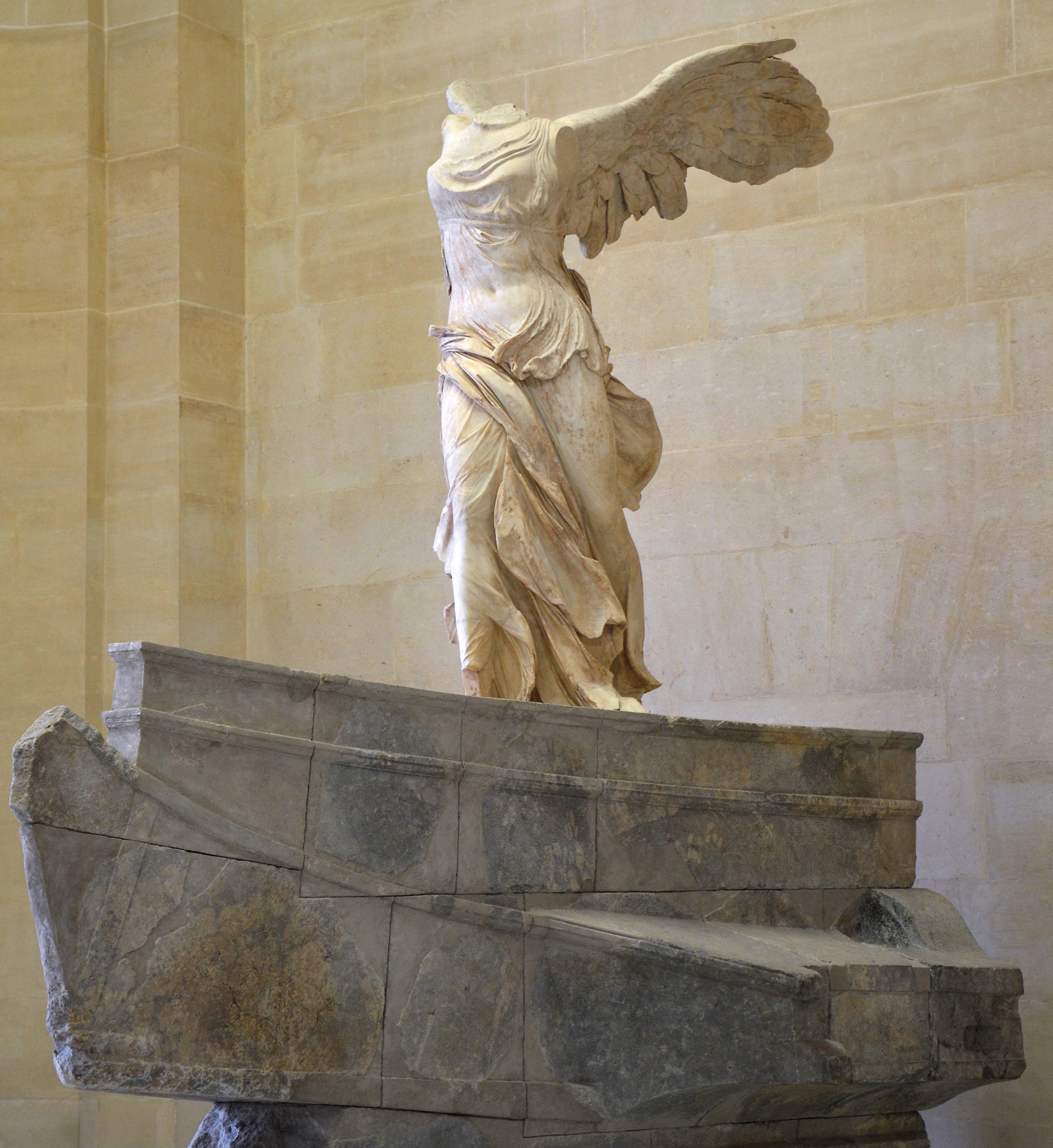
Short on time? See the Mona Lisa, Venus de Milo, and Winged Victory before the crowds arrive.

Explore Audio Guide →
The Impressionist Revolution 🏛️ #2 • Musée d'Orsay

The Impressionist Revolution

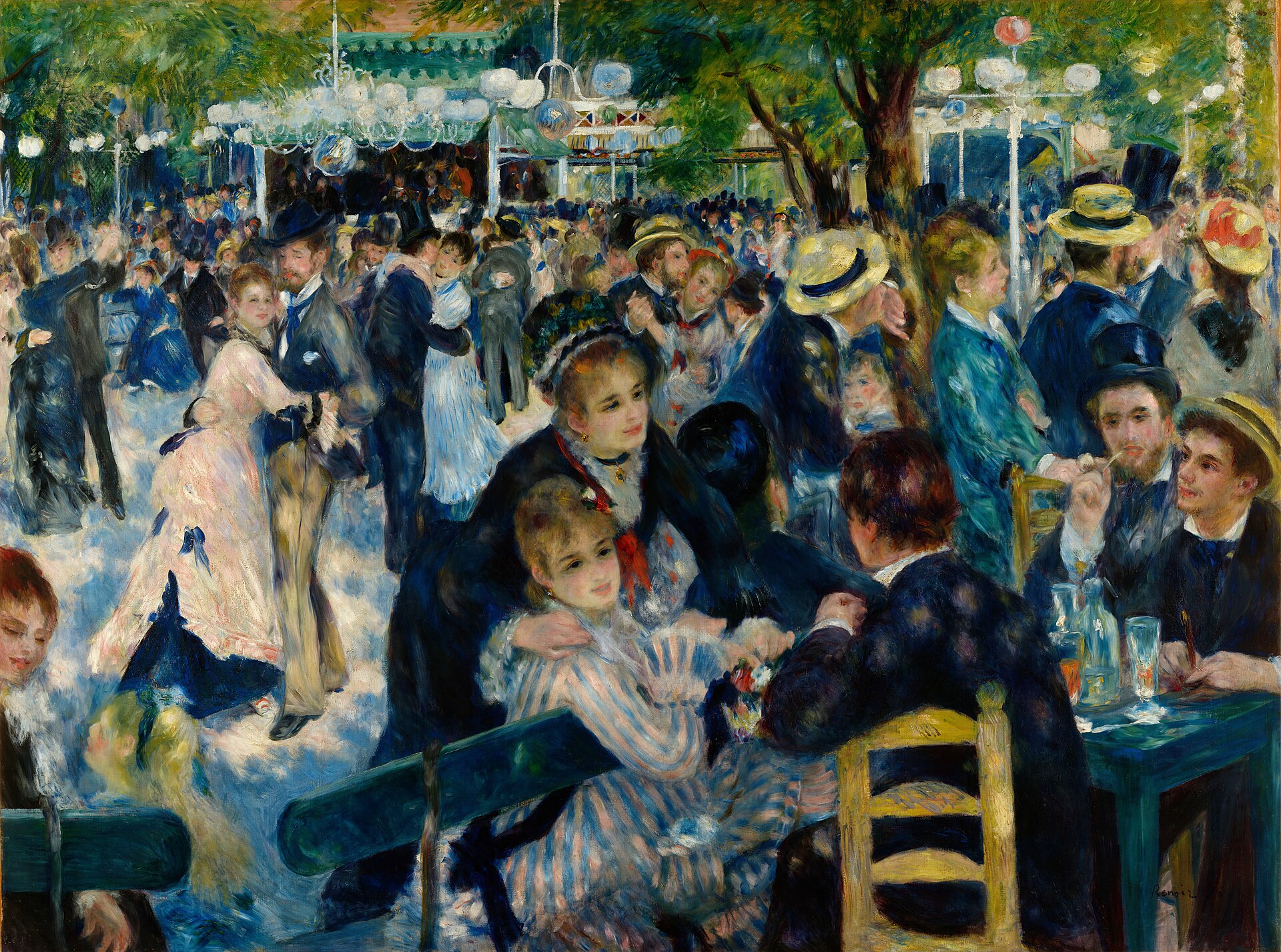
Witness the birth of modern art through the defining masterpieces of Monet, Renoir, and Van Gogh.

Explore Audio Guide →
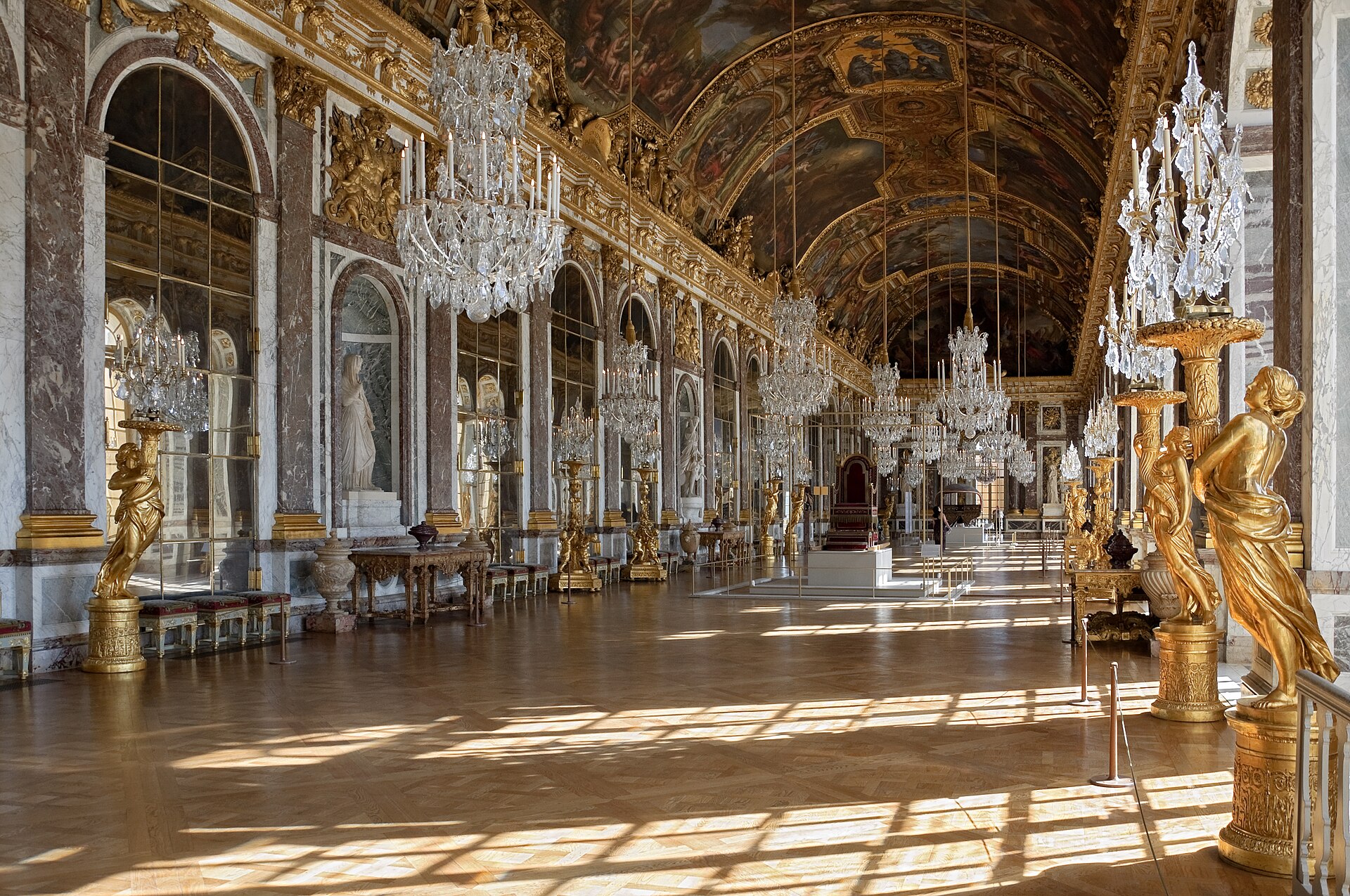
The Sun King's Court 🏛️ #3 • Palace of Versailles

The Sun King's Court

Walk the halls of absolute power, focusing on the ceremonial life of Louis XIV and the staggering wealth of the French monarchy.

Explore Audio Guide →
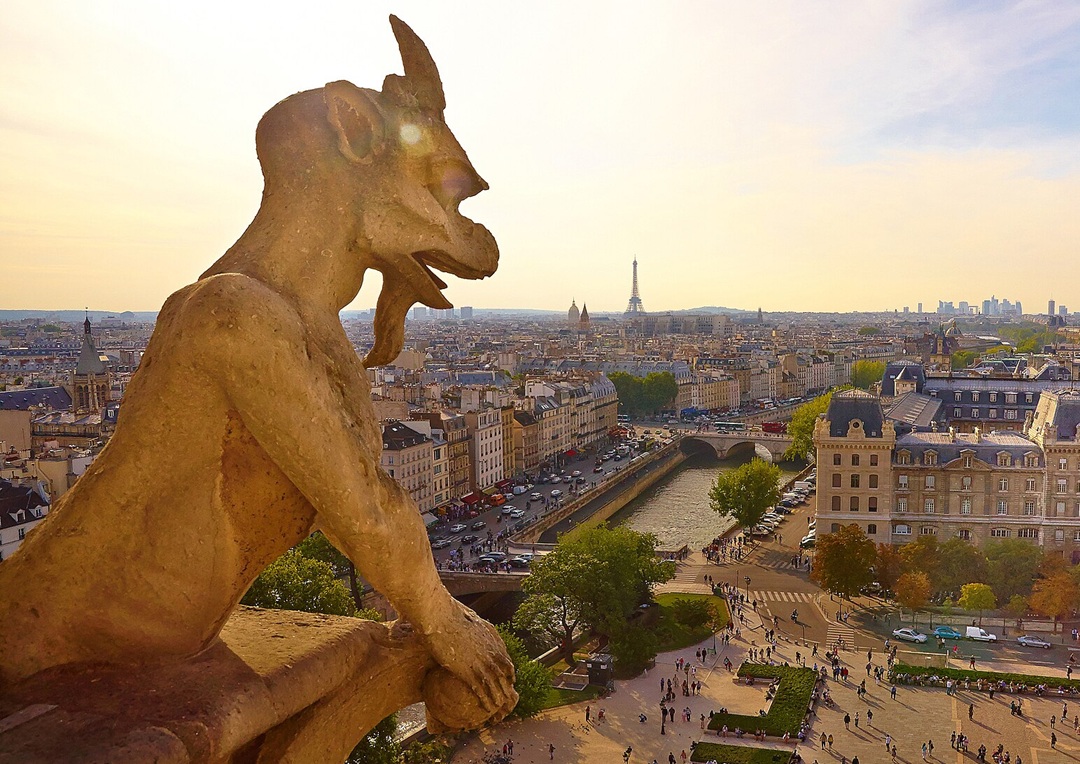
Notre-Dame: The Gothic Heart 🏛️ #4 • Île de la Cité & Notre-Dame

Notre-Dame: The Gothic Heart

Walk the perimeter and interior of the world's most famous cathedral, exploring its gothic engineering, its survival, and its 2024–2025 resurrection.

Explore Audio Guide →
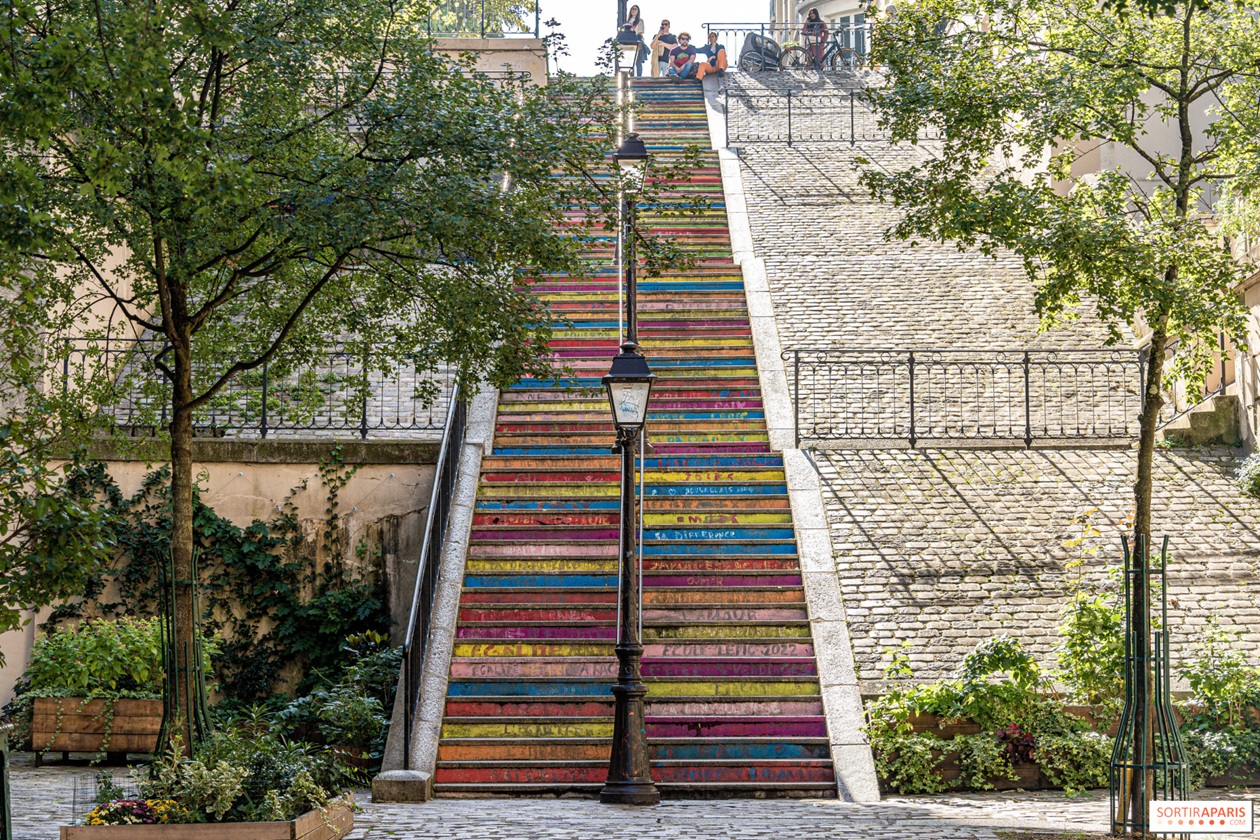
The Classic Climb 🏛️ #5 • Montmartre: The Bohemian Peak

The Classic Climb

Ascend to the Sacré-Cœur, winding through the bustling Place du Tertre and the iconic cobblestone streets of the hilltop village.

Explore Audio Guide →
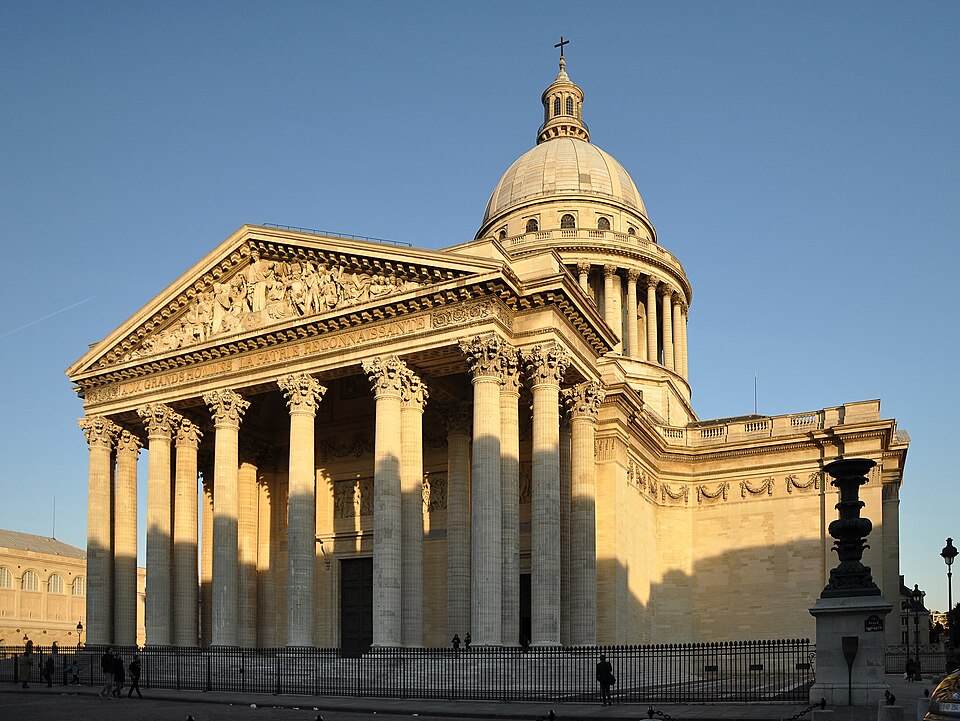
The Heart of the Left Bank 🏛️ #6 • The Latin Quarter & Saint-Germain

The Heart of the Left Bank

Walk the historic student quarter, exploring the monumental Panthéon, the Sorbonne University, and the lively Boulevard Saint-Michel.

Explore Audio Guide →
The Golden Age Mansions 🏛️ #7 • Le Marais: Aristocrats to Avant-Garde

The Golden Age Mansions

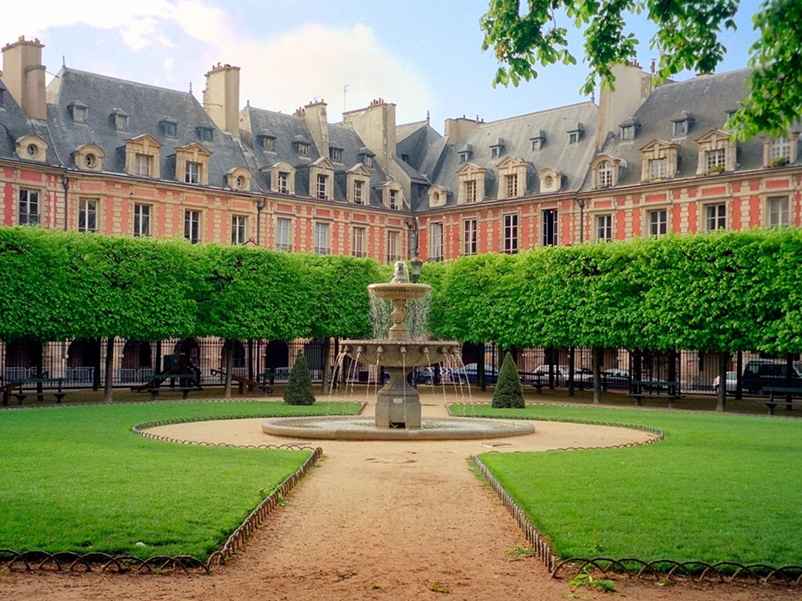
Discover the spectacular 17th-century Hôtels Particuliers (private palaces) and the breathtaking symmetry of the Place des Vosges.

Explore Audio Guide →
The Iron Lady & The Seine 🏛️ #8 • The Triumphal Way: Eiffel & The Grand Boulevards

The Iron Lady & The Seine

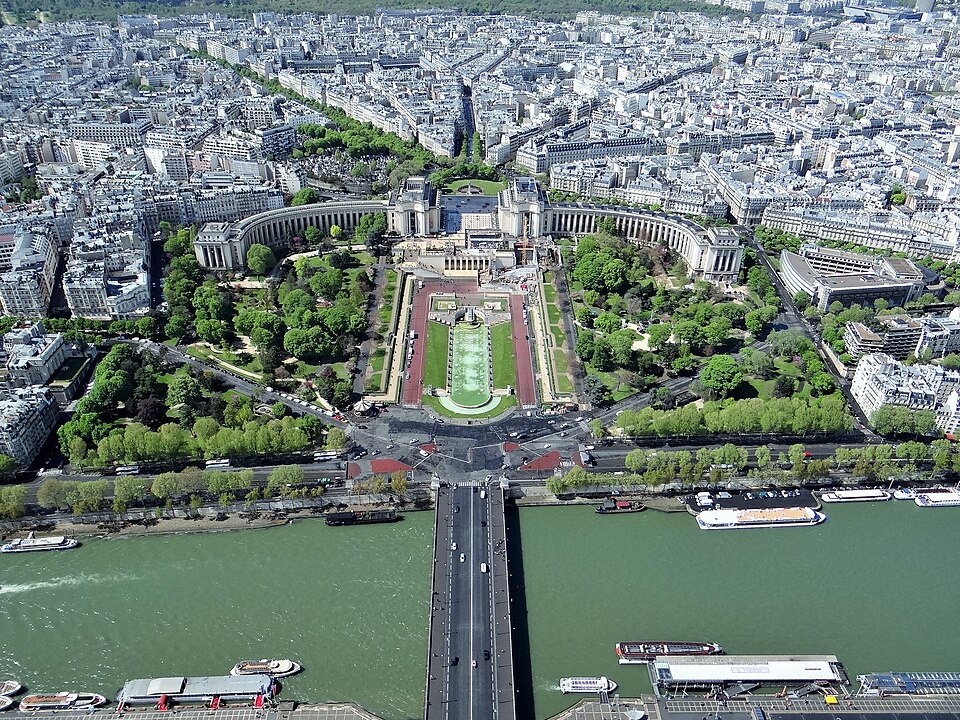
The ultimate photo route. Explore the Trocadéro, the architectural marvel of the Eiffel Tower, and the beautiful bridges of the Seine.

Explore Audio Guide →

Frequently Asked Questions

What goods were imported into Roman Lutetia from across the empire?

Archaeological excavations have uncovered Roman amphorae used for importing Italian and southern Gallic wines, Spanish olive oil, and garum fish sauce. Wealthier homes also acquired red terra sigillata ceramics, glassware from the Rhineland and Levant, and dried Mediterranean fruits and spices.

Who were the Nautae Parisiaci in ancient Paris?

The Nautae Parisiaci were a wealthy corporation of Gallo-Roman river boatmen and merchants. Operating along the Seine, they controlled vital waterborne commerce, financed monumental civic works, and dedicated the celebrated Pillar of the Boatmen in the first century AD.

Where can visitors see archaeological evidence of Lutetia's river port today?

Visitors can explore the Crypte Archéologique beneath the parvis of Notre-Dame Cathedral to see ancient riverbank docks and quay foundations. Additionally, the Musée de Cluny houses the Pillar of the Boatmen, displaying reliefs sculpted by these prosperous Seine merchants.

How does ancient Lutetian trade influence modern Parisian symbolism?

The modern coat of arms of Paris features an ancient sailing ship alongside the Latin motto Fluctuat nec mergitur. This enduring maritime emblem derives directly from the Gallo-Roman river traders who laid the foundation for the city's commercial prosperity.

⏳ Continue This Paris Historical Era

Paris Smart Guide
★★★★★ 4.8 • FREE APP • OFFLINE GPS
Hear Paris's Hidden Stories
Your Personal Audio Guide • 10 Languages
🎧 Download