









🏺 Ancient & Historical Paris Video Chronicles (Before 52 BC – 1789 AD)
⏳ #3 • 2nd c. BC
🎬 Watch the 20-second video preview, then listen to the cliffhanger audio teaser ← Explore All App Features
🎬 20-Second AI Historical Reconstruction Preview
0:00 / 0:20
20s PREVIEW
🎧 Continue Listening — Audio Teaser

“Beneath modern Paris lie the forgotten hearths of the Parisii, masters of riverbank craft and communal life. Who were these early dwellers, and what survives of their ancient world beneath the city streets? Discover their daily rituals and unlock the full historical video experience today in the free Paris Smart Guide app.”

Unlock the full historical reconstruction video & complete story in the free Paris Smart Guide app.

Era I: Pre-Roman Paris — The Parisii (Before 52 BC)

Life in a Celtic Settlement: The Daily Rhythm of the Parisii

Communal hearths, fertile riverbanks, and master craftsmanship along the ancient Seine.

Long before stone monuments defined the skyline, the Paris basin thrived under the quiet industriousness of the Parisii. Along the meandering Sequana (Seine), morning mist unveiled clusters of thatched dwellings where woodworkers, weavers, and farmers sustained a vibrant riverine society. Here, communal survival blossomed into an enduring culture attuned to the river’s natural pulse.

🎧 Continue Listening — Audio Teaser

“Beneath modern Paris lie the forgotten hearths of the Parisii, masters of riverbank craft and communal life. Who were these early dwellers, and what survives of their ancient world beneath the city streets? Discover their daily rituals and unlock the full historical video experience today in the free Paris Smart Guide app.”

Riverbank Architecture and Communal Living

The domestic core of the Parisii settlement relied entirely on the fertile bounty of the floodplain. Timber posts driven into river silt supported wattle-and-daub walls of clay and straw, topped by thick thatched roofs. Inside these huts, life centered around a sunken clay hearth, which radiated warmth and served as the community kitchen. Families gathered here to prepare coarse porridge, bake flatbreads on hot embers, and exchange oral traditions. These early domestic quarters established Paris not as a fortified stronghold, but as an intimate, cooperative river valley community.
Agricultural Pioneers in the Seine Basin

Beyond the residential compounds, Parisii farmers transformed forest clearings into productive fields of emmer wheat, six-row barley, and legumes. Utilizing iron-tipped wooden plows pulled by draught oxen, they cultivated the rich alluvial soil:

  • Seasonal Tillage: Spring plantings yielded dependable grains stored carefully in raised wooden granaries.
  • Pastoral Herding: Cattle, swine, and sheep grazed along marshy riverbanks, supplying essential wool, meat, and leather.

Every successful harvest reinforced the transition from semi-nomadic life to sedentary river stewardship. This agricultural bounty laid the economic bedrock for the flourishing river trade that soon redefined Paris.

Craftsmanship of Bone, Wood, and Woven Reeds

Daily utility and artistry converged seamlessly within Parisii workshops. Women harvested dense river osiers to weave impermeable wicker baskets and sturdy fish traps, mastering hydraulic techniques that harnessed the Seine's currents. Artisans coaxed delicate needles, awls, and dress pins from animal bone and red deer antler, essential for sewing dense woolens and cured furs. Concurrently, woodworkers shaped native ash and oak into durable dugouts and farming implements. Rather than relying on distant imports, the Parisii elevated natural valley resources into resilient utensils, demonstrating profound technical mastery over their immediate aquatic and woodland environment.

Subterranean Traces: Archaeology of Parisii Life

Modern rescue excavations across the Paris basin—most notably around Nanterre and the edges of the Île de la Cité—have unearthed tangible fragments of this ancient world. Beneath modern asphalt, archaeologists have recovered charred grain stores, ceramic loom weights, and clay hearth platforms carbon-dated to the 2nd century BC. These unassuming traces challenge the myth of a primitive wilderness, revealing instead a planned, sanitary, and resilient proto-urban ecosystem. The very roads, river crossings, and trade pathways forged by these early Celtic settlers continue to underpin the arterial layout of modern Paris today.

🔒 FULL HISTORICAL NARRATION & VIDEO

Continue Watching & Reading in the App

Scan the QR code on the Floating App Card at the bottom-right of your screen to watch the full AI Paris reconstruction video and read the complete story for free.

Download the free Paris Smart Guide app on iOS or Android to watch the full AI historical video and read the complete story.

📲 Get the Free App Now
🎧 STEP INSIDE THE MONUMENTS

Explore Our 8 Flagship Interactive Paris Audio Tours

Go beyond the historical chronicles—walk Paris's greatest museums and historic neighborhoods with offline GPS & interactive AI audio guides.

The 1-Hour Masterpiece Dash 🏛️ #1 • The Louvre Museum

The 1-Hour Masterpiece Dash

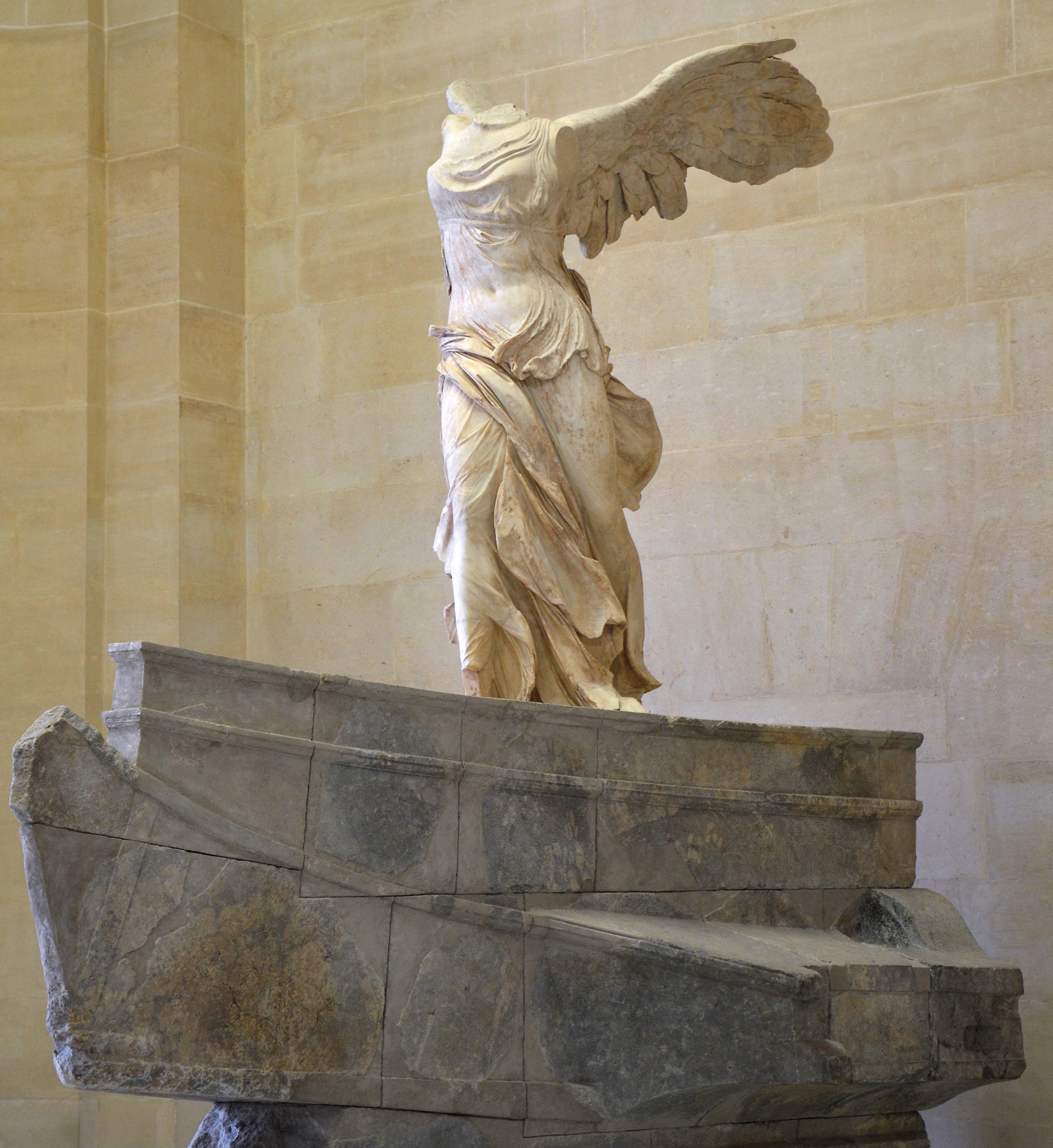
Short on time? See the Mona Lisa, Venus de Milo, and Winged Victory before the crowds arrive.

Explore Audio Guide →
The Impressionist Revolution 🏛️ #2 • Musée d'Orsay

The Impressionist Revolution

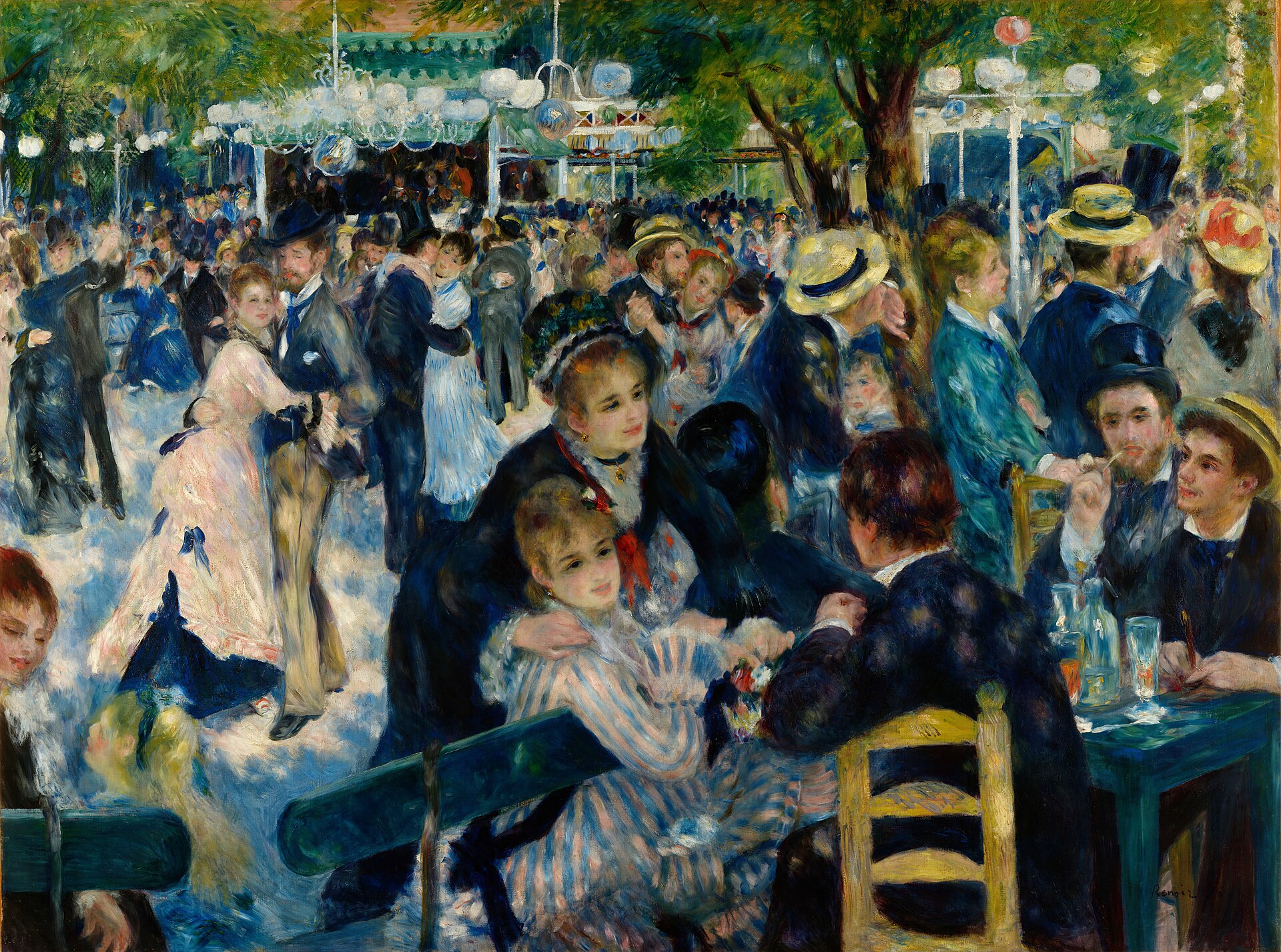
Witness the birth of modern art through the defining masterpieces of Monet, Renoir, and Van Gogh.

Explore Audio Guide →
The Sun King's Court 🏛️ #3 • Palace of Versailles

The Sun King's Court

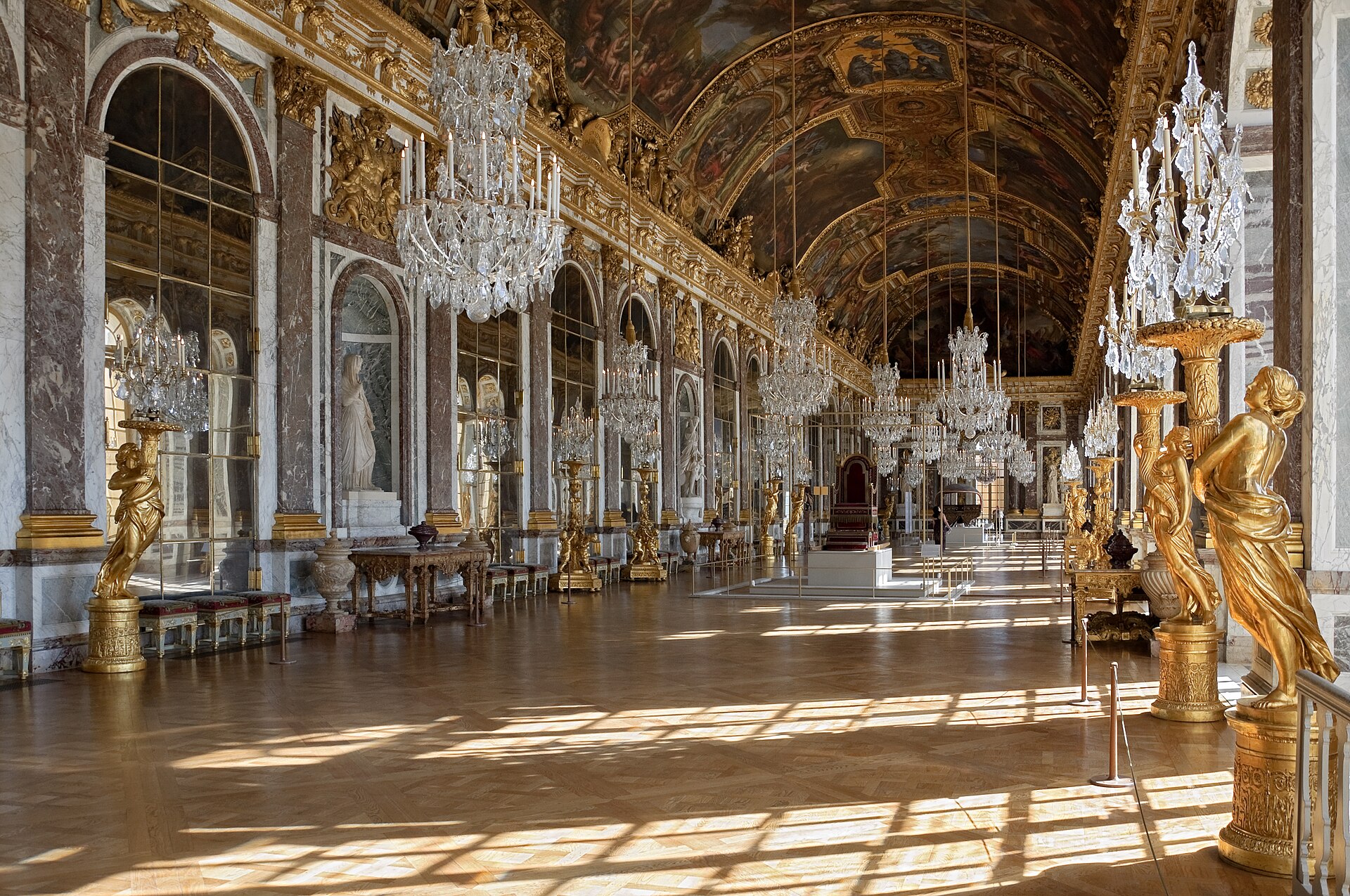
Walk the halls of absolute power, focusing on the ceremonial life of Louis XIV and the staggering wealth of the French monarchy.

Explore Audio Guide →
Notre-Dame: The Gothic Heart 🏛️ #4 • Île de la Cité & Notre-Dame

Notre-Dame: The Gothic Heart

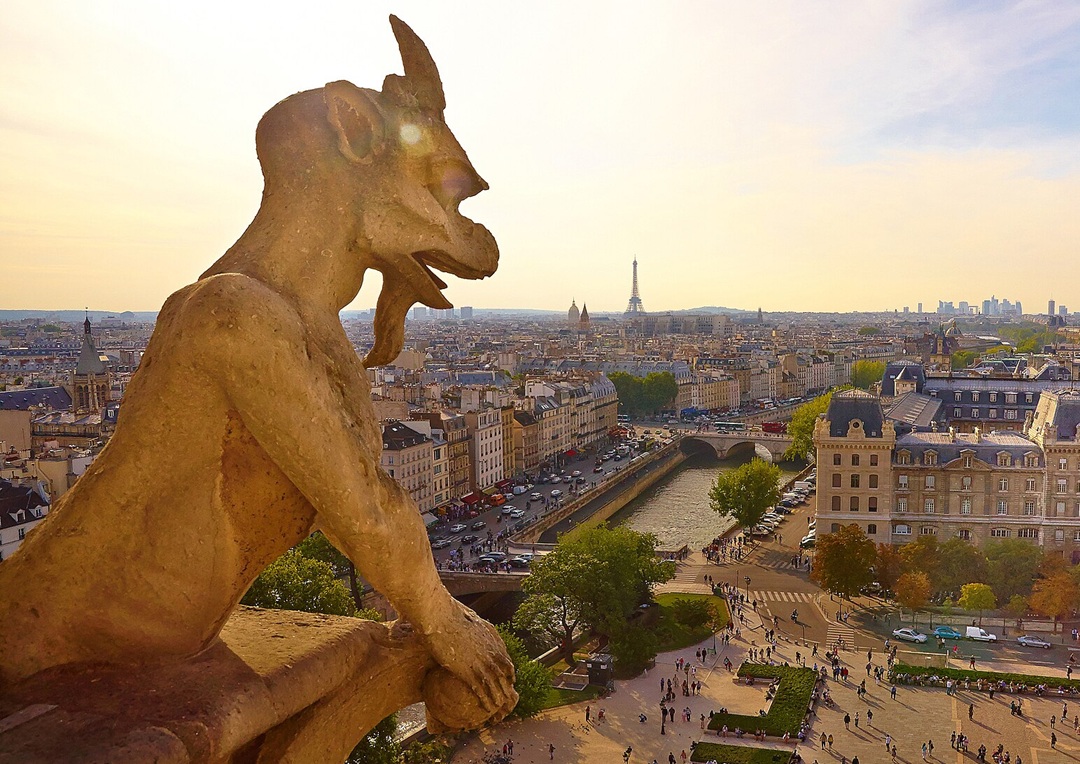
Walk the perimeter and interior of the world's most famous cathedral, exploring its gothic engineering, its survival, and its 2024–2025 resurrection.

Explore Audio Guide →
The Classic Climb 🏛️ #5 • Montmartre: The Bohemian Peak

The Classic Climb

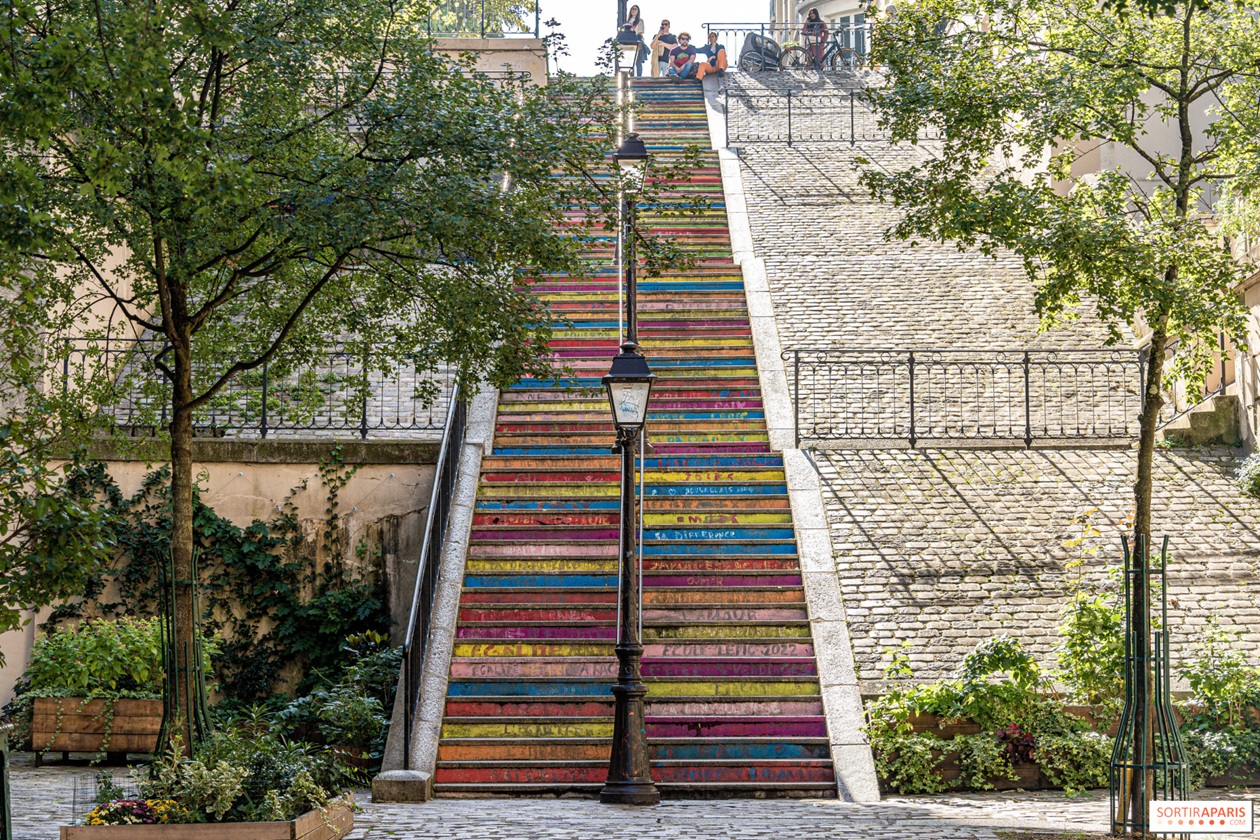
Ascend to the Sacré-Cœur, winding through the bustling Place du Tertre and the iconic cobblestone streets of the hilltop village.

Explore Audio Guide →
The Heart of the Left Bank 🏛️ #6 • The Latin Quarter & Saint-Germain

The Heart of the Left Bank

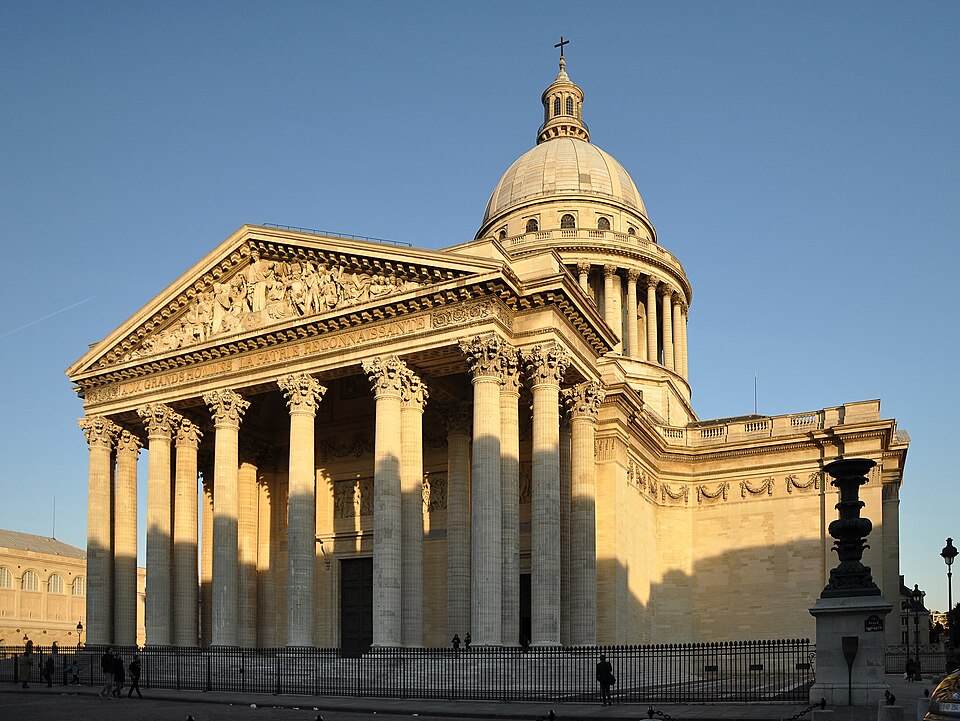
Walk the historic student quarter, exploring the monumental Panthéon, the Sorbonne University, and the lively Boulevard Saint-Michel.

Explore Audio Guide →
The Golden Age Mansions 🏛️ #7 • Le Marais: Aristocrats to Avant-Garde

The Golden Age Mansions

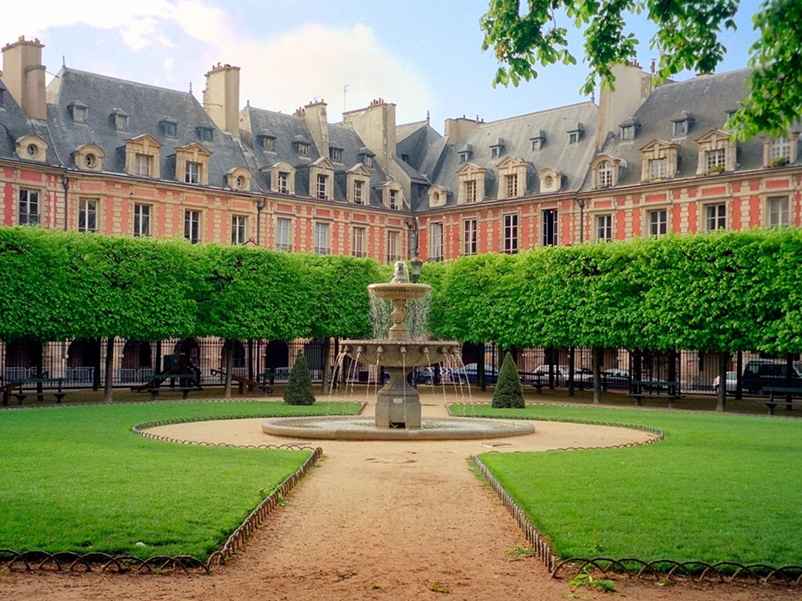
Discover the spectacular 17th-century Hôtels Particuliers (private palaces) and the breathtaking symmetry of the Place des Vosges.

Explore Audio Guide →
The Iron Lady & The Seine 🏛️ #8 • The Triumphal Way: Eiffel & The Grand Boulevards

The Iron Lady & The Seine

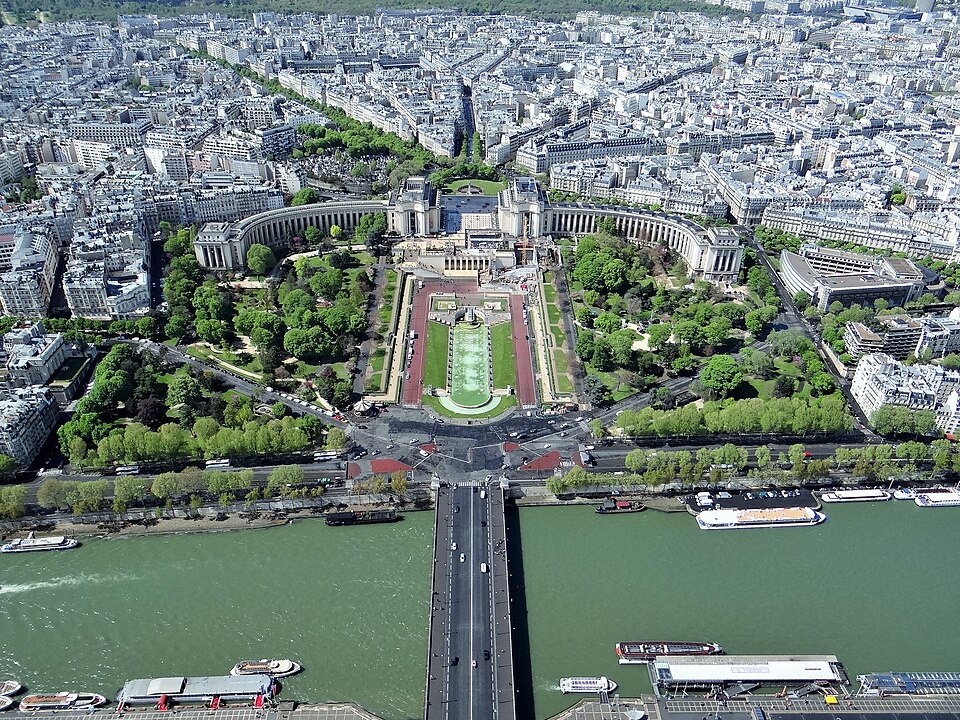
The ultimate photo route. Explore the Trocadéro, the architectural marvel of the Eiffel Tower, and the beautiful bridges of the Seine.

Explore Audio Guide →

Frequently Asked Questions

What materials did the Parisii use to build their homes?

The Parisii constructed homes using timber posts, wattle-and-daub walls made from local river clay and straw, and roofs thatched with reeds. These organic materials blended into the landscape, providing effective insulation against harsh Seine valley winters.

Where in Paris can one find Celtic archaeological remains today?

While visible structures are rare, significant Parisii artifacts, hearth bases, and agricultural tools are preserved in the Musée Carnavalet and the Crypte Archéologique beneath Notre-Dame. Major proto-urban settlements have also been excavated near modern Nanterre.

What did the Parisii eat on a daily basis?

The Parisii consumed a diet rich in emmer wheat and barley porridge, flatbreads, and stewed legumes. They supplemented farming with domesticated pork, beef, and river fish, alongside foraged wild fruits, nuts, and mead brewed from wild honey.

How did river craftsmanship shape the settlement's early economy?

Weaving reeds into fish traps and crafting wooden dugout canoes enabled the Parisii to dominate fishing and river transport along the Seine. This craftsmanship laid the foundation for specialized river trade that later defined pre-Roman commerce.

⏳ Continue This Paris Historical Era

Paris Smart Guide
★★★★★ 4.8 • FREE APP • OFFLINE GPS
Hear Paris's Hidden Stories
Your Personal Audio Guide • 10 Languages
🎧 Download