









🏺 Ancient & Historical Paris Video Chronicles (Before 52 BC – 1789 AD)
⏳ #7 • 2nd c. AD
🎬 Watch the 20-second video preview, then listen to the cliffhanger audio teaser ← Explore All App Features
🎬 20-Second AI Historical Reconstruction Preview
0:00 / 0:20
20s PREVIEW
🎧 Continue Listening — Audio Teaser

“Beneath the buzzing pavement of the Latin Quarter lie subterranean conduits, Roman furnaces, and a forgotten gladiatorial arena carved into the hillside. Discover how ancient Lutetia mastered fire and water to forge an imperial metropolis. Download the Paris Smart Guide app now to unlock the full chronicle and breathtaking cinematic reconstruction.”

Unlock the full historical reconstruction video & complete story in the free Paris Smart Guide app.

Era II: Roman Lutetia (52 BC – 300 AD)

The Engineering Marvels of Roman Lutetia

Monumental aqueducts, heated baths, and hybrid arenas crowned the Left Bank in stone.

By the mid-second century AD, Lutetia had blossomed into a triumphant showcase of classical Roman urbanism. Rising high above the marshy Seine, the Left Bank hills were crowned by majestic stone monuments, intricate hydraulic networks, and warm public sanctuaries. Through pioneering engineering, imperial builders transformed a rugged Gallic river outpost into an enduring masterclass of sanitation, spectacle, and municipal luxury.

🎧 Continue Listening — Audio Teaser

“Beneath the buzzing pavement of the Latin Quarter lie subterranean conduits, Roman furnaces, and a forgotten gladiatorial arena carved into the hillside. Discover how ancient Lutetia mastered fire and water to forge an imperial metropolis. Download the Paris Smart Guide app now to unlock the full chronicle and breathtaking cinematic reconstruction.”

The Lifeline of Stone: Bringing Water from Afar

Roman engineers fundamentally reshaped the hydrology of the Paris basin by tapping fresh springs nearly sixteen kilometers south near Wissous and Rungis. Channeling this precious resource along a subterranean aqueduct, gravity conveyed millions of liters of pristine water directly to public fountains, elite townhouses, and civic complexes on Montagne Sainte-Geneviève. Unlike the turbid, disease-prone currents of the Seine below, this continuous supply sustained urban sanitation and enabled public luxury on an unprecedented scale. Masonry conduits, settling basins, and lead pipe siphons guaranteed that even the highest elevated quarters enjoyed effortless, crystal-clear running water throughout the Pax Romana.
Thermal Splendor: The Architecture of Heated Comfort

At the civic heart of the Left Bank stood three colossal bath complexes, most famously the northern baths now known as the Thermes de Cluny. Spanning an entire city block, this palatial sanctuary demonstrated absolute mastery over temperature and moisture through ingenious hypocaust underfloor heating. Subterranean furnaces stoked by enslaved stokers circulated superheated air beneath elevated terracotta tile floors and inside hollow wall flues called tubuli. Wealthy patricians and common laborers alike progressed through sequentially heated chambers—from the vaulted, chilly frigidarium to the steamy caldarium—transforming communal hygiene into the ultimate daily social ritual.

The Hybrid Arena: Spectacle Carved into the Hillside

Carved directly into the eastern slope of the Bièvre valley, the Arènes de Lutèce represented a brilliant regional adaptation of classical amphitheater design. Unlike typical Roman structures erected purely for gladiatorial combat, this hybrid amphitheater-theater featured a sunken sand arena enveloped by thirty-five tiers of stone seating, alongside a monumental raised stage. Accommodating over fifteen thousand spectators—more than the entire permanent population of Lutetia—this architectural marvel hosted brutal animal hunts, mock sea battles, and stirring classical plays under one soaring roof. It bonded diverse Celtic-Roman communities together through state-sponsored civic drama and awe-inspiring imperial grandeur.

Ghostly Footprints: Surviving Foundations in Modern Paris

When Germanic incursions swept Gaul in the late third century, Lutetians dismantled these civic monuments for defensive ramparts on Île de la Cité. Yet the monumental skeleton of Roman engineering still anchors modern Paris. The soaring fourteen-meter barrel-vaulted ceiling of the Cluny frigidarium survives intact within the Latin Quarter, having never collapsed over two millennia. Beneath modern Rue Saint-Jacques, the ancient cardo maximus, and around the rediscovered stones of the amphitheater, the precise surveying and durable mortared rubble masonry of imperial Lutetia continue to dictate the urban geometry and underground infrastructure of contemporary Paris.

🔒 FULL HISTORICAL NARRATION & VIDEO

Continue Watching & Reading in the App

Scan the QR code on the Floating App Card at the bottom-right of your screen to watch the full AI Paris reconstruction video and read the complete story for free.

Download the free Paris Smart Guide app on iOS or Android to watch the full AI historical video and read the complete story.

📲 Get the Free App Now
🎧 STEP INSIDE THE MONUMENTS

Explore Our 8 Flagship Interactive Paris Audio Tours

Go beyond the historical chronicles—walk Paris's greatest museums and historic neighborhoods with offline GPS & interactive AI audio guides.

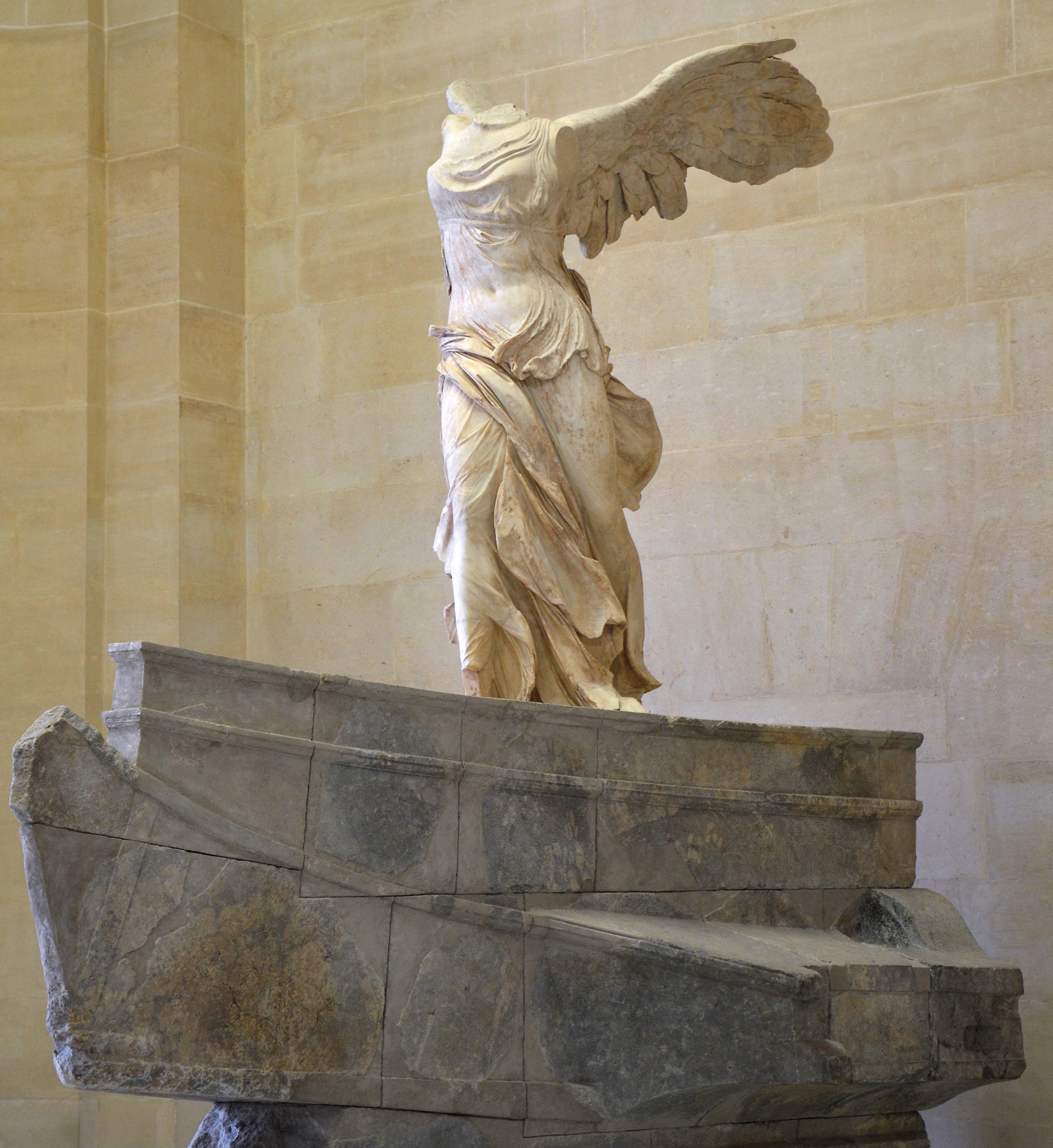
The 1-Hour Masterpiece Dash 🏛️ #1 • The Louvre Museum

The 1-Hour Masterpiece Dash

Short on time? See the Mona Lisa, Venus de Milo, and Winged Victory before the crowds arrive.

Explore Audio Guide →
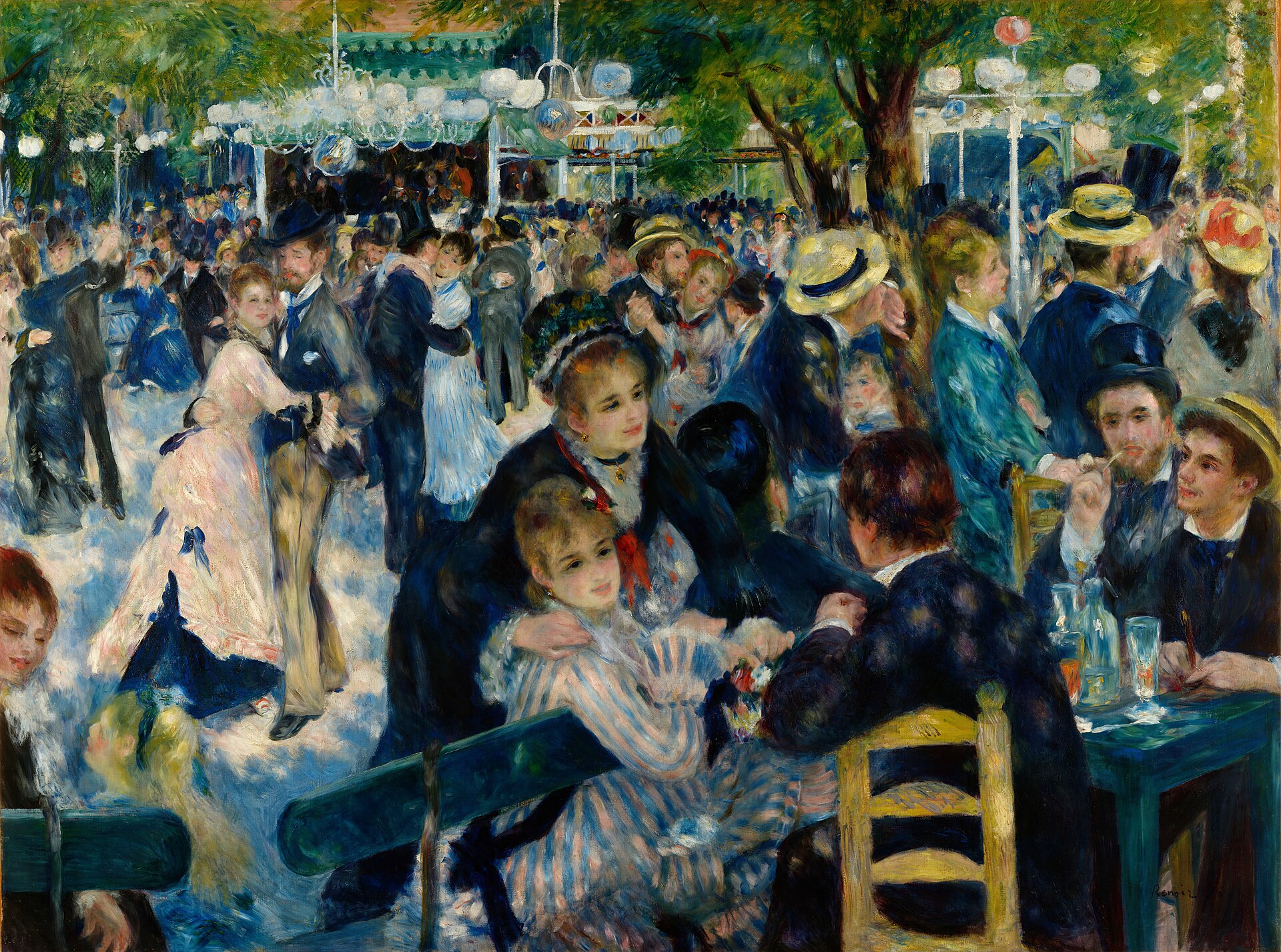
The Impressionist Revolution 🏛️ #2 • Musée d'Orsay

The Impressionist Revolution

Witness the birth of modern art through the defining masterpieces of Monet, Renoir, and Van Gogh.

Explore Audio Guide →
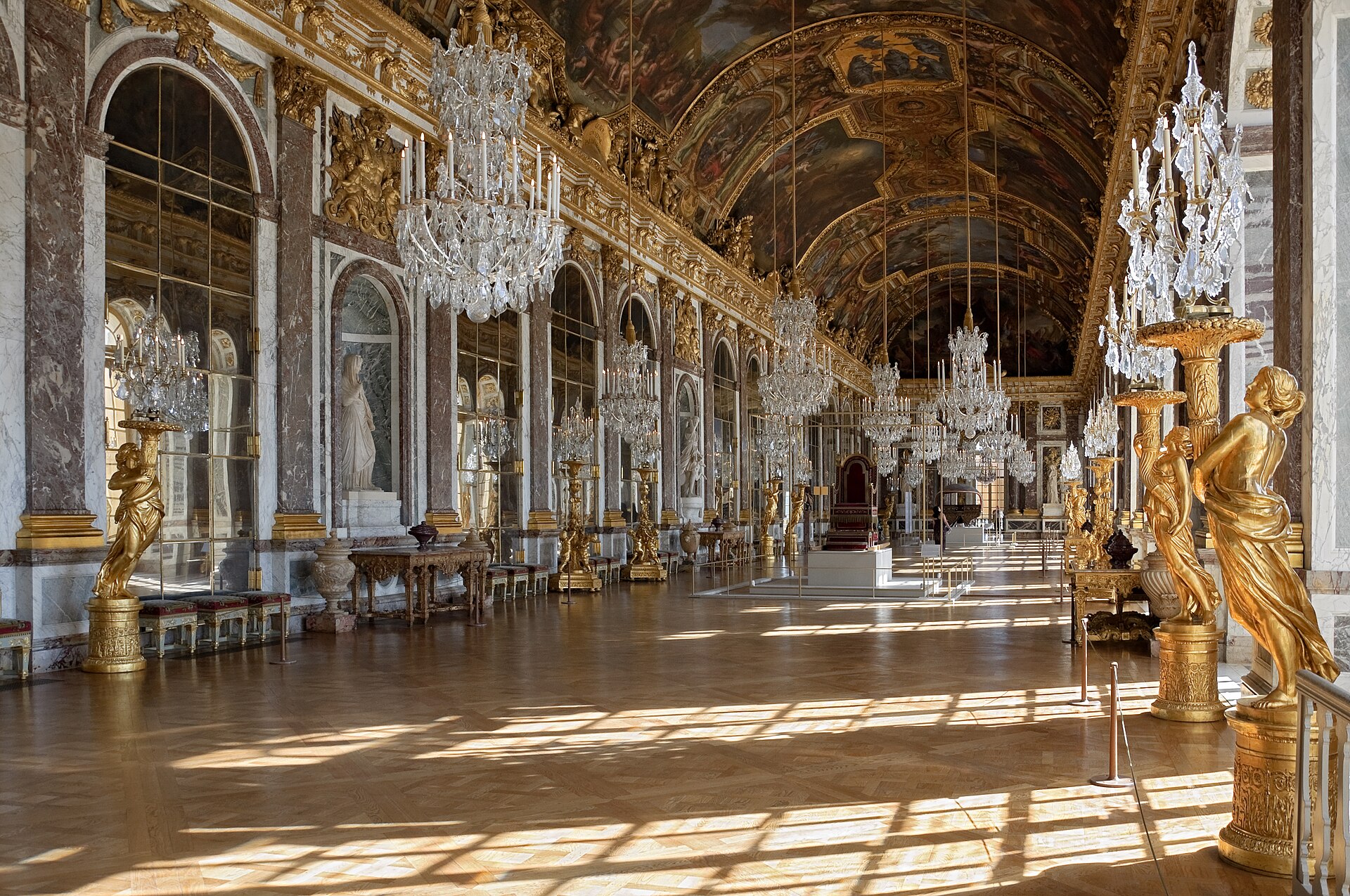
The Sun King's Court 🏛️ #3 • Palace of Versailles

The Sun King's Court

Walk the halls of absolute power, focusing on the ceremonial life of Louis XIV and the staggering wealth of the French monarchy.

Explore Audio Guide →
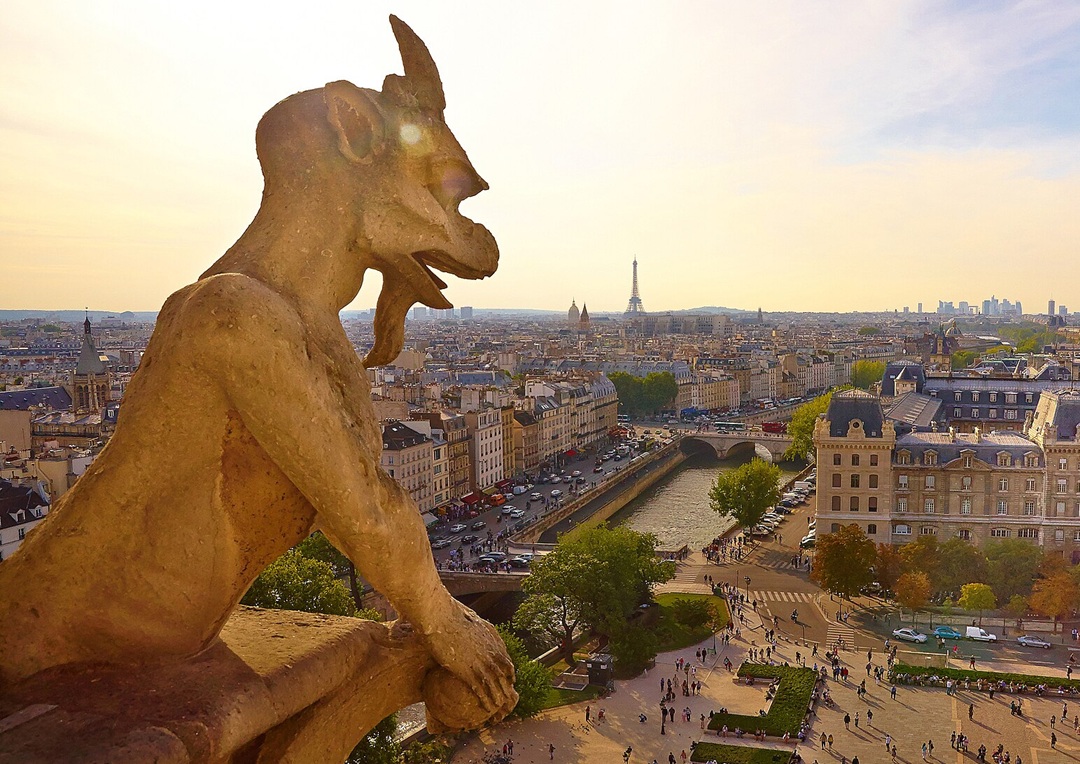
Notre-Dame: The Gothic Heart 🏛️ #4 • Île de la Cité & Notre-Dame

Notre-Dame: The Gothic Heart

Walk the perimeter and interior of the world's most famous cathedral, exploring its gothic engineering, its survival, and its 2024–2025 resurrection.

Explore Audio Guide →
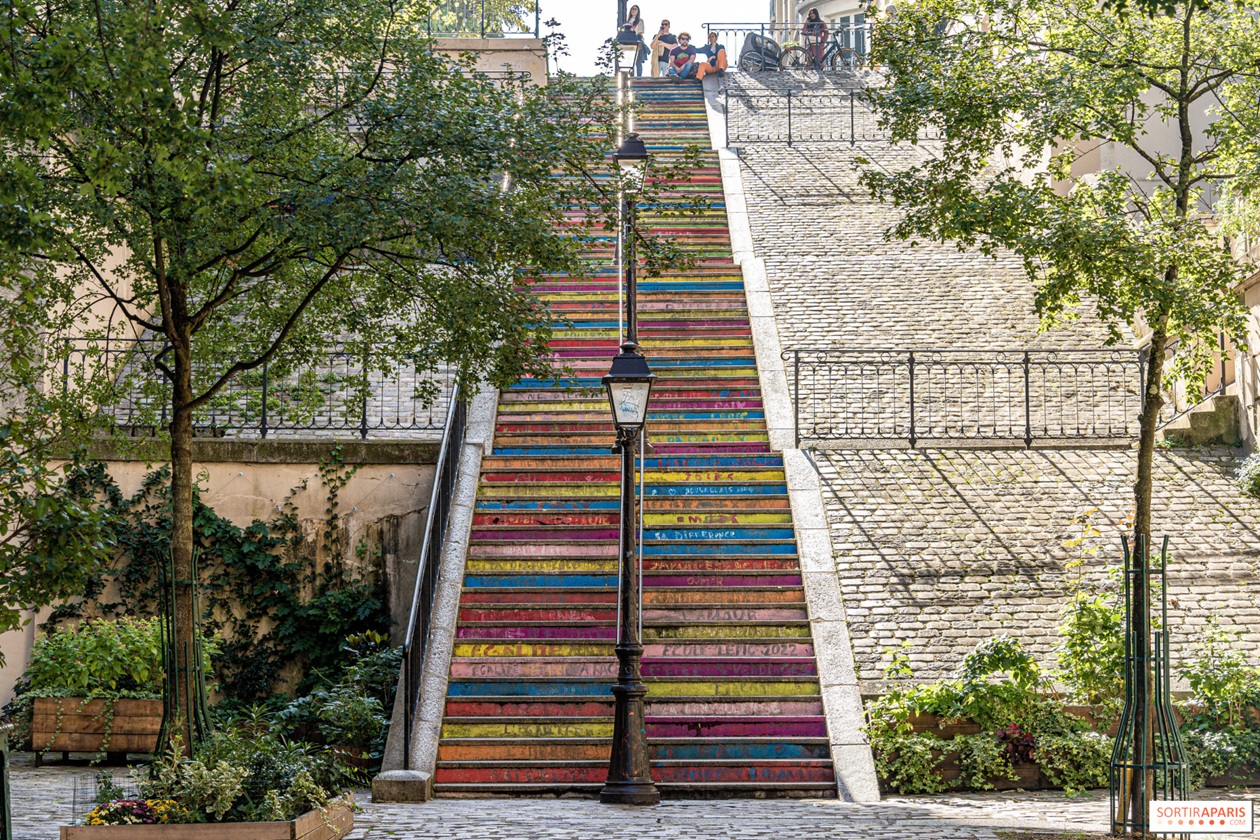
The Classic Climb 🏛️ #5 • Montmartre: The Bohemian Peak

The Classic Climb

Ascend to the Sacré-Cœur, winding through the bustling Place du Tertre and the iconic cobblestone streets of the hilltop village.

Explore Audio Guide →
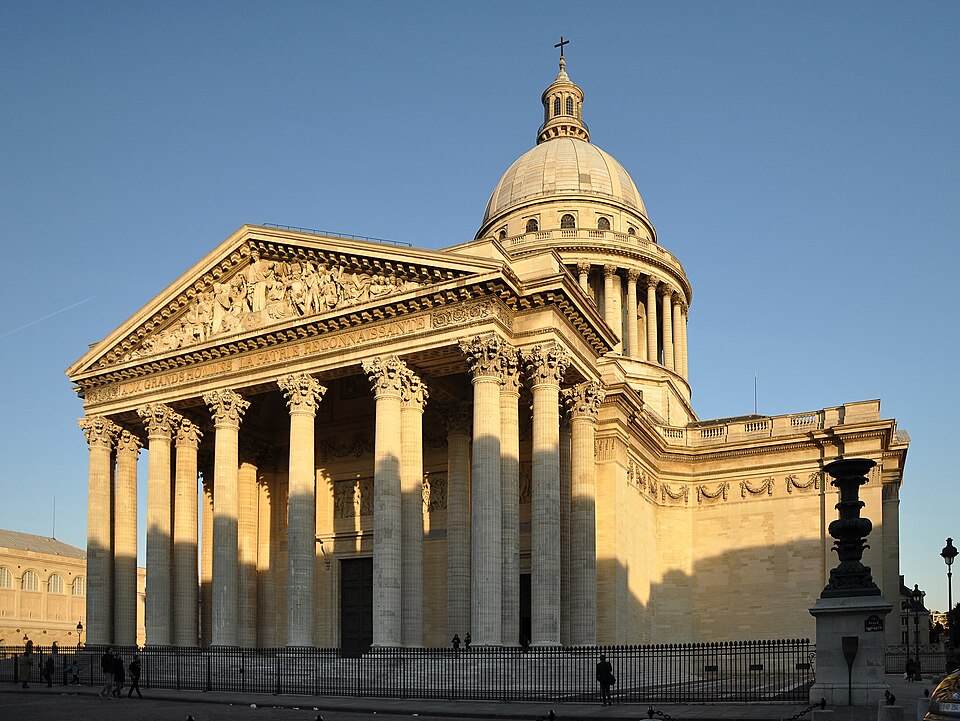
The Heart of the Left Bank 🏛️ #6 • The Latin Quarter & Saint-Germain

The Heart of the Left Bank

Walk the historic student quarter, exploring the monumental Panthéon, the Sorbonne University, and the lively Boulevard Saint-Michel.

Explore Audio Guide →
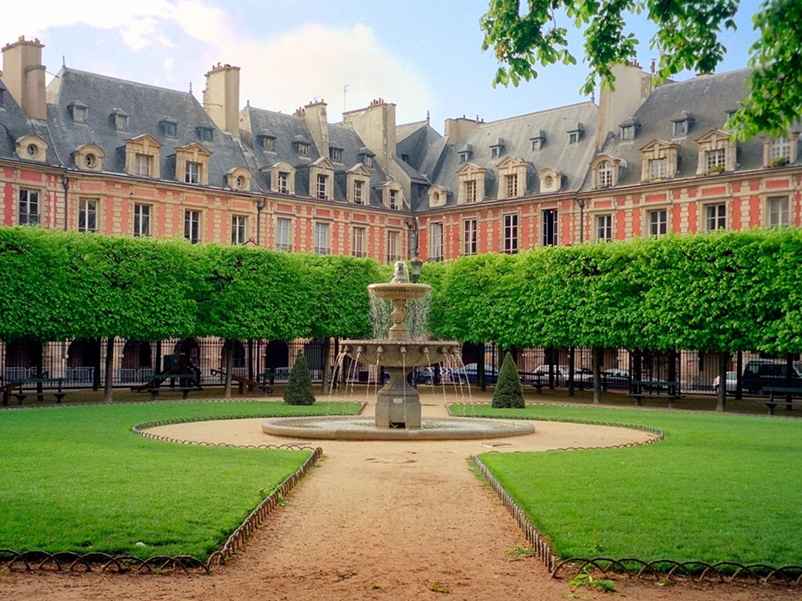
The Golden Age Mansions 🏛️ #7 • Le Marais: Aristocrats to Avant-Garde

The Golden Age Mansions

Discover the spectacular 17th-century Hôtels Particuliers (private palaces) and the breathtaking symmetry of the Place des Vosges.

Explore Audio Guide →
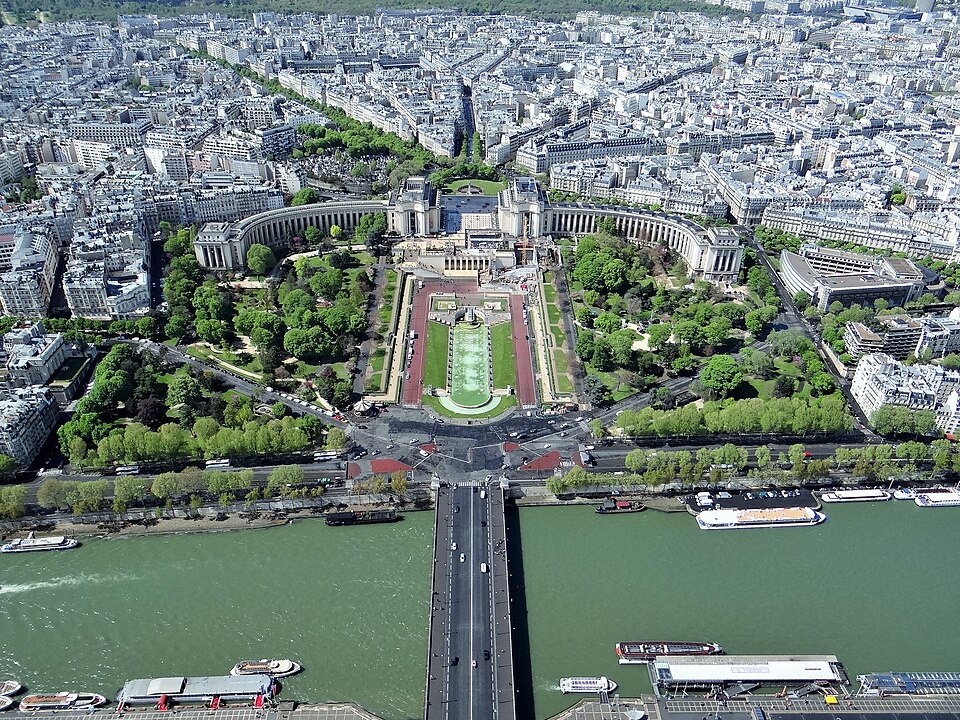
The Iron Lady & The Seine 🏛️ #8 • The Triumphal Way: Eiffel & The Grand Boulevards

The Iron Lady & The Seine

The ultimate photo route. Explore the Trocadéro, the architectural marvel of the Eiffel Tower, and the beautiful bridges of the Seine.

Explore Audio Guide →

Frequently Asked Questions

Where did the Roman aqueduct of Lutetia originate?

The aqueduct originated near modern Rungis and Wissous, sixteen kilometers south of Paris. Roman engineers used gravity-fed masonry channels to deliver pure spring water across valleys directly to the Left Bank public baths and fountains on Montagne Sainte-Geneviève.

Can visitors still see the Roman baths of Paris today?

Yes, the monumental ruins of the Thermes de Cluny are preserved inside the Musée de Cluny in the Latin Quarter. Visitors can stand inside the remarkable frigidarium, whose towering fourteen-meter vaulted ceiling has survived intact for over eighteen centuries.

What made the Arènes de Lutèce unique compared to the Colosseum?

Unlike Rome's Colosseum, which was exclusively dedicated to combat, the Arènes de Lutèce was a hybrid arena-theater. It incorporated a broad stage for theatrical performances alongside an oval fighting pit, accommodating over fifteen thousand citizens from throughout the Paris basin.

How did Roman hypocaust heating work in ancient Lutetia?

Hypocausts relied on wood-burning basement furnaces that circulated superheated air beneath floors raised on brick pillars and through hollow terracotta wall pipes. This ingenious system warmed the stone flooring and pools of the Cluny baths throughout freezing Parisian winters.

⏳ Continue This Paris Historical Era

Paris Smart Guide
★★★★★ 4.8 • FREE APP • OFFLINE GPS
Hear Paris's Hidden Stories
Your Personal Audio Guide • 10 Languages
🎧 Download