









🏺 Ancient & Historical Paris Video Chronicles (Before 52 BC – 1789 AD)
⏳ #4 • 1st c. BC
🎬 Watch the 20-second video preview, then listen to the cliffhanger audio teaser ← Explore All App Features
🎬 20-Second AI Historical Reconstruction Preview
0:00 / 0:20
20s PREVIEW
🎧 Continue Listening — Audio Teaser

“Beneath the stone bridges of Paris lies a lost world of Celtic gold, sunken trading barges, and audacious river masters. Who were the wealthy boatmen who dominated the Seine before Caesar arrived? Discover the dazzling craftsmanship and untold archaeological secrets of ancient Paris by downloading the free Paris Smart Guide today.”

Unlock the full historical reconstruction video & complete story in the free Paris Smart Guide app.

Era I: Pre-Roman Paris — The Parisii (Before 52 BC)

The First Merchants of Paris: River Lords and Golden Staters

How Celtic river masters forged an international trade empire along the Seine.

Long before imperial Roman engineers laid paved causeways, the mist-shrouded waters of the Seine bustled with commerce. In the first century BC, the Parisii transformed their strategic river bends into northern Gaul's most lucrative commercial crossroads, amassing extraordinary wealth by taxing river traffic and bartering Atlantic tin, Baltic amber, and Mediterranean wine upon their bustling island shores.

🎧 Continue Listening — Audio Teaser

“Beneath the stone bridges of Paris lies a lost world of Celtic gold, sunken trading barges, and audacious river masters. Who were the wealthy boatmen who dominated the Seine before Caesar arrived? Discover the dazzling craftsmanship and untold archaeological secrets of ancient Paris by downloading the free Paris Smart Guide today.”

The River Highway of Northern Gaul

Centuries before stone bridges anchored the capital, the Seine served as an aquatic superhighway cutting across ancient Europe. The Parisii recognized the immense commercial advantage of their natural river meanders and braided channels. Controlling the prime river crossing points near Île de la Cité, their boatmen regulated traffic transporting British tin bound for Mediterranean bronze foundries, salted Atlantic provisions, and exotic inland furs. By dominating these vital transshipment points, the tribe acted as indispensable intermediaries. They collected tolls and bartered cargo directly on pebbled quays, turning a cluster of marshy islands into an early proto-urban distribution hub of formidable economic clout.
Masterpieces in Gold: The Parisii Staters

Nothing illustrates the immense prosperity of the Parisii better than their magnificent gold coinage. Minted in the first century BC, these gold staters rank among the crowning achievements of Celtic abstract art. Rather than crude imitations of Greek models, they feature a stylized profile on the obverse and an energetic, curvilinear horse leaping beneath a net-like canopy on the reverse. These coins were far more than bullion; they broadcast political sovereignty and commercial prestige across Gaul. Excavated hoards prove that Parisian merchants possessed unprecedented liquidity, establishing financial clout that astonished Roman commanders when Julius Caesar arrived in Gaul.

Waterfront Markets and Everyday Exchange

Daily commerce along the proto-Parisian shoreline was vigorous, gritty, and cosmopolitan. Along natural gravel beaches and timber docks, local artisans traded hand-turned ceramic vessels, iron sickles, and cured river fish for luxury imports. Roman merchants—negotiatores—ventured far upriver to swap Italian amphorae filled with vintage wine for fine Gallic woolens and smoked hams. Archaeological dredging beneath modern Parisian bridges has retrieved balance weights, iron boat hooks, and imported bronze fibulae, revealing an intensely interconnected riverside bazaar. This early maritime economy fostered a tight-knit guild of navigators whose institutional lineage would eventually evolve into the medieval Nautes Parisiaci, cementing river commerce into Parisian DNA.

The Enduring Commercial Blueprint of Paris

The trade network established by the Parisii permanently defined the urban geography of modern Paris. When Rome conquered the territory, they preserved the native river port, aligning their cardo maximus with the indigenous river crossing that is now Rue Saint-Jacques. Today, the legendary Paris coat of arms proudly carries the Parisii legacy: a silver ship afloat upon choppy waves, accompanied by the ancient motto Fluctuat nec mergitur—tossed by waves, but never sunk. The mercantile genius of Celtic boatmen survives in the very soul of the city, whose global stature was born from these ancient riverbank trades.

🔒 FULL HISTORICAL NARRATION & VIDEO

Continue Watching & Reading in the App

Scan the QR code on the Floating App Card at the bottom-right of your screen to watch the full AI Paris reconstruction video and read the complete story for free.

Download the free Paris Smart Guide app on iOS or Android to watch the full AI historical video and read the complete story.

📲 Get the Free App Now
🎧 STEP INSIDE THE MONUMENTS

Explore Our 8 Flagship Interactive Paris Audio Tours

Go beyond the historical chronicles—walk Paris's greatest museums and historic neighborhoods with offline GPS & interactive AI audio guides.

The 1-Hour Masterpiece Dash 🏛️ #1 • The Louvre Museum

The 1-Hour Masterpiece Dash

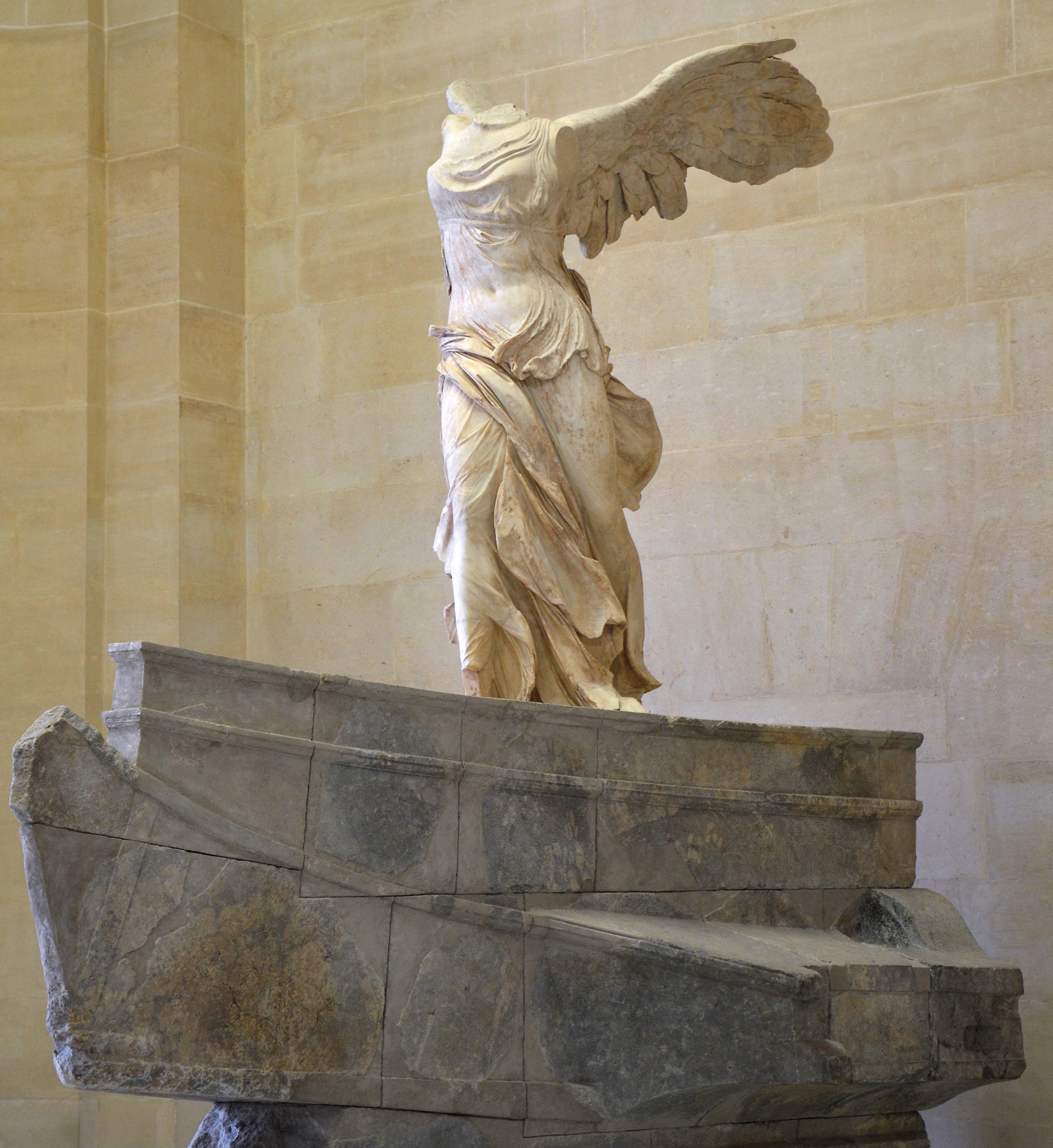
Short on time? See the Mona Lisa, Venus de Milo, and Winged Victory before the crowds arrive.

Explore Audio Guide →
The Impressionist Revolution 🏛️ #2 • Musée d'Orsay

The Impressionist Revolution

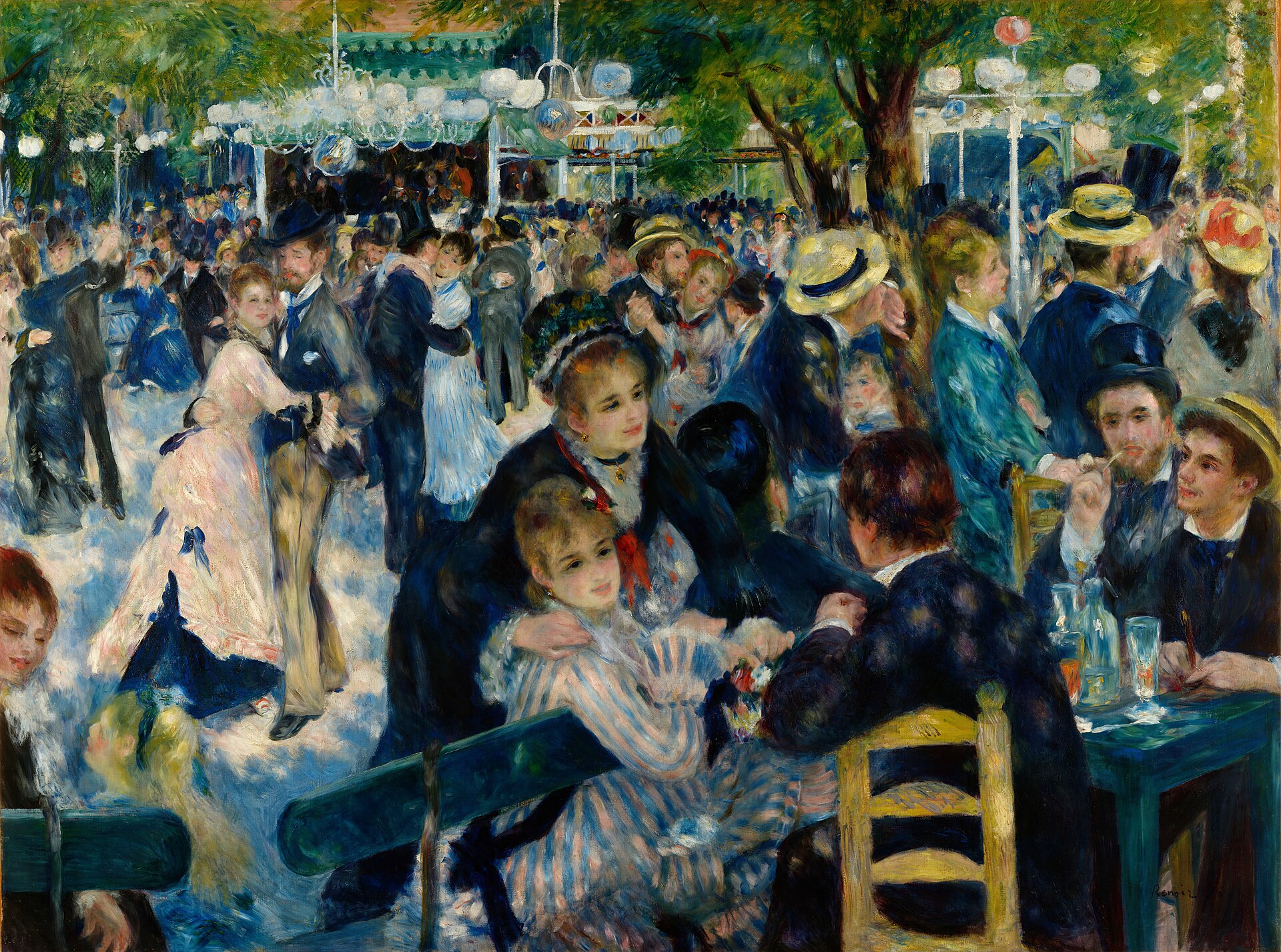
Witness the birth of modern art through the defining masterpieces of Monet, Renoir, and Van Gogh.

Explore Audio Guide →
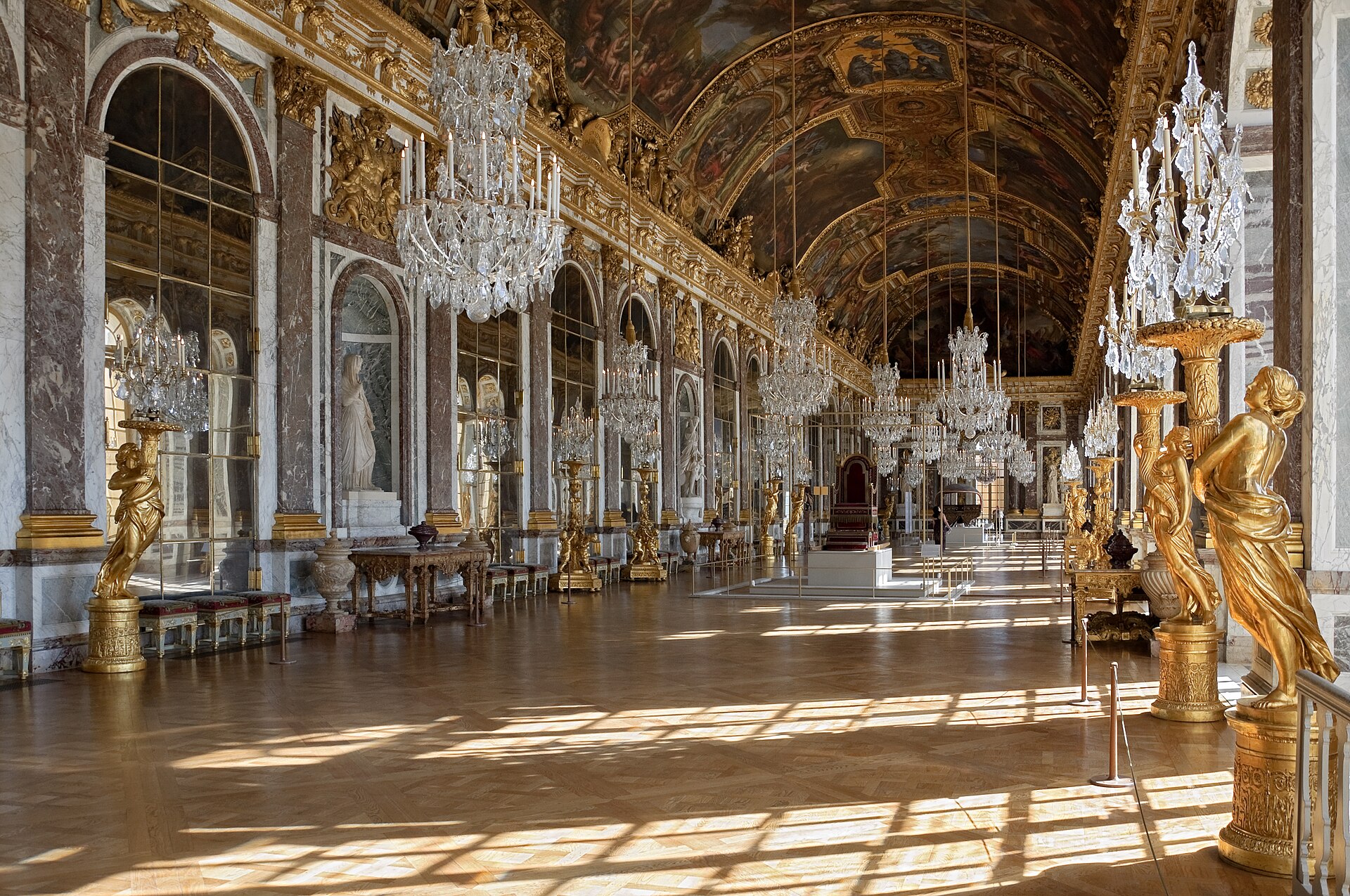
The Sun King's Court 🏛️ #3 • Palace of Versailles

The Sun King's Court

Walk the halls of absolute power, focusing on the ceremonial life of Louis XIV and the staggering wealth of the French monarchy.

Explore Audio Guide →
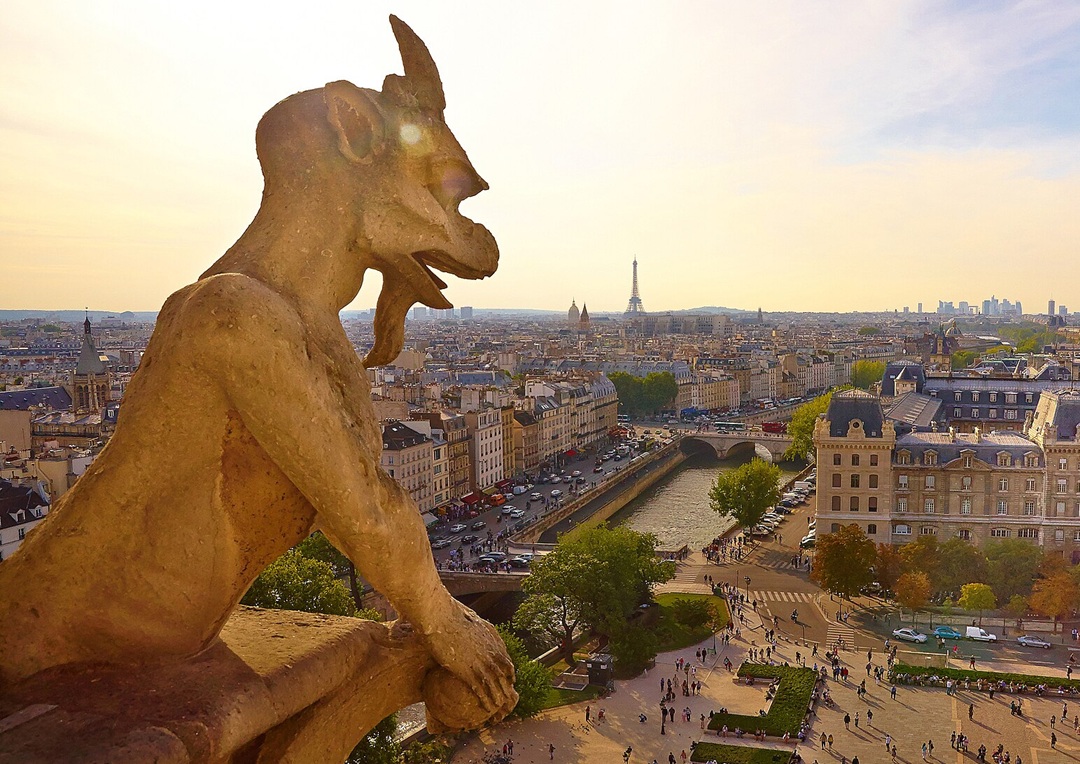
Notre-Dame: The Gothic Heart 🏛️ #4 • Île de la Cité & Notre-Dame

Notre-Dame: The Gothic Heart

Walk the perimeter and interior of the world's most famous cathedral, exploring its gothic engineering, its survival, and its 2024–2025 resurrection.

Explore Audio Guide →
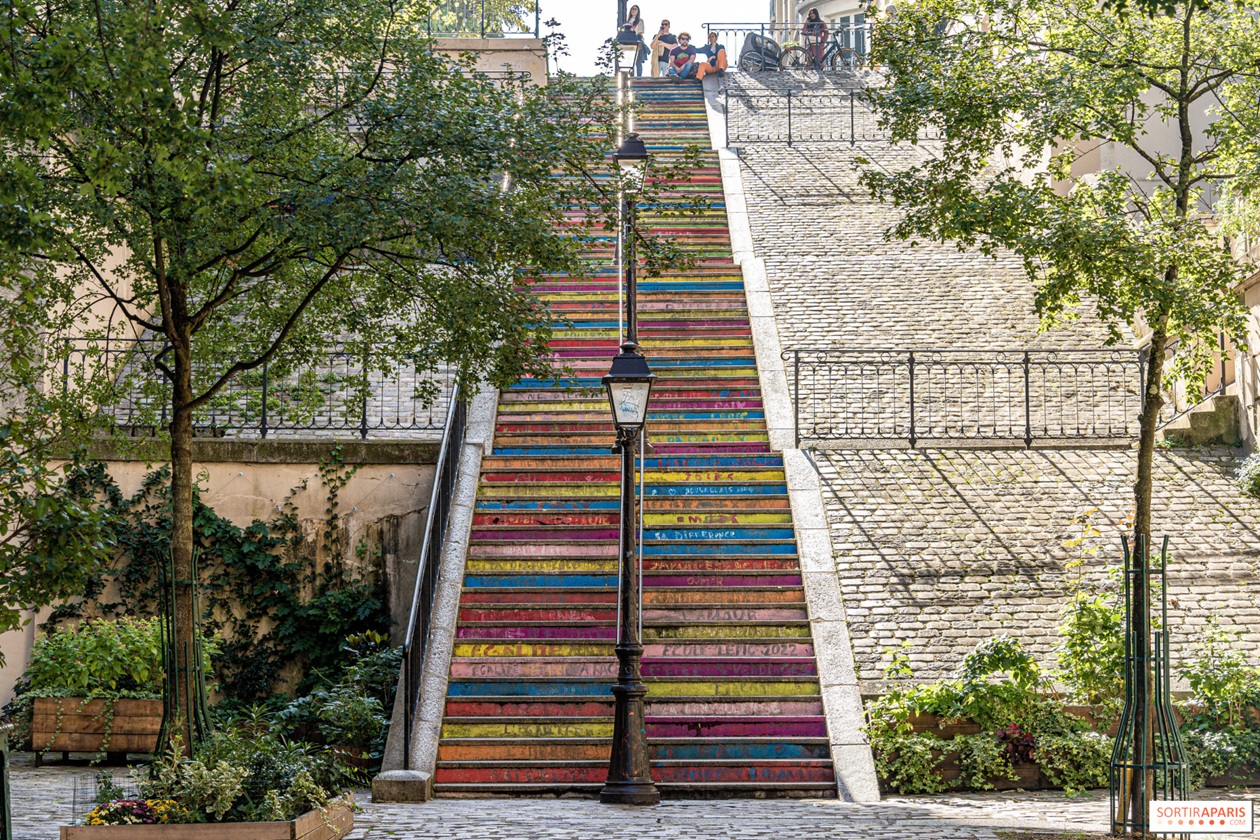
The Classic Climb 🏛️ #5 • Montmartre: The Bohemian Peak

The Classic Climb

Ascend to the Sacré-Cœur, winding through the bustling Place du Tertre and the iconic cobblestone streets of the hilltop village.

Explore Audio Guide →
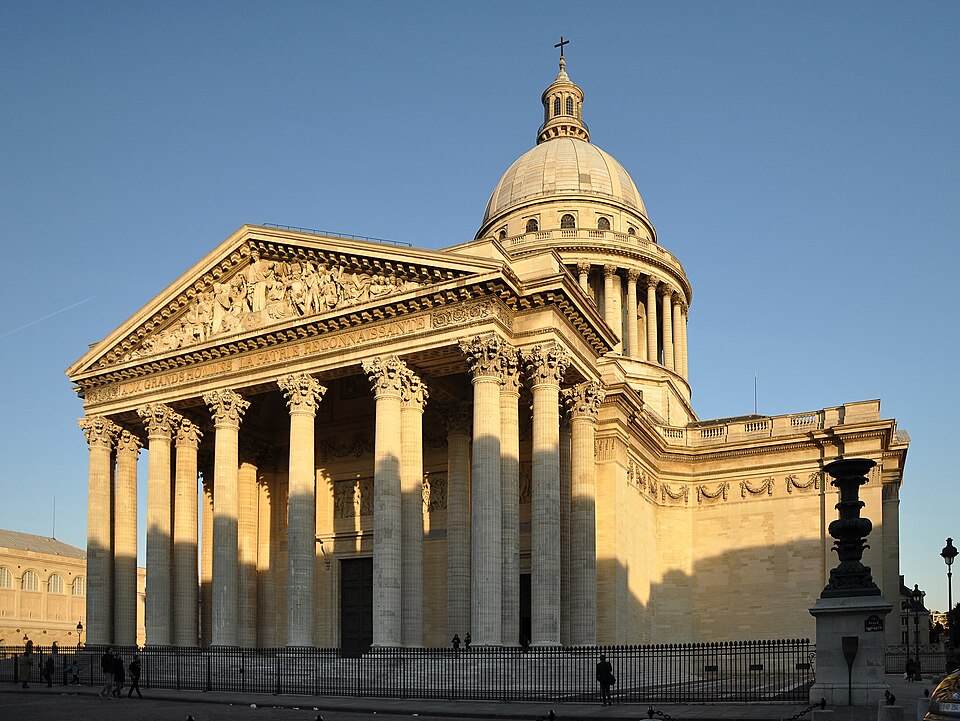
The Heart of the Left Bank 🏛️ #6 • The Latin Quarter & Saint-Germain

The Heart of the Left Bank

Walk the historic student quarter, exploring the monumental Panthéon, the Sorbonne University, and the lively Boulevard Saint-Michel.

Explore Audio Guide →
The Golden Age Mansions 🏛️ #7 • Le Marais: Aristocrats to Avant-Garde

The Golden Age Mansions

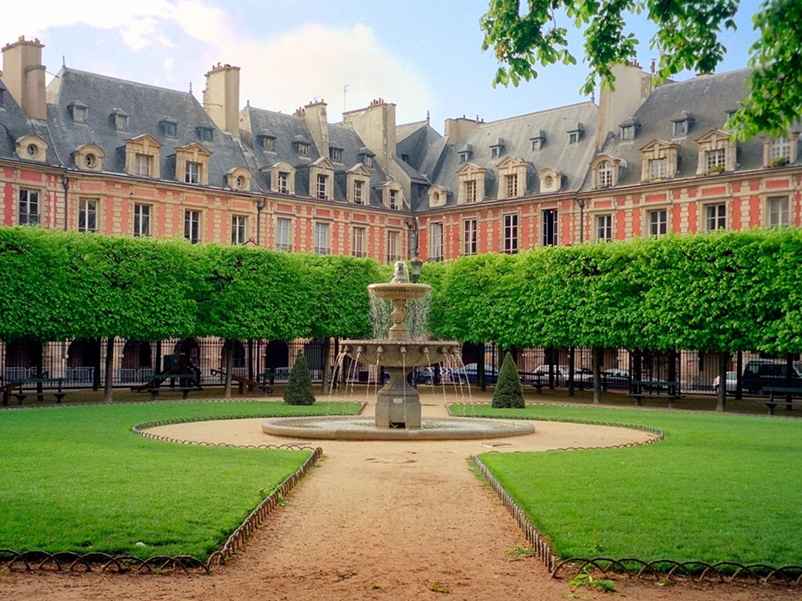
Discover the spectacular 17th-century Hôtels Particuliers (private palaces) and the breathtaking symmetry of the Place des Vosges.

Explore Audio Guide →
The Iron Lady & The Seine 🏛️ #8 • The Triumphal Way: Eiffel & The Grand Boulevards

The Iron Lady & The Seine

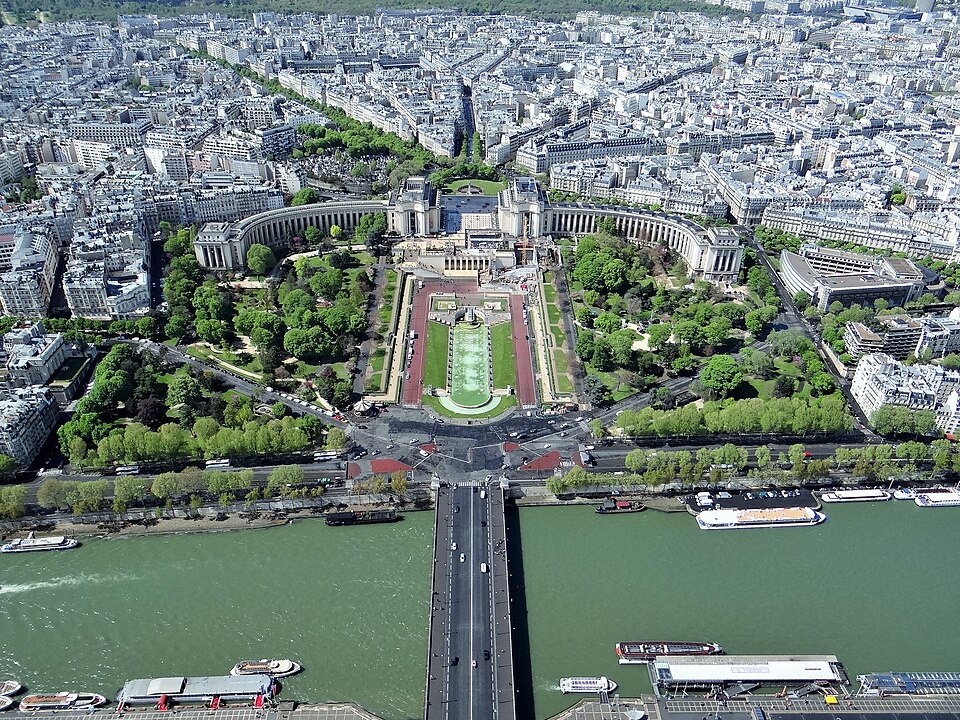
The ultimate photo route. Explore the Trocadéro, the architectural marvel of the Eiffel Tower, and the beautiful bridges of the Seine.

Explore Audio Guide →

Frequently Asked Questions

Why was the Seine River so important to the Celtic Parisii?

The Seine functioned as a continental trade corridor connecting the British Isles and the Atlantic coast with eastern Gaul and the Mediterranean. By controlling its narrowest crossing, the Parisii collected transit tolls and managed shipments of tin, wine, and furs.

What makes Parisii gold staters internationally famous today?

Parisii gold staters are revered for their brilliant, stylized Celtic aesthetics, featuring flowing abstract horses and intricate geometric canopies. Minted in high-karat gold during the first century BC, they reflect extraordinary metallurgy and economic sovereignty just prior to Roman conquest.

Where can visitors see artifacts of the ancient Parisii merchants today?

Key artifacts, including stunning gold staters, dredged river tools, and early ceramics, are on display at the Musée Carnavalet in the Marais and the National Archaeological Museum at the Château de Saint-Germain-en-Laye just west of Paris.

How did early Celtic boatmen influence modern symbols of Paris?

The river navigators formed the historic root of the Parisian merchant guild. Their legacy directly inspired the city of Paris coat of arms, which depicts a sailing vessel navigating the waters alongside the Latin motto Fluctuat nec mergitur.

⏳ Continue This Paris Historical Era

Paris Smart Guide
★★★★★ 4.8 • FREE APP • OFFLINE GPS
Hear Paris's Hidden Stories
Your Personal Audio Guide • 10 Languages
🎧 Download