









🏺 Ancient & Historical Paris Video Chronicles (Before 52 BC – 1789 AD)
⏳ #10 • 508 AD
🎬 Watch the 20-second video preview, then listen to the cliffhanger audio teaser ← Explore All App Features
🎬 20-Second AI Historical Reconstruction Preview
0:00 / 0:20
20s PREVIEW
🎧 Continue Listening — Audio Teaser

“Beyond the battlements of the ancient island fortress, King Clovis laid the foundation for the French nation. But what forgotten treasures lie buried beneath the Latin Quarter from this dark age of warrior kings? Discover the lost royal basilica and explore early medieval Paris with the free Paris Smart Guide app today.”

Unlock the full historical reconstruction video & complete story in the free Paris Smart Guide app.

Era III: Early Medieval Paris (300 – 1000 AD)

The Rise of the Franks: Clovis Crowns Paris as Royal Capital

A warrior king unites Gaul and establishes Paris as the royal seat.

In 508 AD, the muddy banks of the Seine witnessed a profound geopolitical rebirth. Roman authority had collapsed, yet ancient Lutetia did not perish. Instead, the Salian Frankish warlord King Clovis entered the fortified Île de la Cité, declaring this strategic river junction the official capital of his united Frankish kingdom.

🎧 Continue Listening — Audio Teaser

“Beyond the battlements of the ancient island fortress, King Clovis laid the foundation for the French nation. But what forgotten treasures lie buried beneath the Latin Quarter from this dark age of warrior kings? Discover the lost royal basilica and explore early medieval Paris with the free Paris Smart Guide app today.”

From Roman Garrison to Royal Bastion

When Clovis chose Paris, he looked upon a landscape transformed by upheaval. The sprawling Roman town of the Left Bank had largely contracted behind late antique ramparts onto the Île de la Cité. Clovis recognized the unmatched military and economic potential of this river stronghold. By establishing his royal court here, he bridged two worlds: Germanic warrior customs and the administrative prestige of former imperial governors. In the old governor's palace—the modern site of the Palais de Justice—the Frankish king held council, blending barbarian tribal loyalty with enduring Romano-Gallic law.
The Cross and the Sacred Hill

Following his historic battlefield vow and subsequent baptism in Reims, Clovis cemented a crucial alliance with the Catholic Church. Influenced deeply by his wife Clotilde and the venerable protector of the city, Saint Geneviève, Clovis directed his royal treasury toward sacred architecture. Atop the hill overlooking the southern shore, he broke ground on the Basilica of the Holy Apostles, later rededicated to Saint Geneviève. This monument anchored Christian Paris, transforming a formerly pagan skyline into a realm of basilicas, gold reliquaries, and divine authority.

Merovingian Relics Beneath the Modern City

Beneath modern Paris lie extraordinary traces of this Merovingian transformation. In 511 AD, Clovis was entombed on the Left Bank hill beside Geneviève, consecrated under the soil that now supports the Panthéon. Centuries of rebuilding swallowed the original basilica, yet its medieval bell tower, the Clovis Tower within Lycée Henri-IV, still pierces the sky. Archaeologists excavating beneath the cathedral parvis and along the Seine frequently unearth Merovingian stone sarcophagi, intricate cloisonné garnets, and weapons, revealing a refined warrior aristocracy that infused classical Roman stone with Frankish metallurgy.

The Birth of the French Capital Identity

By selecting Paris over older Roman capitals like Lyon or Soissons, Clovis irrevocably sealed the destiny of the city. Though his realm fractured among his heirs, Paris remained the indivisible crown jewel of the Merovingian dynasty. The city evolved from an isolated provincial outpost into the permanent symbolic heart of the emerging French kingdom. Every dynasty that followed inherited this foundational geography: royal administration focused on the central island fortress, while monasteries expanded outwards across the fertile banks of the Seine.

🔒 FULL HISTORICAL NARRATION & VIDEO

Continue Watching & Reading in the App

Scan the QR code on the Floating App Card at the bottom-right of your screen to watch the full AI Paris reconstruction video and read the complete story for free.

Download the free Paris Smart Guide app on iOS or Android to watch the full AI historical video and read the complete story.

📲 Get the Free App Now
🎧 STEP INSIDE THE MONUMENTS

Explore Our 8 Flagship Interactive Paris Audio Tours

Go beyond the historical chronicles—walk Paris's greatest museums and historic neighborhoods with offline GPS & interactive AI audio guides.

The 1-Hour Masterpiece Dash 🏛️ #1 • The Louvre Museum

The 1-Hour Masterpiece Dash

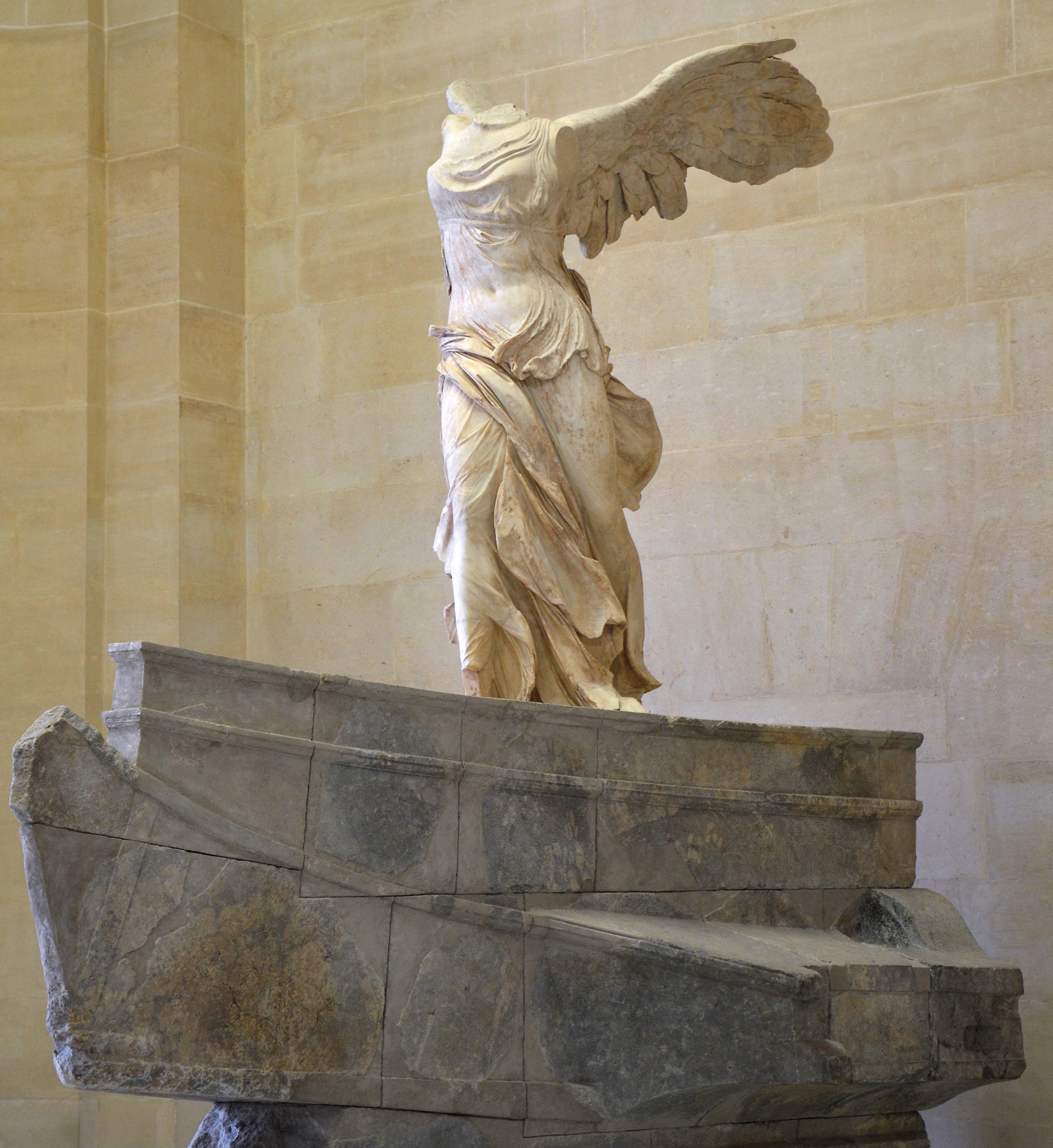
Short on time? See the Mona Lisa, Venus de Milo, and Winged Victory before the crowds arrive.

Explore Audio Guide →
The Impressionist Revolution 🏛️ #2 • Musée d'Orsay

The Impressionist Revolution

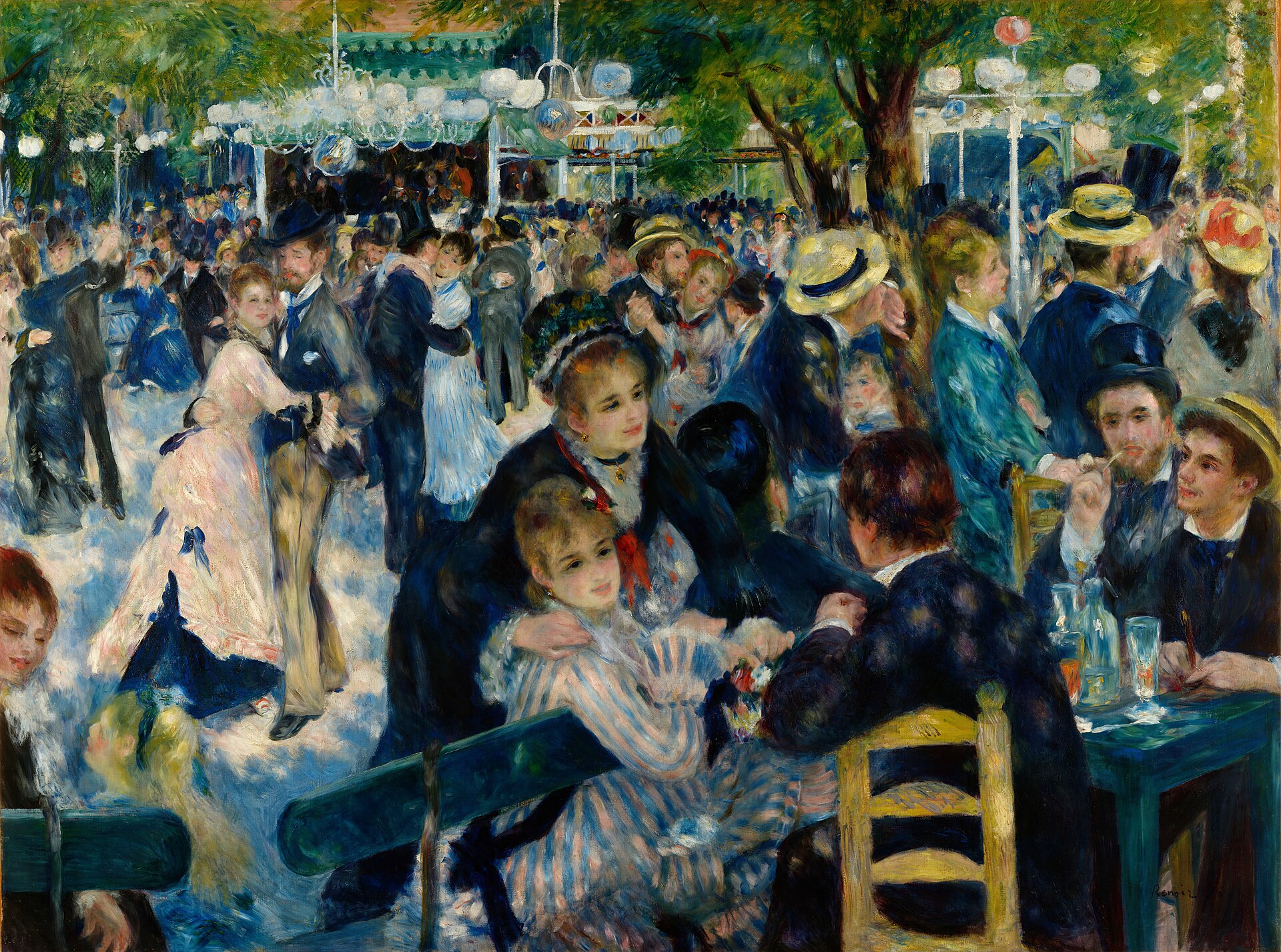
Witness the birth of modern art through the defining masterpieces of Monet, Renoir, and Van Gogh.

Explore Audio Guide →
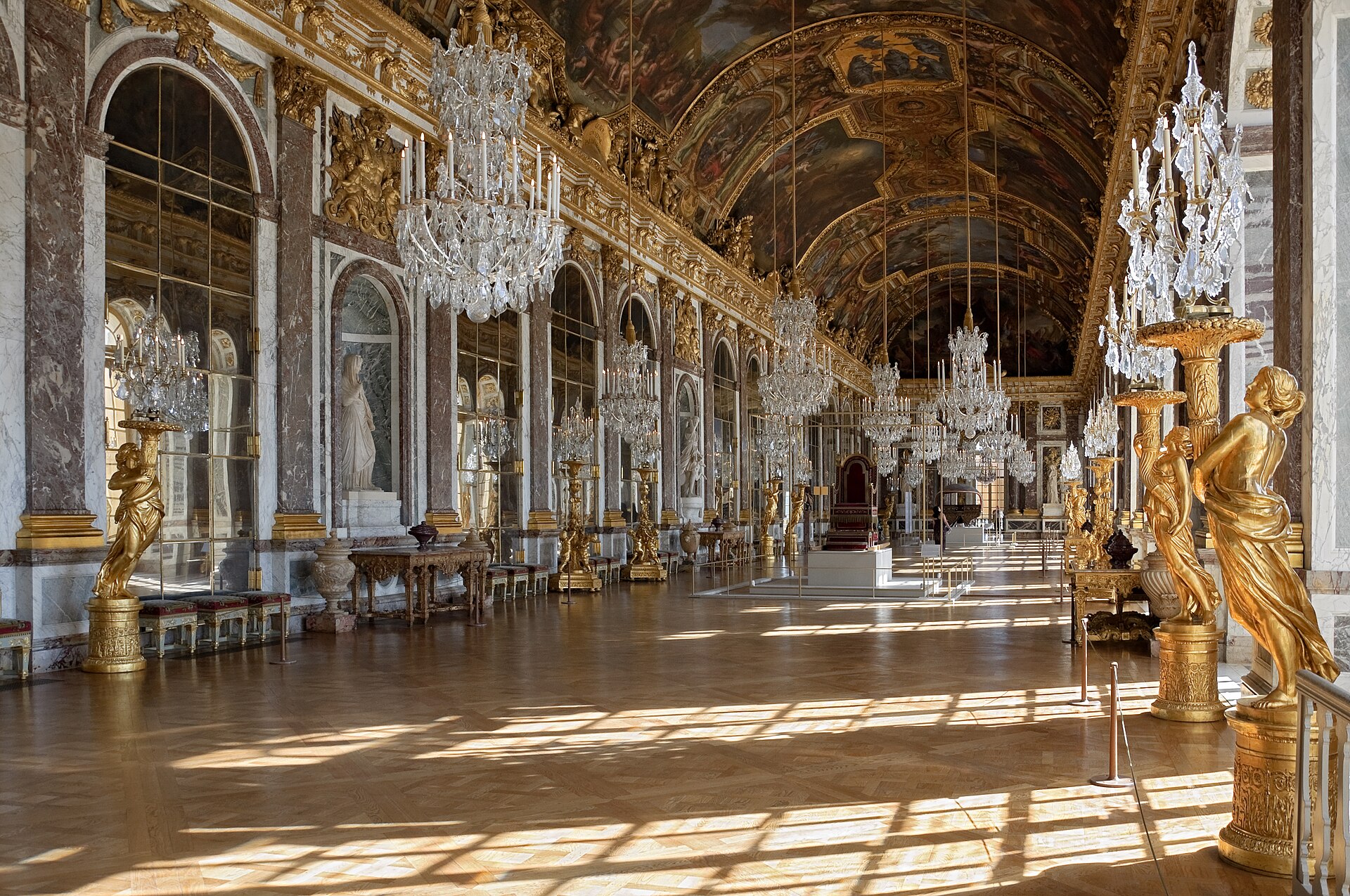
The Sun King's Court 🏛️ #3 • Palace of Versailles

The Sun King's Court

Walk the halls of absolute power, focusing on the ceremonial life of Louis XIV and the staggering wealth of the French monarchy.

Explore Audio Guide →
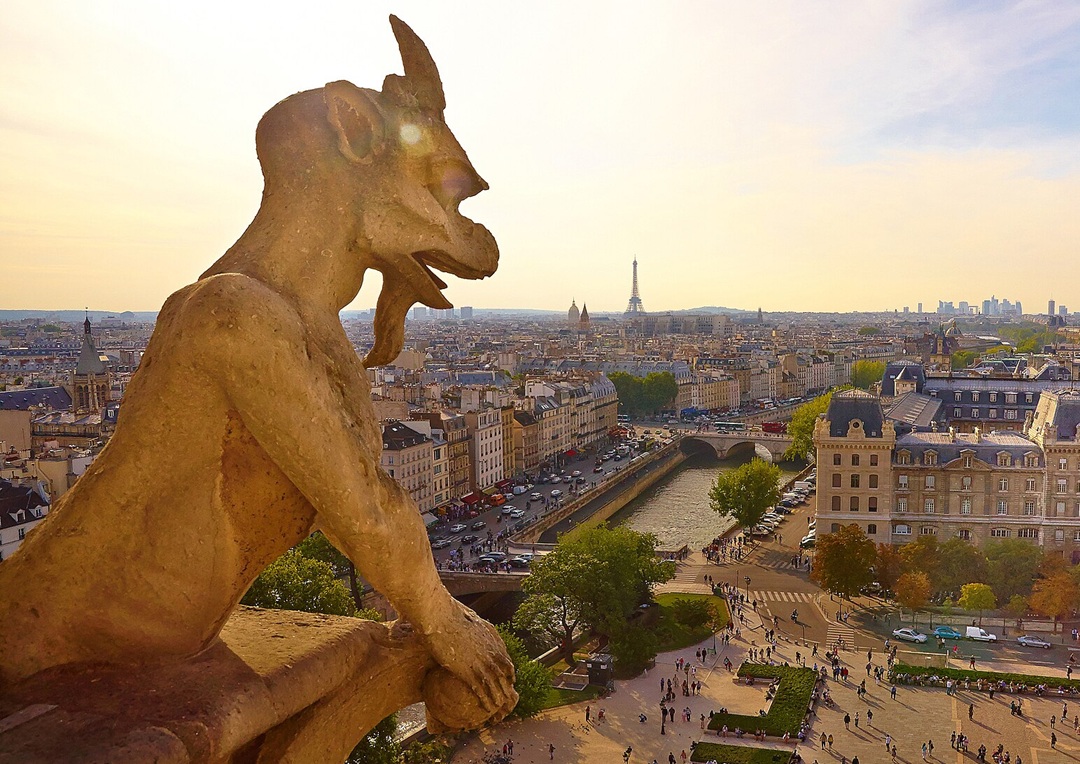
Notre-Dame: The Gothic Heart 🏛️ #4 • Île de la Cité & Notre-Dame

Notre-Dame: The Gothic Heart

Walk the perimeter and interior of the world's most famous cathedral, exploring its gothic engineering, its survival, and its 2024–2025 resurrection.

Explore Audio Guide →
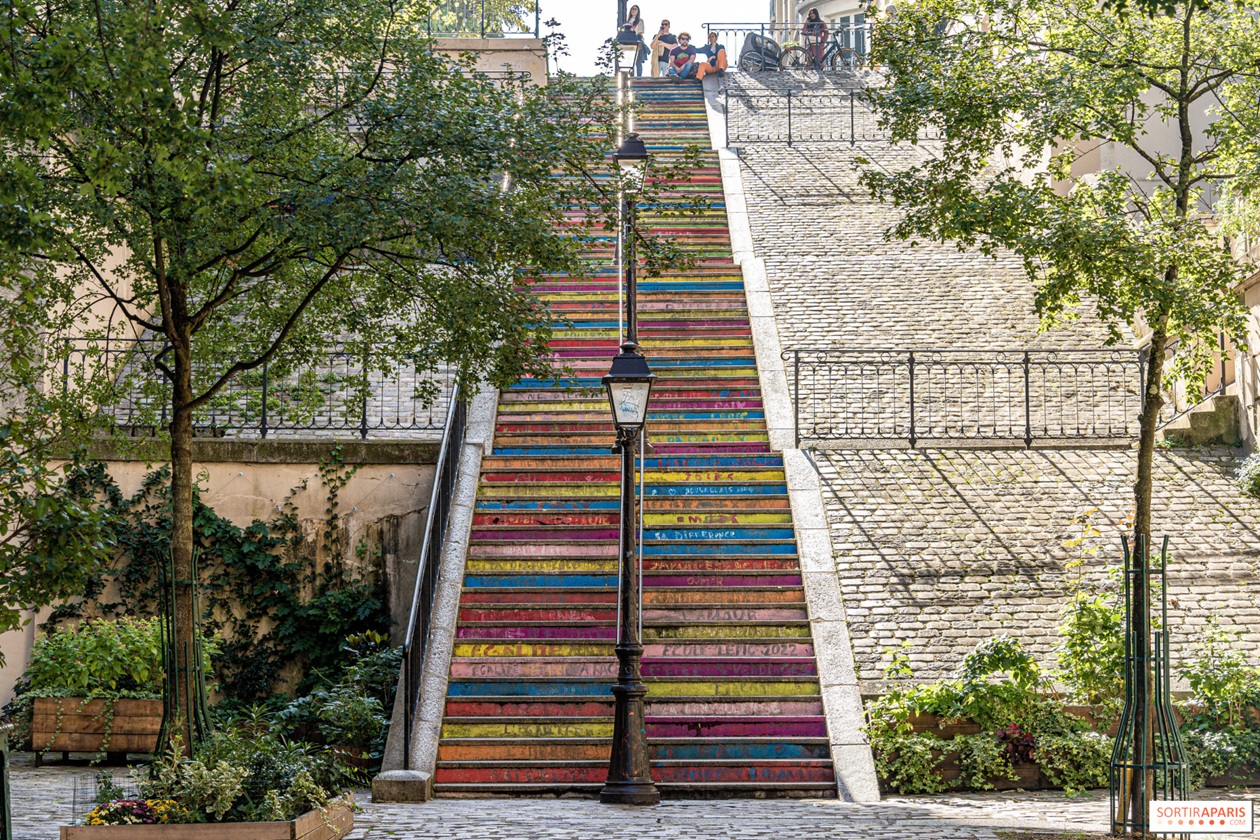
The Classic Climb 🏛️ #5 • Montmartre: The Bohemian Peak

The Classic Climb

Ascend to the Sacré-Cœur, winding through the bustling Place du Tertre and the iconic cobblestone streets of the hilltop village.

Explore Audio Guide →
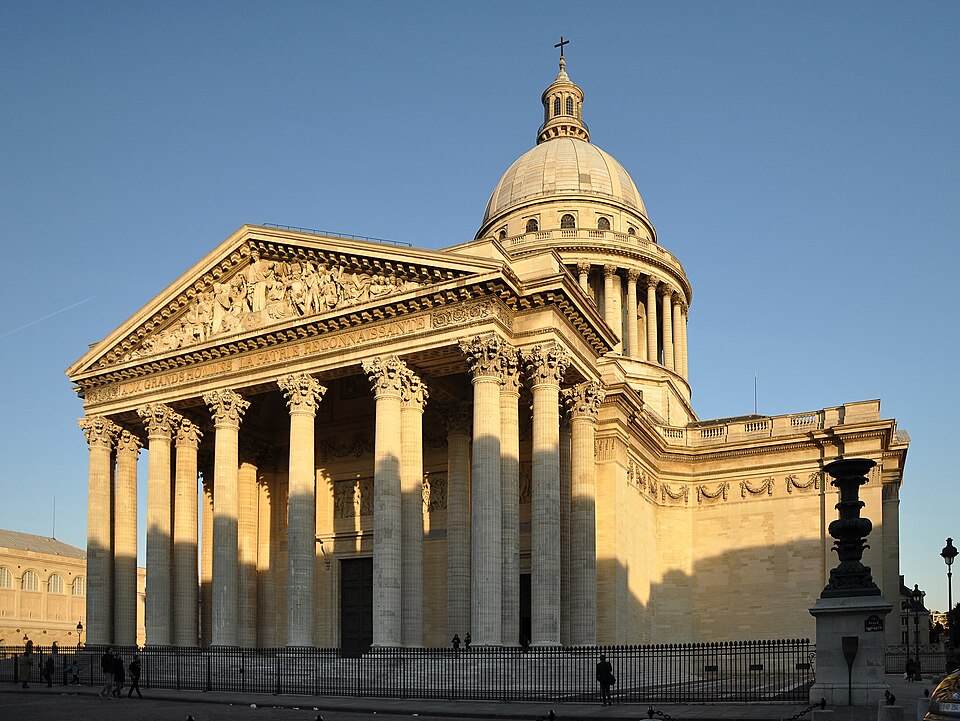
The Heart of the Left Bank 🏛️ #6 • The Latin Quarter & Saint-Germain

The Heart of the Left Bank

Walk the historic student quarter, exploring the monumental Panthéon, the Sorbonne University, and the lively Boulevard Saint-Michel.

Explore Audio Guide →
The Golden Age Mansions 🏛️ #7 • Le Marais: Aristocrats to Avant-Garde

The Golden Age Mansions

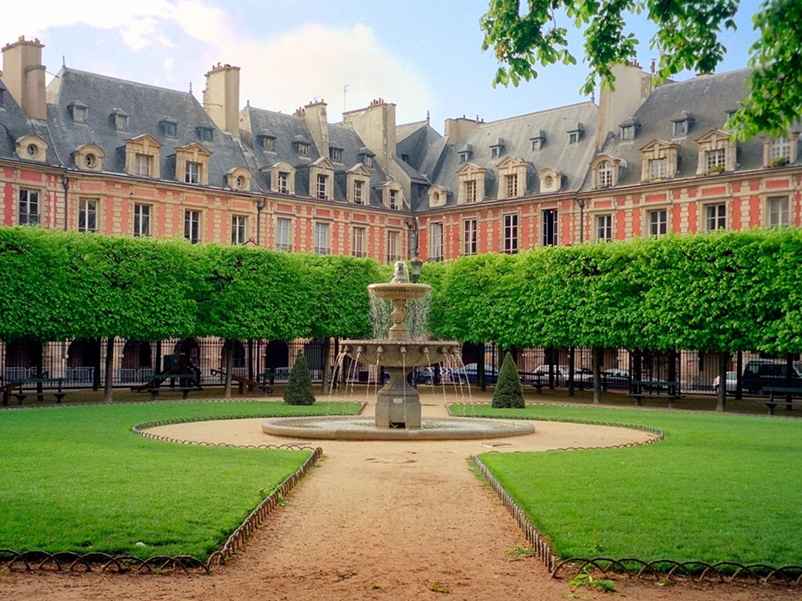
Discover the spectacular 17th-century Hôtels Particuliers (private palaces) and the breathtaking symmetry of the Place des Vosges.

Explore Audio Guide →
The Iron Lady & The Seine 🏛️ #8 • The Triumphal Way: Eiffel & The Grand Boulevards

The Iron Lady & The Seine

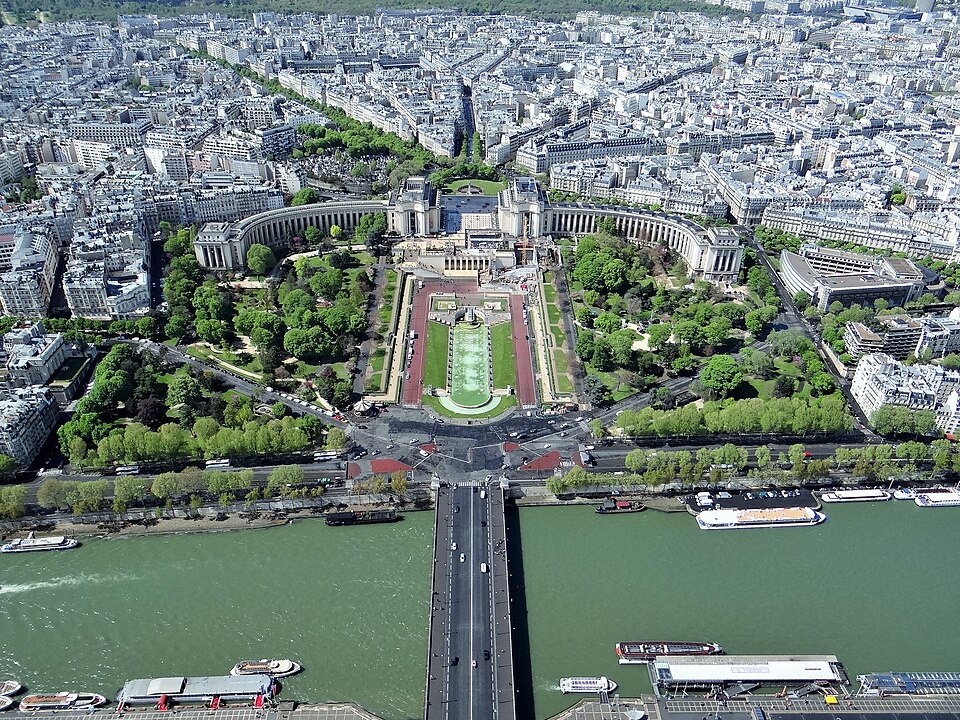
The ultimate photo route. Explore the Trocadéro, the architectural marvel of the Eiffel Tower, and the beautiful bridges of the Seine.

Explore Audio Guide →

Frequently Asked Questions

Why did Clovis choose Paris as his capital in 508 AD?

Clovis chose Paris because of its exceptional geographic and military position. The fortified Île de la Cité offered natural defense against rival kingdoms, controlled crucial Seine trade routes, and provided direct overland connections across northern and southern Gaul.

Where was the royal residence of Clovis located in Paris?

Clovis established his royal seat on the western tip of the Île de la Cité, reusing the former Roman governor palace. This strategic complex later developed into the medieval Palais de la Cité and today encompasses the Conciergerie and Palais de Justice.

Can you see any remains of Clovis's basilica in Paris today?

Yes. While the original Basilica of the Holy Apostles was replaced over time, the Clovis Tower survives today inside the courtyard of Lycée Henri-IV, standing right beside the Panthéon on the historic Montagne Sainte-Geneviève.

Where was King Clovis buried when he died in 511 AD?

Clovis was buried in the church he founded on the Left Bank hill, alongside Queen Clotilde and Saint Geneviève. During the French Revolution, the medieval church was demolished, but his symbolic funerary effigy remains preserved at the Basilica of Saint-Denis.

⏳ Continue This Paris Historical Era

Paris Smart Guide
★★★★★ 4.8 • FREE APP • OFFLINE GPS
Hear Paris's Hidden Stories
Your Personal Audio Guide • 10 Languages
🎧 Download