









🏺 Ancient & Historical Paris Video Chronicles (Before 52 BC – 1789 AD)
⏳ #16 • 13th c. AD
🎬 Watch the 20-second video preview, then listen to the cliffhanger audio teaser ← Explore All App Features
🎬 20-Second AI Historical Reconstruction Preview
0:00 / 0:20
20s PREVIEW
🎧 Continue Listening — Audio Teaser

“Beneath the bustling streets of Paris lies the true engine of medieval Europe, where gold changers on covered bridges and ruthless river guilds dictated continental trade. Discover the hidden archaeological remnants of Les Halles and long-lost guilds. Unlock the full video reconstruction and complete story now in the Paris Smart Guide app.”

Unlock the full historical reconstruction video & complete story in the free Paris Smart Guide app.

Era IV: High Medieval Paris (1000 – 1300 AD)

The Crossroads of Europe: High Medieval Commerce in Paris

How Flemish cloth, Italian silver, and river guilds forged Europe’s wealthiest medieval metropolis.

By the thirteenth century, Paris was no longer merely a royal sanctuary or scholar's retreat; it had transformed into Western Europe’s supreme commercial turnstile. Along the teeming riverbanks of the Seine, foreign accents mingled with the clinking of foreign coin as the great fairs of Saint-Germain and the markets of Les Champeaux drew merchant caravans from across Christendom.

🎧 Continue Listening — Audio Teaser

“Beneath the bustling streets of Paris lies the true engine of medieval Europe, where gold changers on covered bridges and ruthless river guilds dictated continental trade. Discover the hidden archaeological remnants of Les Halles and long-lost guilds. Unlock the full video reconstruction and complete story now in the Paris Smart Guide app.”

The River Monopolies and the Water Merchants

Long before royal administrators standardized municipal governance, commerce flowed through the unyielding iron grip of the Hanse des marchands d'eau. Granted sweeping monopolies over riverine trade, these elite river merchants controlled every grain barge, wine barrel, and timber raft gliding downstream toward the bustling Place de Grève. Their heraldic galley would eventually become the permanent emblem on the coat of arms of Paris. Here at the riverside docks, steep cargo tolls enriched the city treasury, financing defensive expansions and establishing commercial courts that settled international disputes between visiting Flemish weavers, Norman cider peddlers, and Parisian vintners with swift, pragmatic justice.
Pont au Change and the Financial Revolution

As international caravans flooded the Right Bank, exchange rates posed an immediate logistical challenge. In response, King Louis VII ordered all currency transactions concentrated onto the Grand Pont, soon rechristened as the Pont au Change. Here, over a hundred licensed money changers set up precarious timber stalls suspended over the surging waters of the Seine. These financial pioneers weighed foreign florins, groschen, and ducats against the royal tournois using calibrated scales:

  • Detecting debased metals with touchstones
  • Issuing rudimentary letters of credit
  • Channeling European bullion directly into the growing urban apparatus of Philip Augustus’s kingdom.

Les Halles and the Great Covered Markets

To prevent commercial chaos from suffocating residential quarters, King Philip Augustus established Les Champeaux, later famously celebrated by Émile Zola as the belly of Paris. By enclosing open fields northwest of the city walls within gated timber market halls, the crown organized trades into strictly segregated arcades. Leatherworkers, drapery vendors, and spice merchants operated beneath roofed timber stalls patrolled by royal bailiffs. Even today, echoes of this medieval layout survive in surrounding street names like Rue de la Ferronnerie and Rue de la Grande Friperie, preserving the exact micro-geography where Europe’s richest raw goods were taxed and traded.

Archaeological Traces of Guild Power Today

Beneath the bustling pavement of modern Paris, tangible structural markers of this mercantile golden age endure. At the Hôtel des Abbés de Fécamp and beneath the contemporary Île de la Cité, archaeological excavations consistently unearth coin balances, imported Italian majolica, and wax seal rings belonging to medieval trading houses. Even the Gothic masterpiece of Notre-Dame preserves this commercial legacy within its stone fabric, where wealthy craft guilds funded radiant stained-glass windows to display their shoemaking, furrier, and cooper trades alongside saints, permanently sanctifying the profane wealth that propelled Paris into an undeniable continental powerhouse.

🔒 FULL HISTORICAL NARRATION & VIDEO

Continue Watching & Reading in the App

Scan the QR code on the Floating App Card at the bottom-right of your screen to watch the full AI Paris reconstruction video and read the complete story for free.

Download the free Paris Smart Guide app on iOS or Android to watch the full AI historical video and read the complete story.

📲 Get the Free App Now
🎧 STEP INSIDE THE MONUMENTS

Explore Our 8 Flagship Interactive Paris Audio Tours

Go beyond the historical chronicles—walk Paris's greatest museums and historic neighborhoods with offline GPS & interactive AI audio guides.

The 1-Hour Masterpiece Dash 🏛️ #1 • The Louvre Museum

The 1-Hour Masterpiece Dash

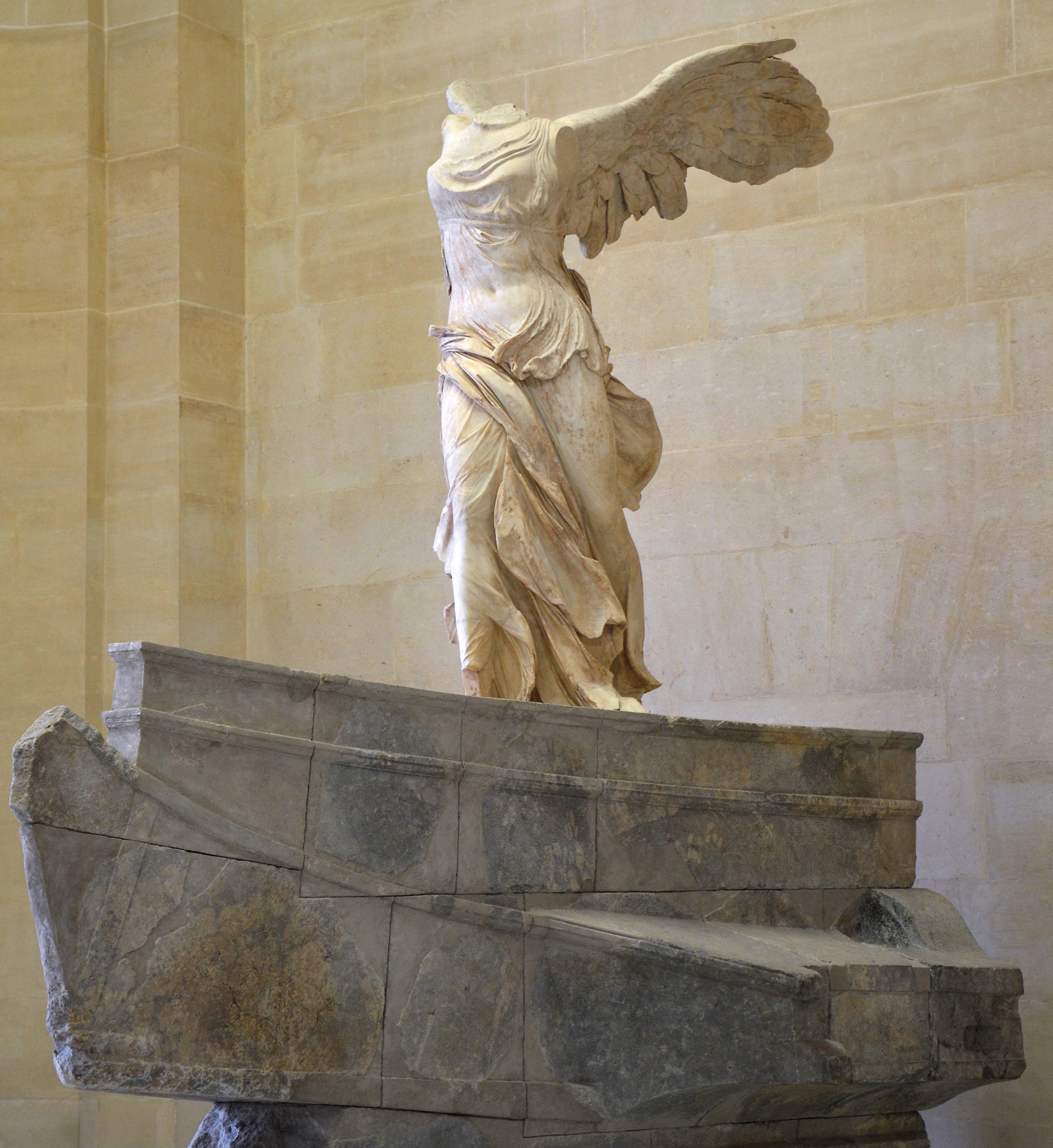
Short on time? See the Mona Lisa, Venus de Milo, and Winged Victory before the crowds arrive.

Explore Audio Guide →
The Impressionist Revolution 🏛️ #2 • Musée d'Orsay

The Impressionist Revolution

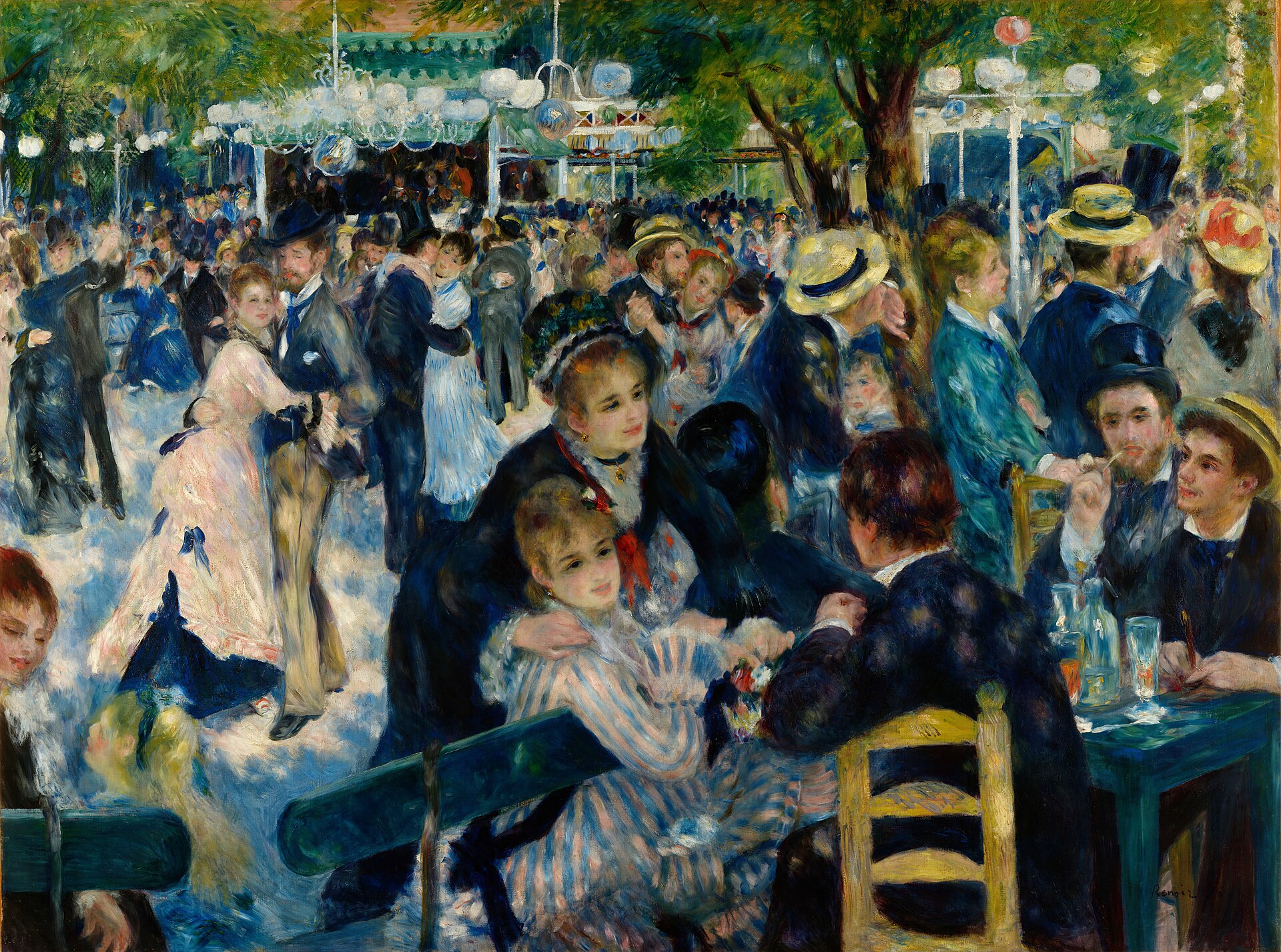
Witness the birth of modern art through the defining masterpieces of Monet, Renoir, and Van Gogh.

Explore Audio Guide →
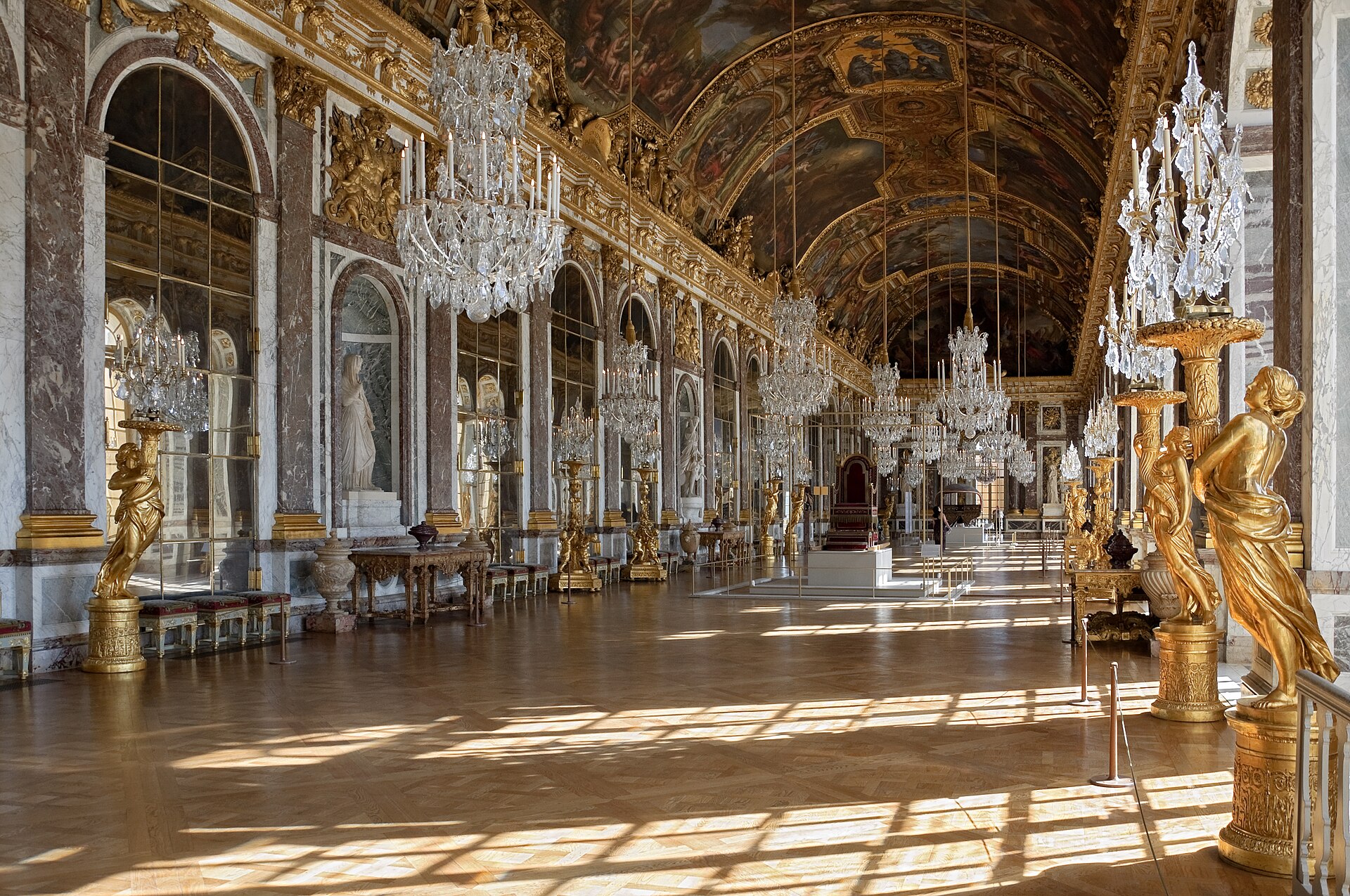
The Sun King's Court 🏛️ #3 • Palace of Versailles

The Sun King's Court

Walk the halls of absolute power, focusing on the ceremonial life of Louis XIV and the staggering wealth of the French monarchy.

Explore Audio Guide →
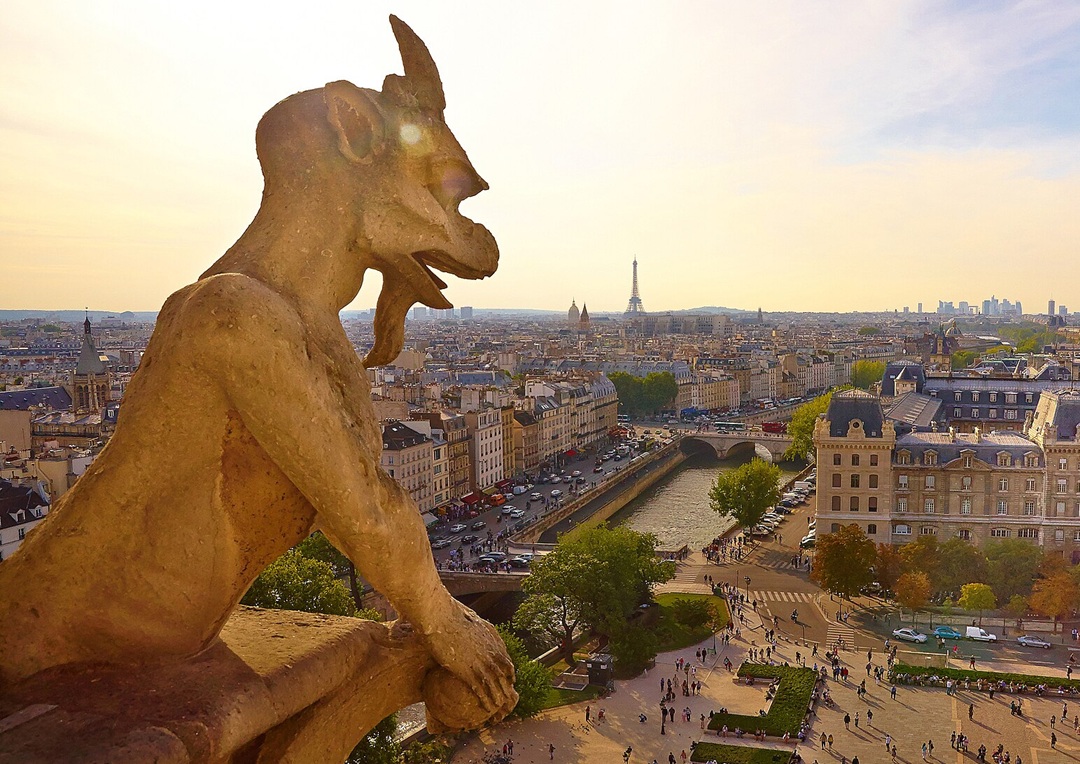
Notre-Dame: The Gothic Heart 🏛️ #4 • Île de la Cité & Notre-Dame

Notre-Dame: The Gothic Heart

Walk the perimeter and interior of the world's most famous cathedral, exploring its gothic engineering, its survival, and its 2024–2025 resurrection.

Explore Audio Guide →
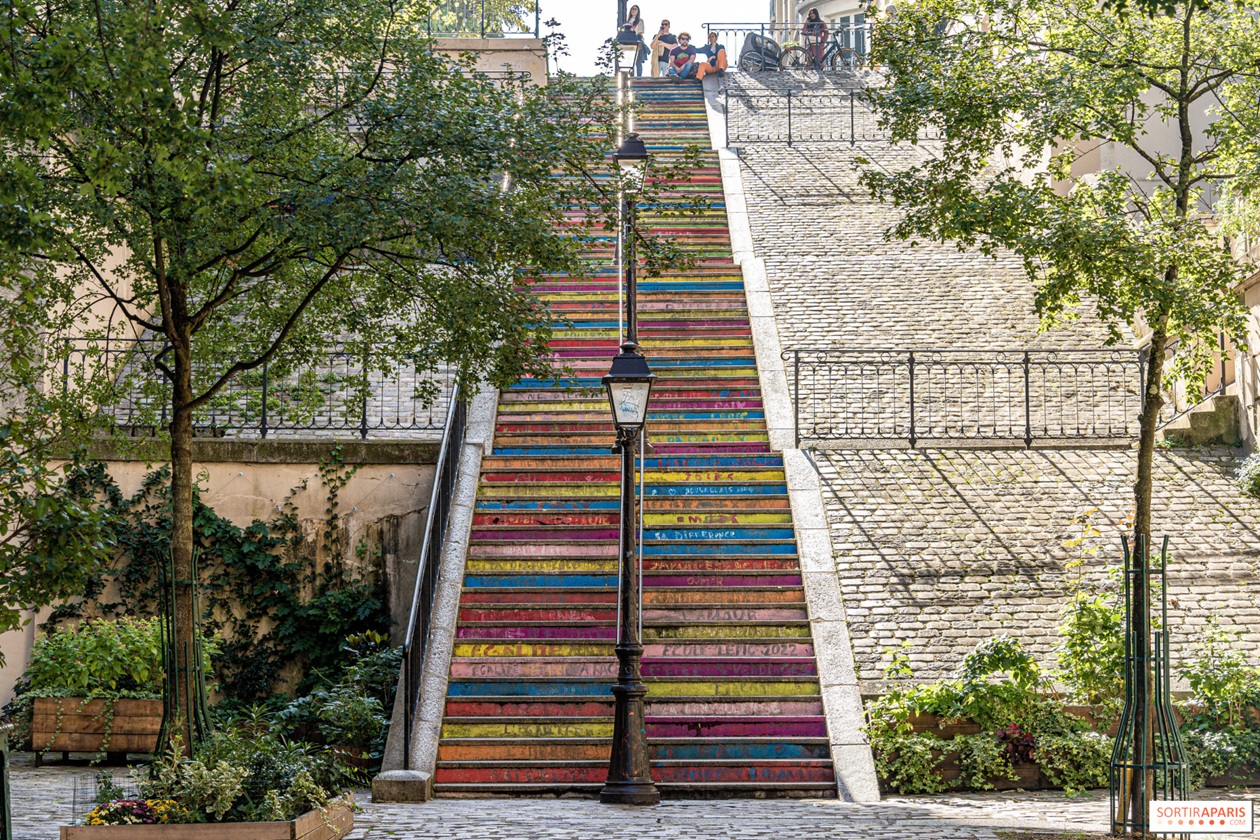
The Classic Climb 🏛️ #5 • Montmartre: The Bohemian Peak

The Classic Climb

Ascend to the Sacré-Cœur, winding through the bustling Place du Tertre and the iconic cobblestone streets of the hilltop village.

Explore Audio Guide →
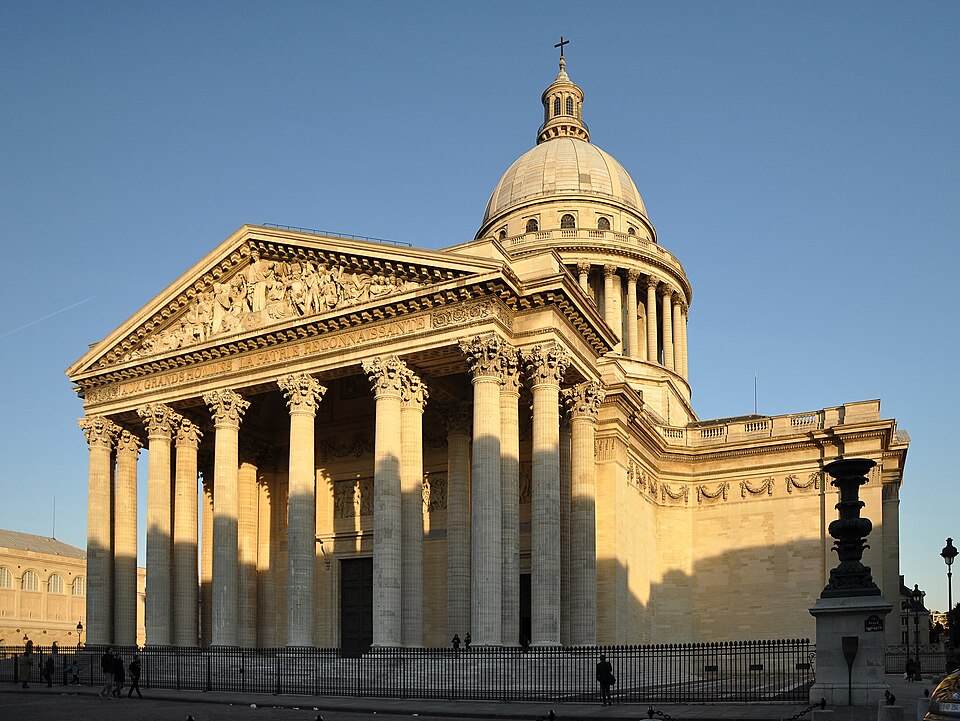
The Heart of the Left Bank 🏛️ #6 • The Latin Quarter & Saint-Germain

The Heart of the Left Bank

Walk the historic student quarter, exploring the monumental Panthéon, the Sorbonne University, and the lively Boulevard Saint-Michel.

Explore Audio Guide →
The Golden Age Mansions 🏛️ #7 • Le Marais: Aristocrats to Avant-Garde

The Golden Age Mansions

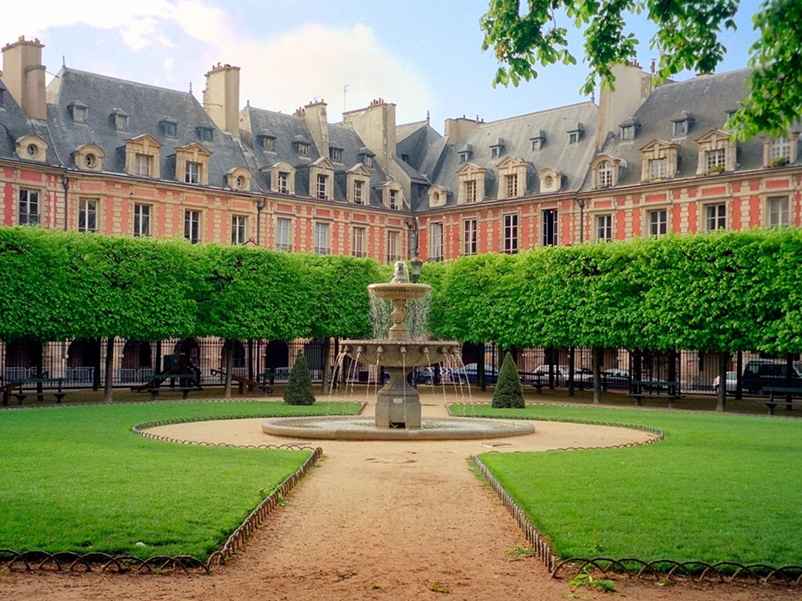
Discover the spectacular 17th-century Hôtels Particuliers (private palaces) and the breathtaking symmetry of the Place des Vosges.

Explore Audio Guide →
The Iron Lady & The Seine 🏛️ #8 • The Triumphal Way: Eiffel & The Grand Boulevards

The Iron Lady & The Seine

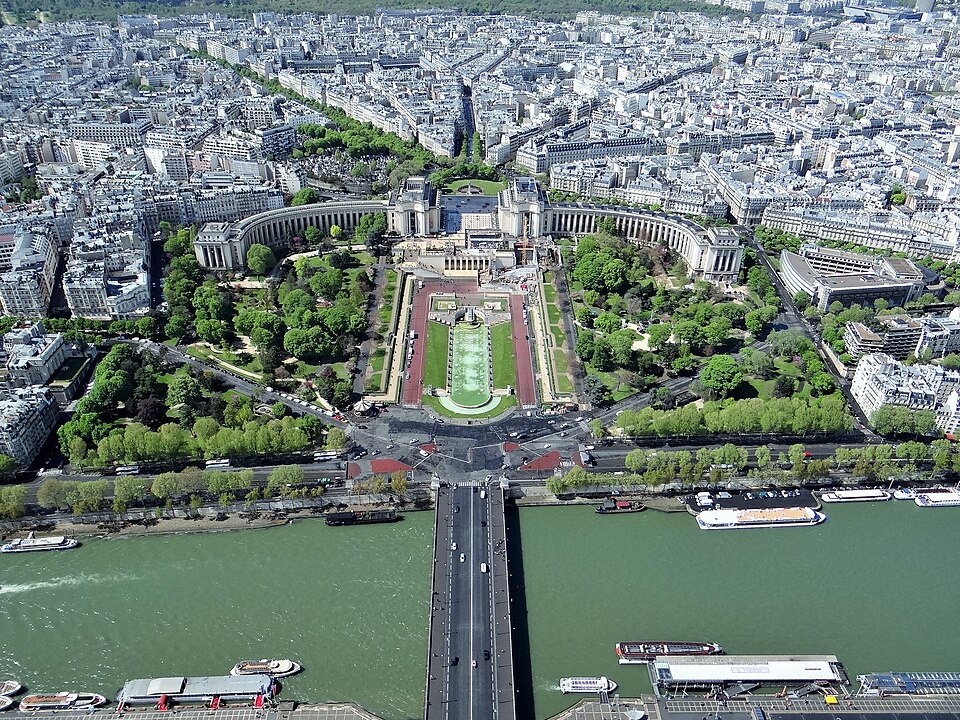
The ultimate photo route. Explore the Trocadéro, the architectural marvel of the Eiffel Tower, and the beautiful bridges of the Seine.

Explore Audio Guide →

Frequently Asked Questions

Why was the Pont au Change named after money changers?

In the twelfth and thirteenth centuries, royal decree concentrated foreign exchange brokers on this bridge. Because travelers arrived with disparate European currencies, licensed money changers weighed gold and silver coins upon wooden counters to exchange them for official Parisian currency.

What was the Hanse des marchands d'eau in medieval Paris?

The Hanse was an elite guild of Seine river merchants possessing a royal monopoly over waterborne cargo. Led by the provost of merchants, they regulated shipping, collected port duties at Place de Grève, and ultimately provided Paris with its historical municipal council and coat of arms.

Where did medieval Parisians buy their daily food and goods?

Most commerce occurred at Les Champeaux, established by King Philip Augustus in 1183, which developed into the legendary Les Halles central market. Additionally, regional open-air trade fairs operated across the river at Place de Grève and outside the city gates at Saint-Germain-des-Prés.

Can you see physical remnants of 13th-century markets in Paris today?

While the wooden stalls vanished, street names around Les Halles like Rue de la Ferronnerie (ironmongers) trace the medieval guild locations. Deep underground, excavations around the Louvre, Pont au Change, and the Crypte Archéologique reveal scales, tokens, and medieval stone wharves.

⏳ Continue This Paris Historical Era

Paris Smart Guide
★★★★★ 4.8 • FREE APP • OFFLINE GPS
Hear Paris's Hidden Stories
Your Personal Audio Guide • 10 Languages
🎧 Download