









🏺 Ancient & Historical Paris Video Chronicles (Before 52 BC – 1789 AD)
⏳ #19 • 1546–1680 AD
🎬 Watch the 20-second video preview, then listen to the cliffhanger audio teaser ← Explore All App Features
🎬 20-Second AI Historical Reconstruction Preview
0:00 / 0:20
20s PREVIEW
🎧 Continue Listening — Audio Teaser

“Beneath the glittering Cour Carrée lies the entombed fortress that once guarded medieval Paris. Discover how Renaissance kings demolished brooding keeps to fashion a theater of absolute monarchy in shimmering limestone. Uncover the sunken moats and forgotten royal chambers by unlocking the full video experience inside the Paris Smart Guide app today.”

Unlock the full historical reconstruction video & complete story in the free Paris Smart Guide app.

Era V: Late Medieval to Enlightenment Paris (1300 – 1789 AD)

The Louvre Transformed: From Feudal Bastion to Renaissance Stage

Witness the fortress cast off its armor to embrace royal classical splendor.

Along the Right Bank of the Seine, the grim shadows of feudal warfare began to yield to luminous classicism. In 1546, King Francis I ordered the dismantling of Philippe Auguste's forbidding medieval keep. Over the next century, master architects reshaped the Louvre, trading arrow slits for sculpted limestone friezes and transforming defensive ramparts into an opulent theater of absolute royal power.

🎧 Continue Listening — Audio Teaser

“Beneath the glittering Cour Carrée lies the entombed fortress that once guarded medieval Paris. Discover how Renaissance kings demolished brooding keeps to fashion a theater of absolute monarchy in shimmering limestone. Uncover the sunken moats and forgotten royal chambers by unlocking the full video experience inside the Paris Smart Guide app today.”

Razing the Grosse Tour: An Architectural Rebirth

For over three centuries, the imposing Grosse Tour had dominated western Paris as a menacing symbol of feudal subjugation. However, the Italian Wars introduced French monarchs to humanist aesthetics, grand vistas, and open-air courtyards. In 1528, Francis I initiated the keep's demolition, an unthinkable desecration to medieval traditionalists that liberated precious space within the courtyard. Architect Pierre Lescot and master sculptor Jean Goujon were commissioned to design a new royal palace. Their collaboration fused French pitched-roof traditions with classical Roman pediments, pilasters, and intricate Corinthian capitals, signaling that sovereign prestige now relied on cultural supremacy rather than siege defense.
The Riverfront Gallery and the Grand Design

Following the assassination of Henri IV, the monarchy accelerated ambitious urban schemes to bind the Louvre to the nearby Tuileries Palace. The resulting Grande Galerie, stretching over four hundred meters along the Seine, constituted one of the engineering marvels of early modern Europe. It was not merely a royal corridor, but an urban proclamation: - It unified disparate royal properties along the riverbank. - Its elevated promenade allowed sovereigns to gaze across the Seine without confronting street filth. - It established a grand monumental axis, inspiring future Parisian urbanists from Colbert to Haussmann to conceive the city in sweeping, unified perspectives.

Subterranean Remnants: The Crypt of Philippe Auguste

Modern visitors wandering beneath the Cour Carrée can still descend into the vaulted stone foundations of the original medieval fortress. Excavated during the Grand Louvre project in the 1980s, the dry moat and defensive curtain walls reveal rough-hewn stone blocks carved with medieval masons' marks. This subterranean world stands in stark contrast to the refined classical facade above. Walking along these sunken trenches allows one to touch the precise physical seam where the feudal frontier met the sunlit ambitions of the Renaissance monarchy, preserving the architectural skeleton that dictates the museum's footprint today.

The Palace as a Theater of Absolutism

By the reign of Louis XIV, the Louvre had evolved into a labyrinth of etiquette, diplomacy, and artistic patronage. Before the Sun King relocated his court to Versailles, the Louvre hosted the newly established royal academies of painting, sculpture, and science. The sweeping classical colonnade designed by Claude Perrault definitively banished lingering Gothic idioms in favor of rigid, symmetrical grandeur. This monumental facade permanently severed Parisian civic architecture from fortified castle traditions, turning the sovereign palace into a polished national showcase that would inspire the civic planning of Enlightenment capitals across the continent.

🔒 FULL HISTORICAL NARRATION & VIDEO

Continue Watching & Reading in the App

Scan the QR code on the Floating App Card at the bottom-right of your screen to watch the full AI Paris reconstruction video and read the complete story for free.

Download the free Paris Smart Guide app on iOS or Android to watch the full AI historical video and read the complete story.

📲 Get the Free App Now
🎧 STEP INSIDE THE MONUMENTS

Explore Our 8 Flagship Interactive Paris Audio Tours

Go beyond the historical chronicles—walk Paris's greatest museums and historic neighborhoods with offline GPS & interactive AI audio guides.

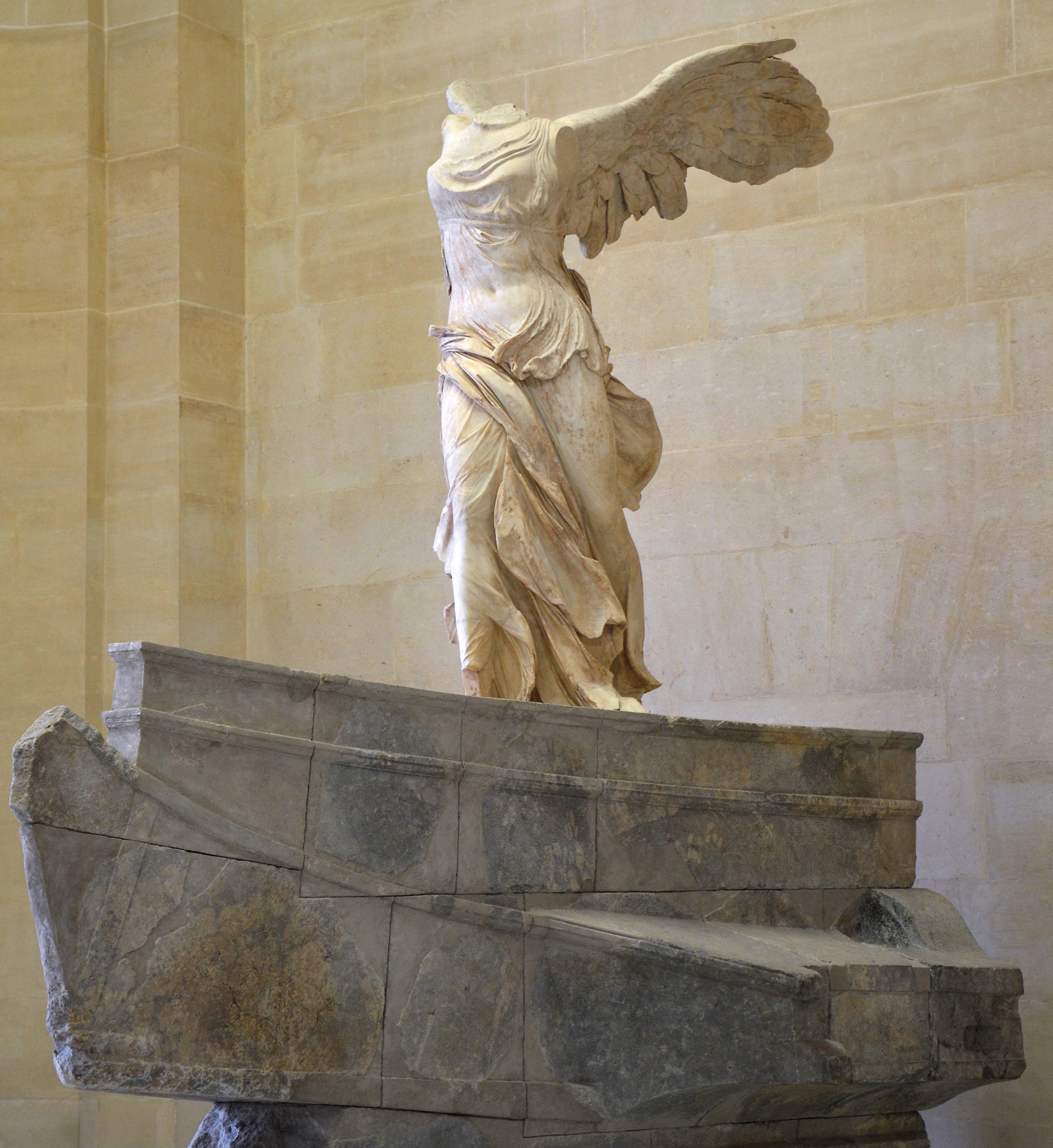
The 1-Hour Masterpiece Dash 🏛️ #1 • The Louvre Museum

The 1-Hour Masterpiece Dash

Short on time? See the Mona Lisa, Venus de Milo, and Winged Victory before the crowds arrive.

Explore Audio Guide →
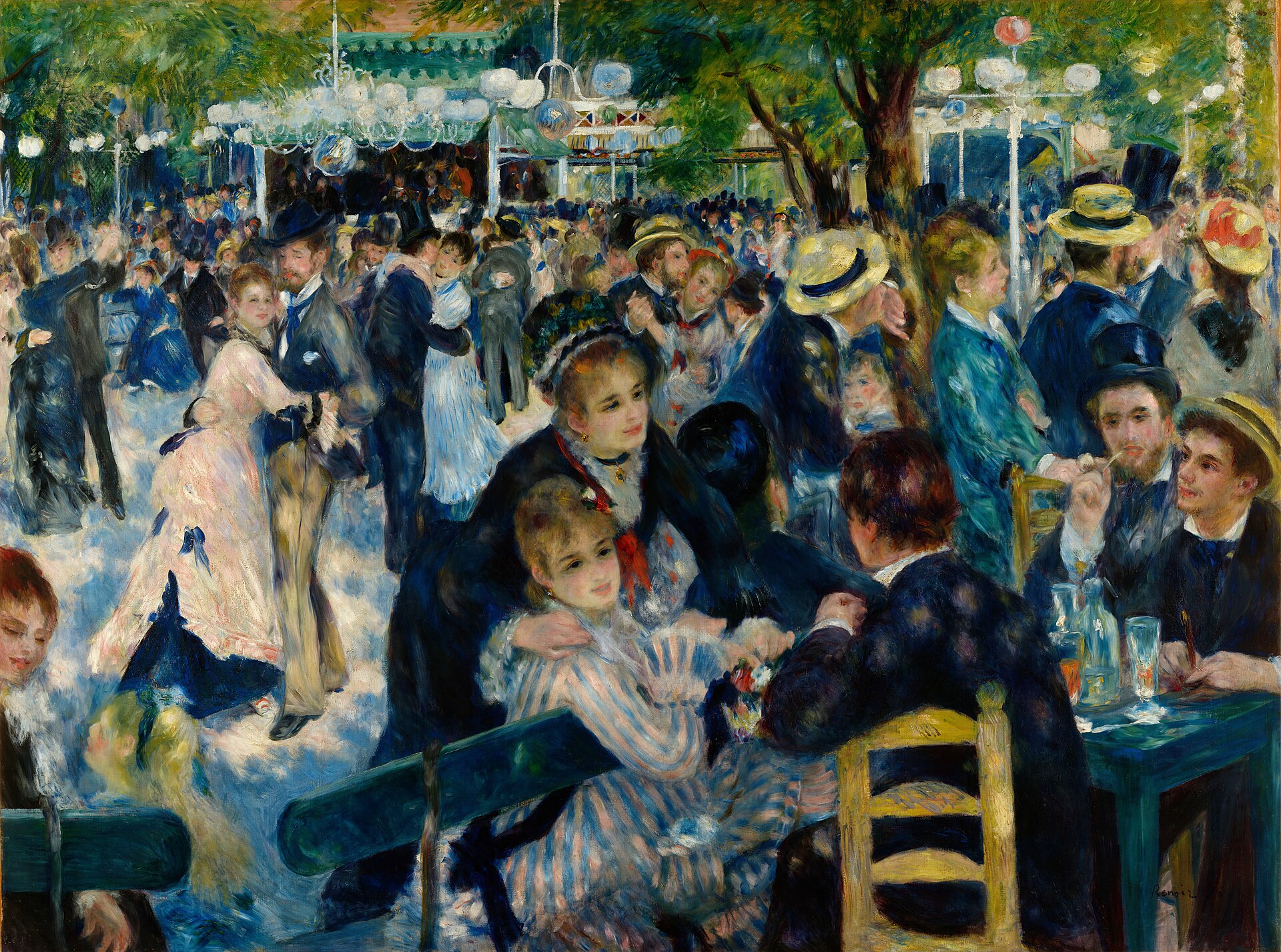
The Impressionist Revolution 🏛️ #2 • Musée d'Orsay

The Impressionist Revolution

Witness the birth of modern art through the defining masterpieces of Monet, Renoir, and Van Gogh.

Explore Audio Guide →
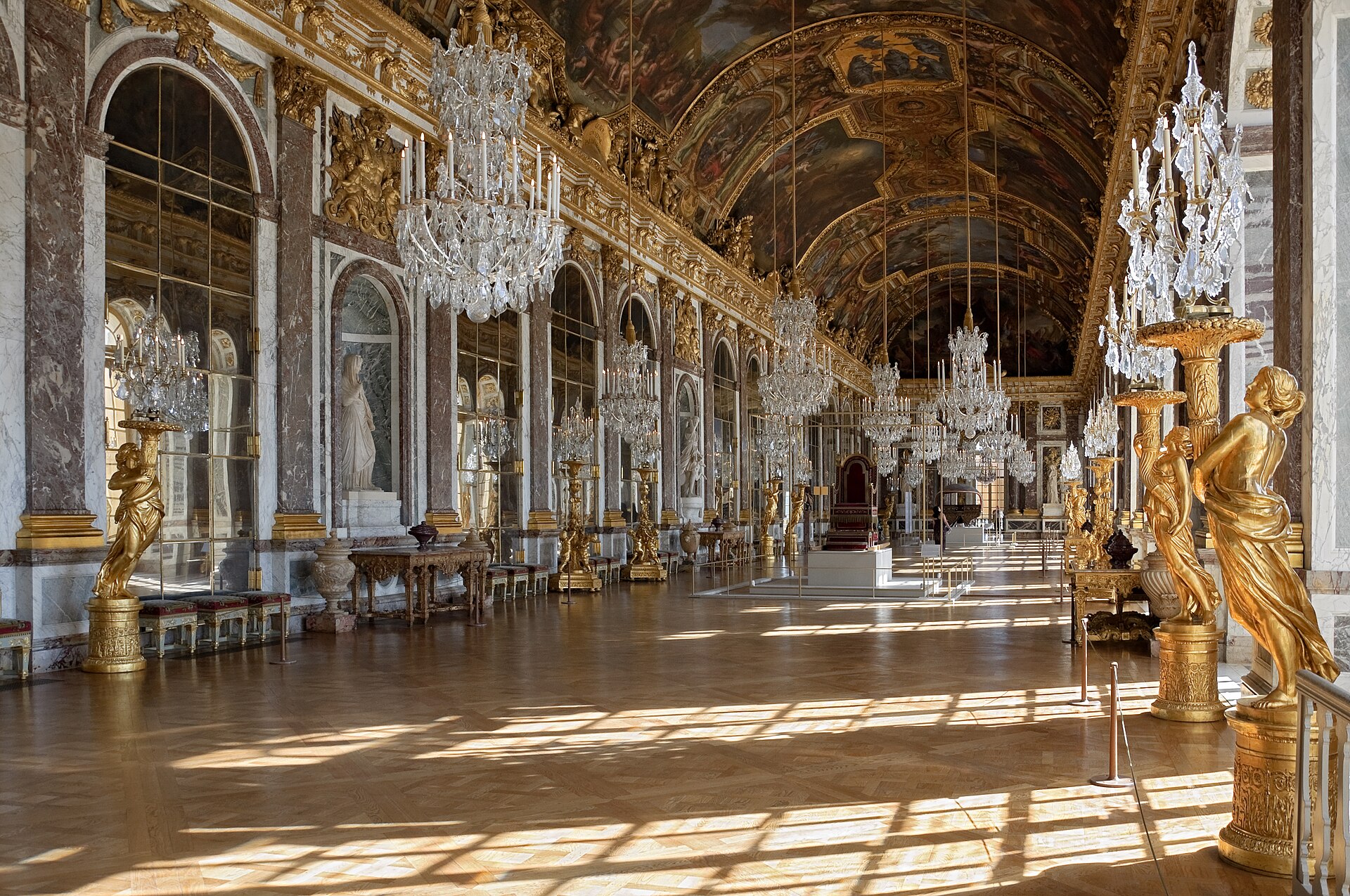
The Sun King's Court 🏛️ #3 • Palace of Versailles

The Sun King's Court

Walk the halls of absolute power, focusing on the ceremonial life of Louis XIV and the staggering wealth of the French monarchy.

Explore Audio Guide →
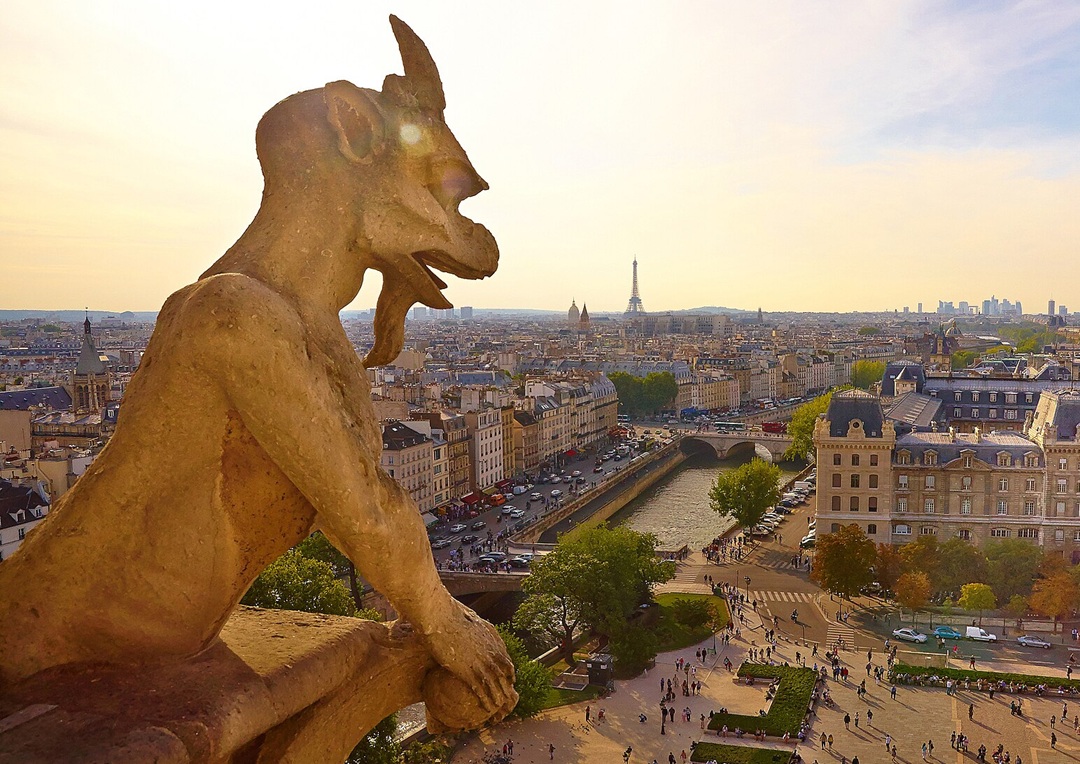
Notre-Dame: The Gothic Heart 🏛️ #4 • Île de la Cité & Notre-Dame

Notre-Dame: The Gothic Heart

Walk the perimeter and interior of the world's most famous cathedral, exploring its gothic engineering, its survival, and its 2024–2025 resurrection.

Explore Audio Guide →
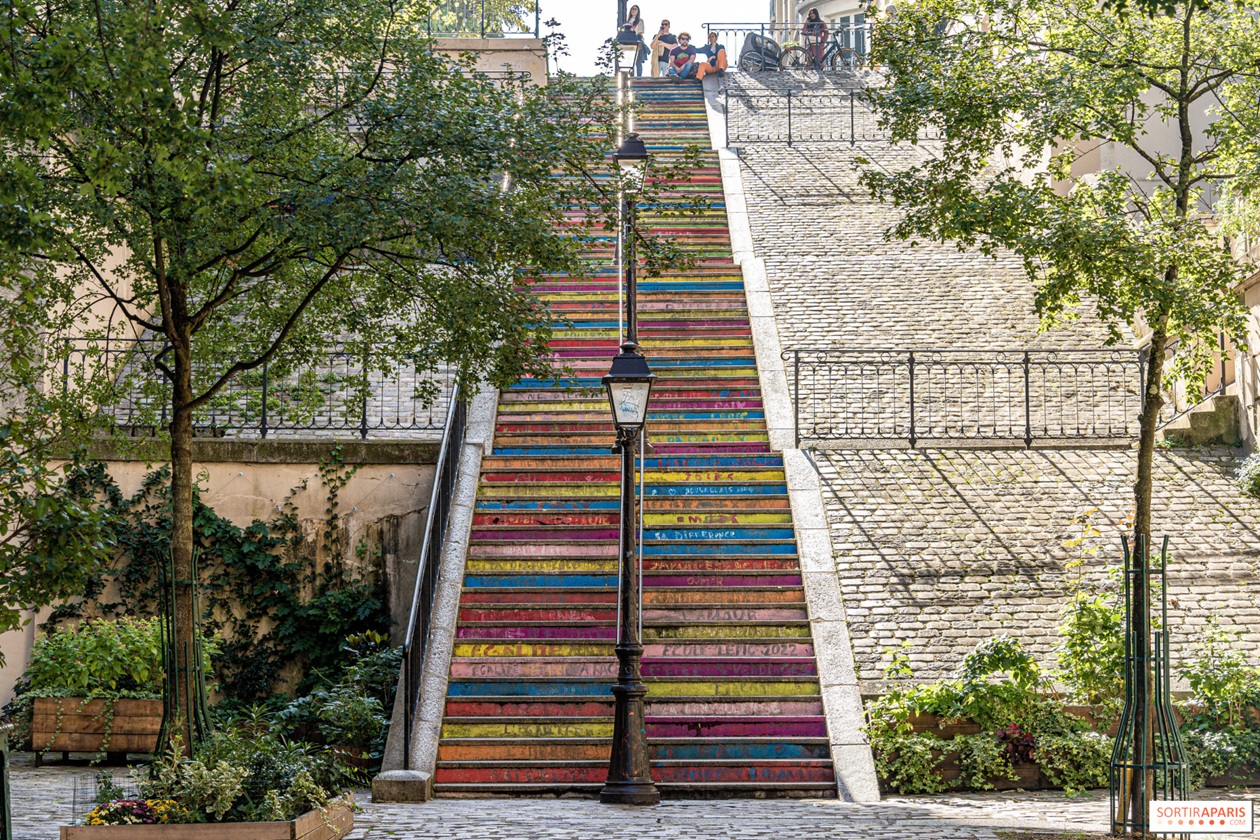
The Classic Climb 🏛️ #5 • Montmartre: The Bohemian Peak

The Classic Climb

Ascend to the Sacré-Cœur, winding through the bustling Place du Tertre and the iconic cobblestone streets of the hilltop village.

Explore Audio Guide →
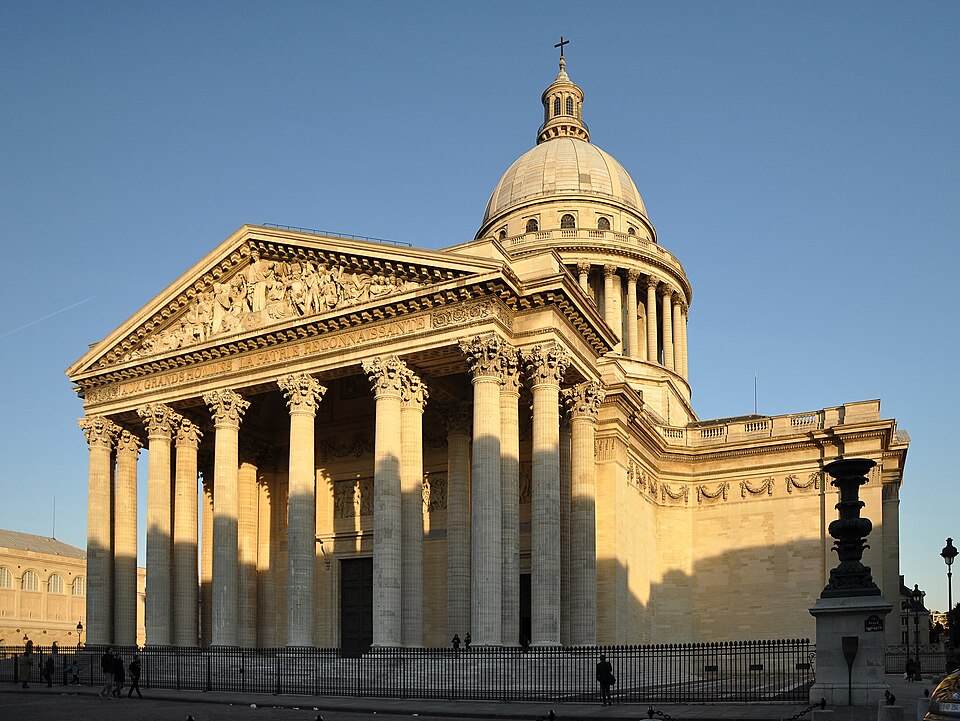
The Heart of the Left Bank 🏛️ #6 • The Latin Quarter & Saint-Germain

The Heart of the Left Bank

Walk the historic student quarter, exploring the monumental Panthéon, the Sorbonne University, and the lively Boulevard Saint-Michel.

Explore Audio Guide →
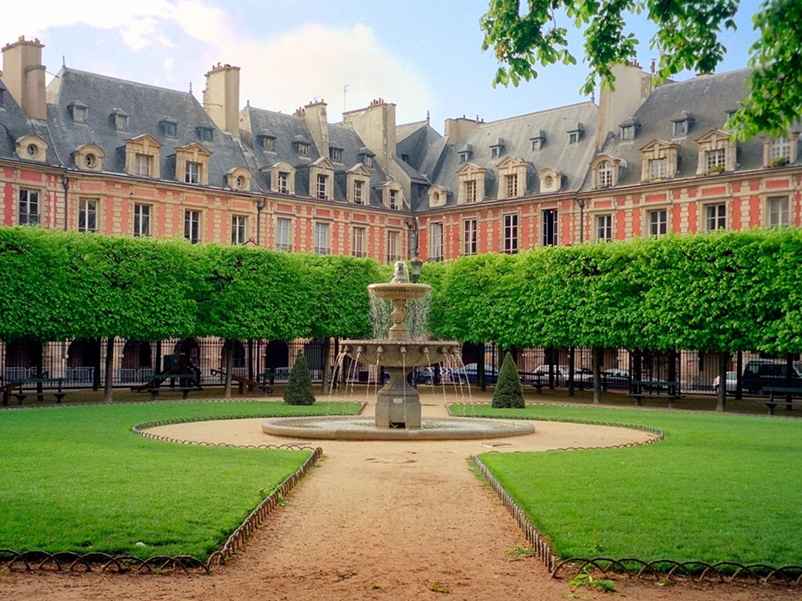
The Golden Age Mansions 🏛️ #7 • Le Marais: Aristocrats to Avant-Garde

The Golden Age Mansions

Discover the spectacular 17th-century Hôtels Particuliers (private palaces) and the breathtaking symmetry of the Place des Vosges.

Explore Audio Guide →
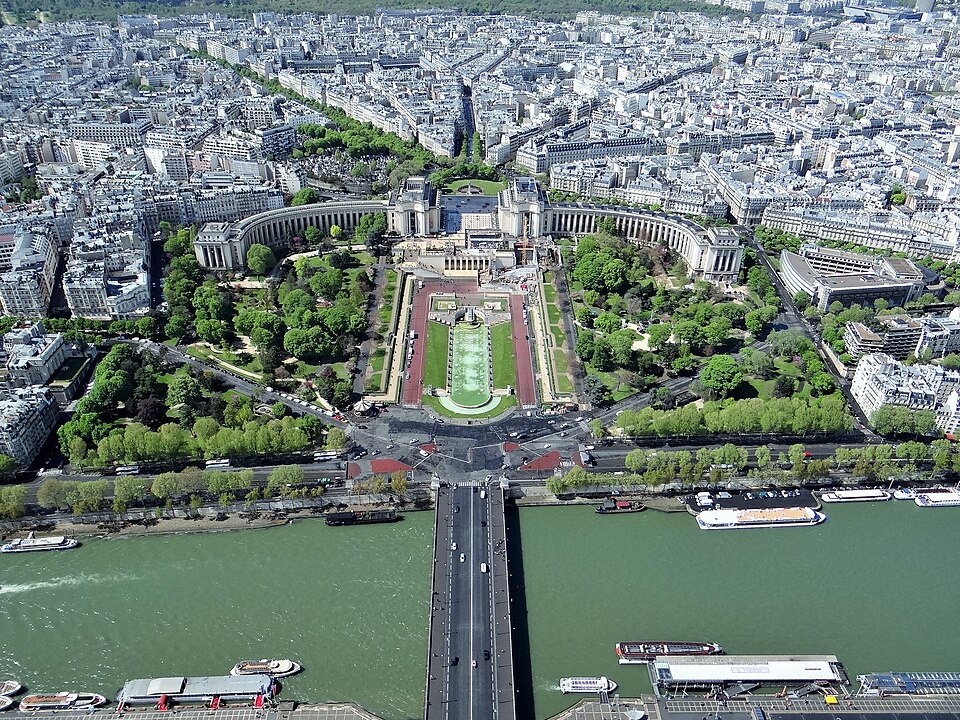
The Iron Lady & The Seine 🏛️ #8 • The Triumphal Way: Eiffel & The Grand Boulevards

The Iron Lady & The Seine

The ultimate photo route. Explore the Trocadéro, the architectural marvel of the Eiffel Tower, and the beautiful bridges of the Seine.

Explore Audio Guide →

Frequently Asked Questions

Why was the original medieval keep of the Louvre demolished?

Francis I demolished the massive circular Grosse Tour in 1528 to eliminate its gloomy defensive shadow, create light, and provide a spacious courtyard suitable for a modern Renaissance residential palace reflecting classical humanist ideals.

Who were the primary artists behind the Renaissance Louvre?

Architect Pierre Lescot and master sculptor Jean Goujon designed the iconic Lescot Wing in the Cour Carrée, blending traditional French high-pitched roofs with classical Italian Corinthian pilasters and elaborate mythological stone bas-reliefs.

Can visitors still see parts of the medieval Louvre today?

Yes. Visitors to the Musée du Louvre can walk through the excavated medieval moat and inspect the foundations of Philippe Auguste's fortress towers, located directly beneath the Cour Carrée and Sully Wing.

What was the purpose of the Louvre's Grande Galerie along the Seine?

Built under Henri IV, the Grande Galerie physically linked the Louvre to the Tuileries Palace, creating an extraordinary riverside promenade that showcased royal grandeur and served as an artist studio hub.

⏳ Continue This Paris Historical Era

Paris Smart Guide
★★★★★ 4.8 • FREE APP • OFFLINE GPS
Hear Paris's Hidden Stories
Your Personal Audio Guide • 10 Languages
🎧 Download