









🏺 Ancient & Historical Paris Video Chronicles (Before 52 BC – 1789 AD)
⏳ #6 • 1st c. AD
🎬 Watch the 20-second video preview, then listen to the cliffhanger audio teaser ← Explore All App Features
🎬 20-Second AI Historical Reconstruction Preview
0:00 / 0:20
20s PREVIEW
🎧 Continue Listening — Audio Teaser

“Beneath the tranquil avenues of the Latin Quarter lie the buried courts, luxury villas, and bustling markets of Roman Lutetia. Uncover the secret world of the first-century Parisians who shaped this city. Download the free Paris Smart Guide app now to watch the full cinematic reconstruction and explore the hidden ruins today.”

Unlock the full historical reconstruction video & complete story in the free Paris Smart Guide app.

Era II: Roman Lutetia (52 BC – 300 AD)

Citizens of Lutetia: Daily Life in the Gallo-Roman City

How Roman order transformed Celtic traditions along the Seine in the first century.

By the first century AD, the muddy banks of the Seine echoed with an unfamiliar cadence. On the heights of the Left Bank, native Celtic rhythms gave way to imperial discipline. Roman Lutetia emerged as a vibrant crossroads where Gallic merchants learned Latin law, while Roman magistrates developed a taste for local river fish, craft beer, and northern customs.

🎧 Continue Listening — Audio Teaser

“Beneath the tranquil avenues of the Latin Quarter lie the buried courts, luxury villas, and bustling markets of Roman Lutetia. Uncover the secret world of the first-century Parisians who shaped this city. Download the free Paris Smart Guide app now to watch the full cinematic reconstruction and explore the hidden ruins today.”

The Forum and the Cardo Maximus

At the summit of the hill now called the Montagne Sainte-Geneviève, imperial planners established the Forum of Lutetia, a monumental complex spanning modern Rue Soufflot. Serving as civic heart, commercial exchange, and sacred precinct, the forum anchored the urban grid. Bisecting the city ran the Cardo Maximus, the vital north-south axis preserved today by Rue Saint-Jacques. Along this basalt-paved spine, bustling shops sold Italian amphorae alongside local wool. Citizens gathered beneath porticoes to debate imperial decrees, petition magistrates, and observe religious ceremonies, cementing an evolving urban identity that bridged Mediterranean architecture with northern European river commerce.
Hybrid Culture in the Romanized Streetscape

Daily routines in the first century revealed an intricate synthesis between Celtic heritage and imperial luxury. Wealthier Parisii adopted Roman civic dress, sporting wool togas alongside traditional checked braccae trousers. Latin became the language of administration and ledger sheets, though the Gaulish tongue persisted in taverns and workshops along the riverbank. This hybrid culture manifested in foodways and domestic habits:

  • Mediterranean imports introduced olive oil, garum, and spiced vintage wines to the urban table.
  • Traditional Celtic staple foods like spelt bread, pork, and hopped cervisia beer remained beloved essentials.

Civil life flourished through this pragmatic cultural exchange.

Private Sanctuaries: Inside the Gallo-Roman Domus

Behind colonnaded facades, affluent citizens retreated into private luxury inside expansive domus residences. Excavations beneath the Latin Quarter reveal homes equipped with mortar floors, frescoed plaster walls painted in vibrant cinnabar and ochre, and central courtyards designed to harvest daylight. Wealthy households enjoyed early hypocaust underfloor heating systems to survive damp Parisian winters, while piped water delivered fresh river flow into private basins. These refined interiors showcased fine Samian ware pottery, delicate Roman glassware, and bronze statuettes honoring both Mediterranean deities like Mercury and native river gods, illustrating how intimate domestic spaces reflected Lutetia's high status.

Archaeological Traces Beneath Modern Pavement

Today, the urban footprint laid down in the first century remains permanently etched into the topography of Paris. Although the monumental basilica and porticoes of the forum were quarried in late antiquity to fortify the Île de la Cité, their foundations lie directly beneath the pavements of Rue Soufflot and the Luxembourg Gardens. Archaeological salvage beneath Boulevard Saint-Michel continues to uncover painted plaster fragments, terracotta drainage channels, and bronze coins bearing imperial profiles. When modern Parisians walk down Rue Saint-Jacques, they step directly along the primary Roman roadway that organized the daily life of ancient Lutetia two millennia ago.

🔒 FULL HISTORICAL NARRATION & VIDEO

Continue Watching & Reading in the App

Scan the QR code on the Floating App Card at the bottom-right of your screen to watch the full AI Paris reconstruction video and read the complete story for free.

Download the free Paris Smart Guide app on iOS or Android to watch the full AI historical video and read the complete story.

📲 Get the Free App Now
🎧 STEP INSIDE THE MONUMENTS

Explore Our 8 Flagship Interactive Paris Audio Tours

Go beyond the historical chronicles—walk Paris's greatest museums and historic neighborhoods with offline GPS & interactive AI audio guides.

The 1-Hour Masterpiece Dash 🏛️ #1 • The Louvre Museum

The 1-Hour Masterpiece Dash

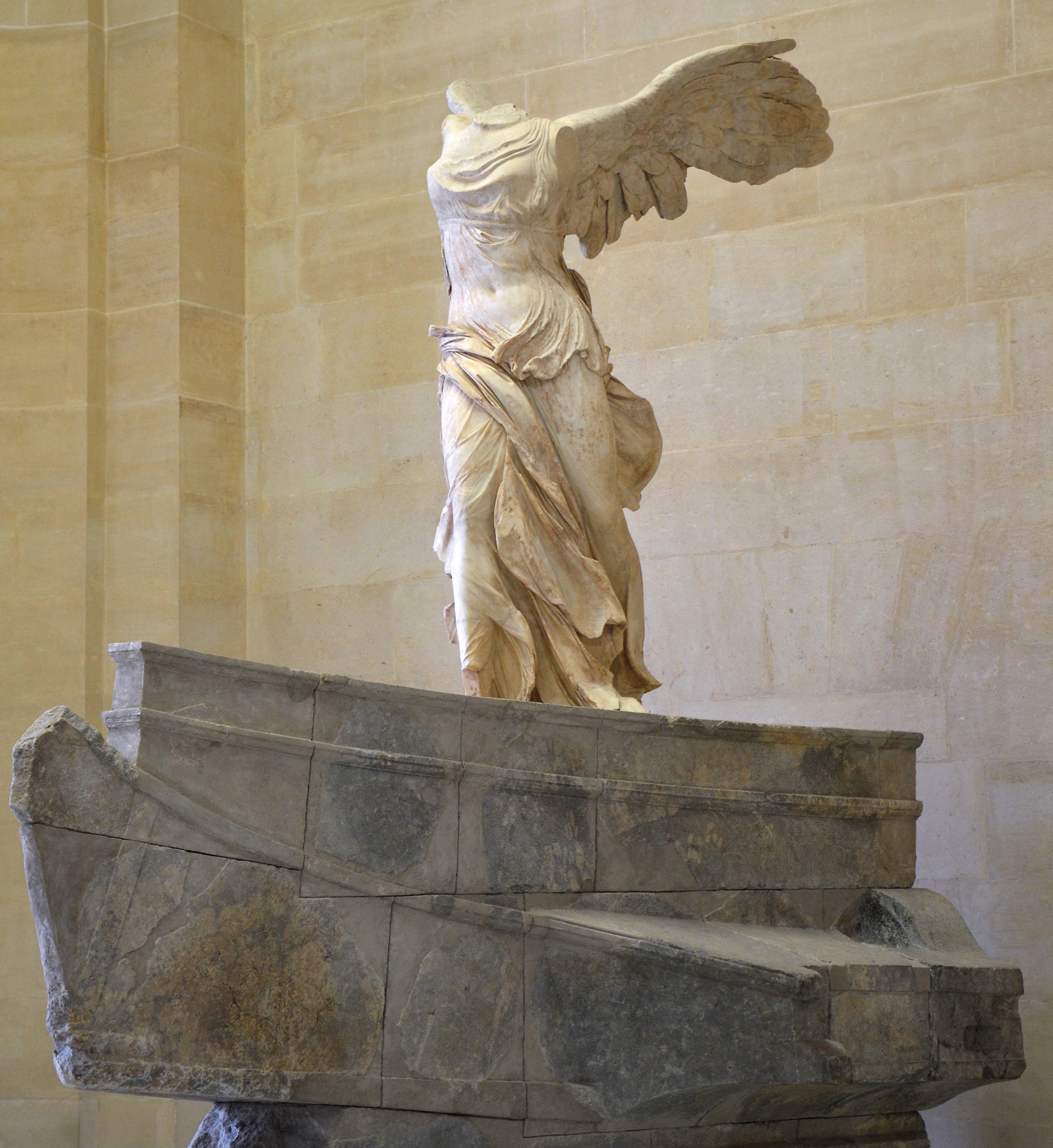
Short on time? See the Mona Lisa, Venus de Milo, and Winged Victory before the crowds arrive.

Explore Audio Guide →
The Impressionist Revolution 🏛️ #2 • Musée d'Orsay

The Impressionist Revolution

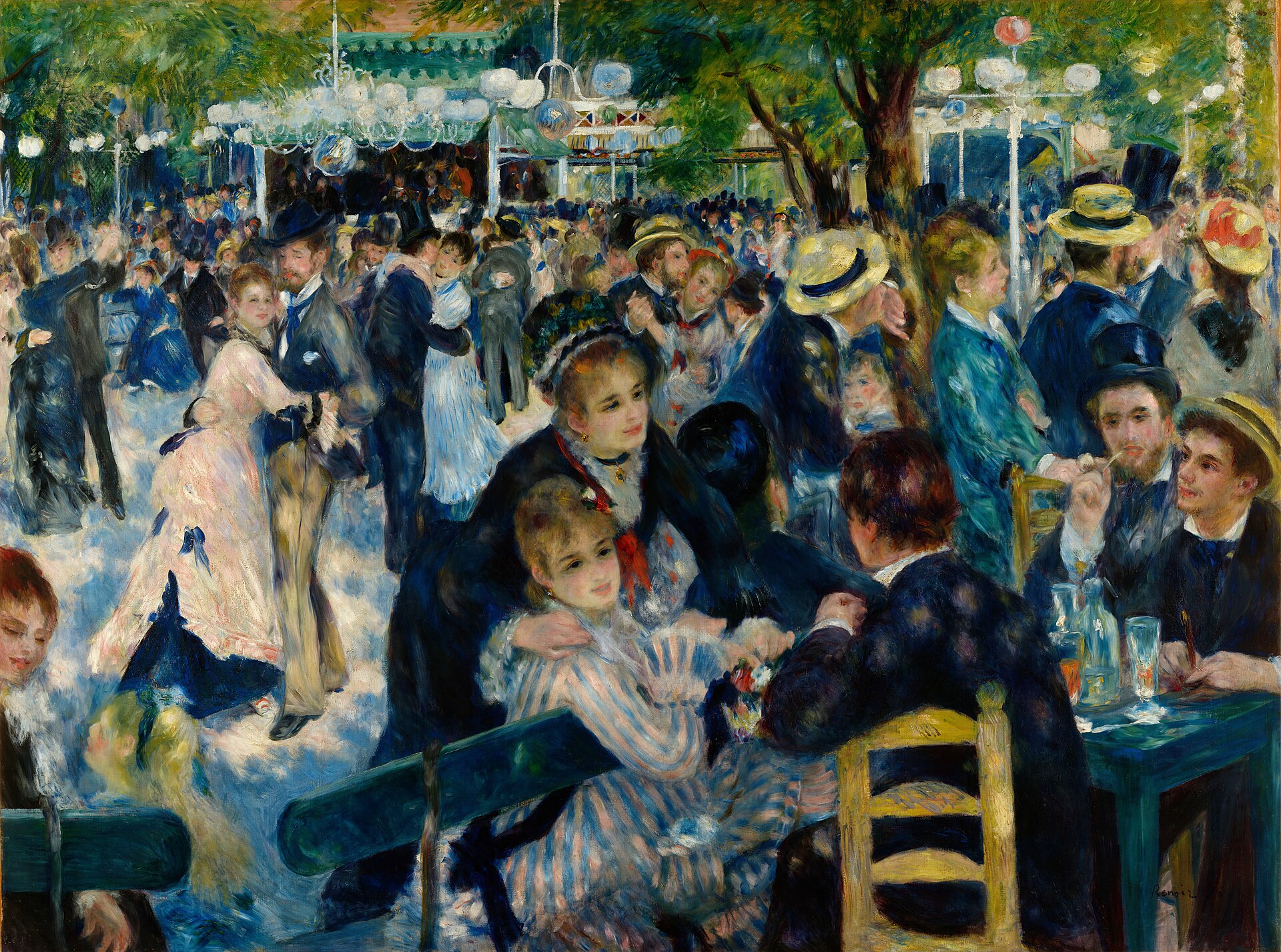
Witness the birth of modern art through the defining masterpieces of Monet, Renoir, and Van Gogh.

Explore Audio Guide →
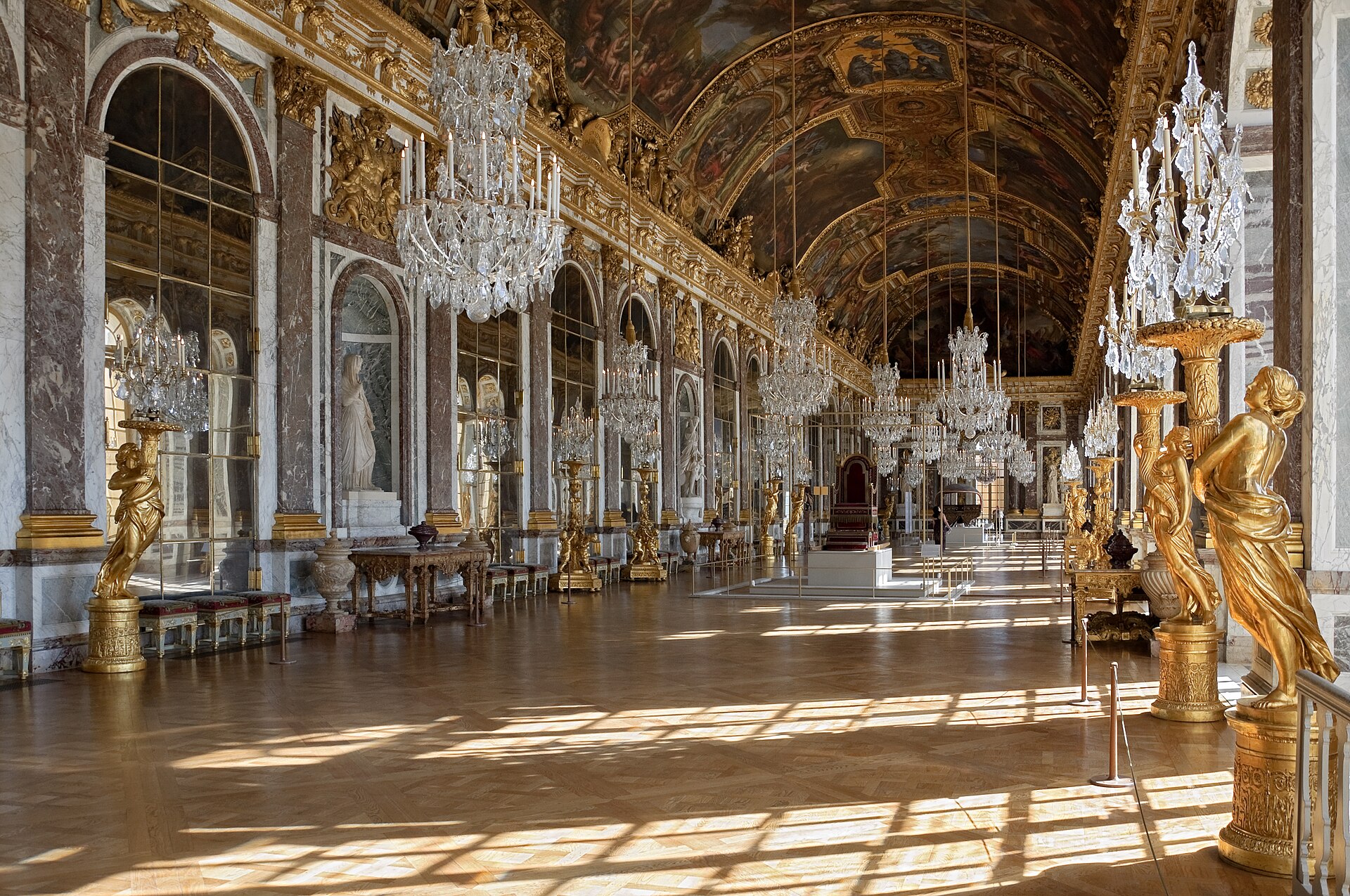
The Sun King's Court 🏛️ #3 • Palace of Versailles

The Sun King's Court

Walk the halls of absolute power, focusing on the ceremonial life of Louis XIV and the staggering wealth of the French monarchy.

Explore Audio Guide →
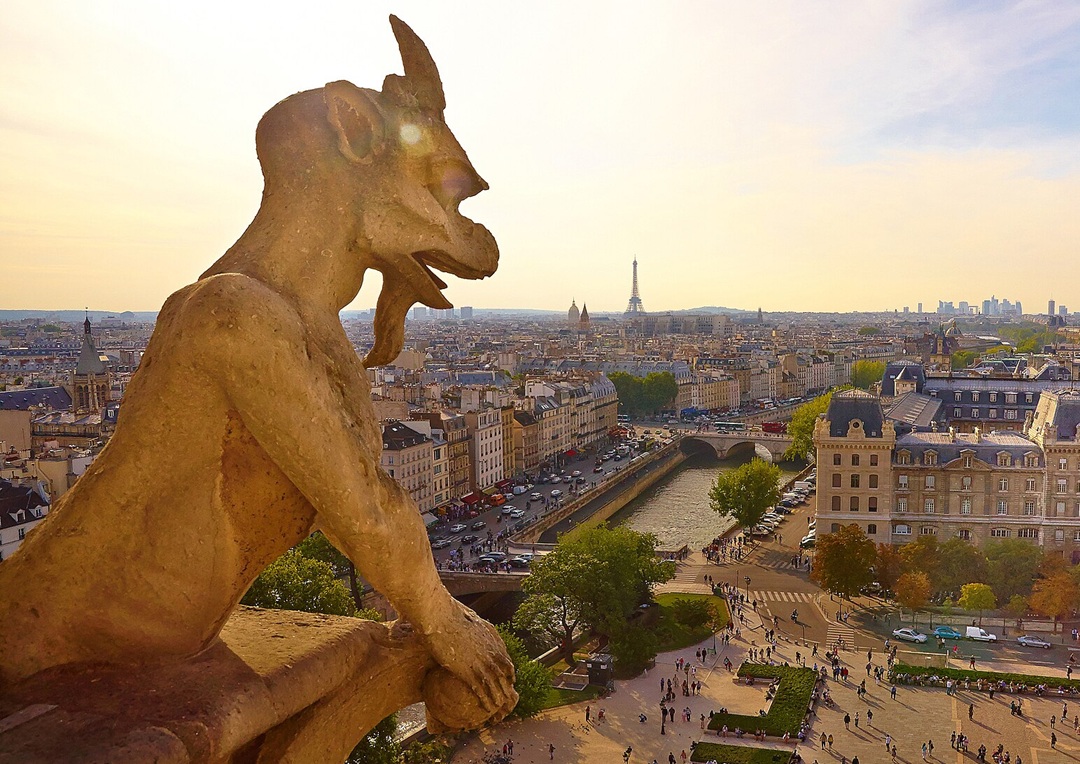
Notre-Dame: The Gothic Heart 🏛️ #4 • Île de la Cité & Notre-Dame

Notre-Dame: The Gothic Heart

Walk the perimeter and interior of the world's most famous cathedral, exploring its gothic engineering, its survival, and its 2024–2025 resurrection.

Explore Audio Guide →
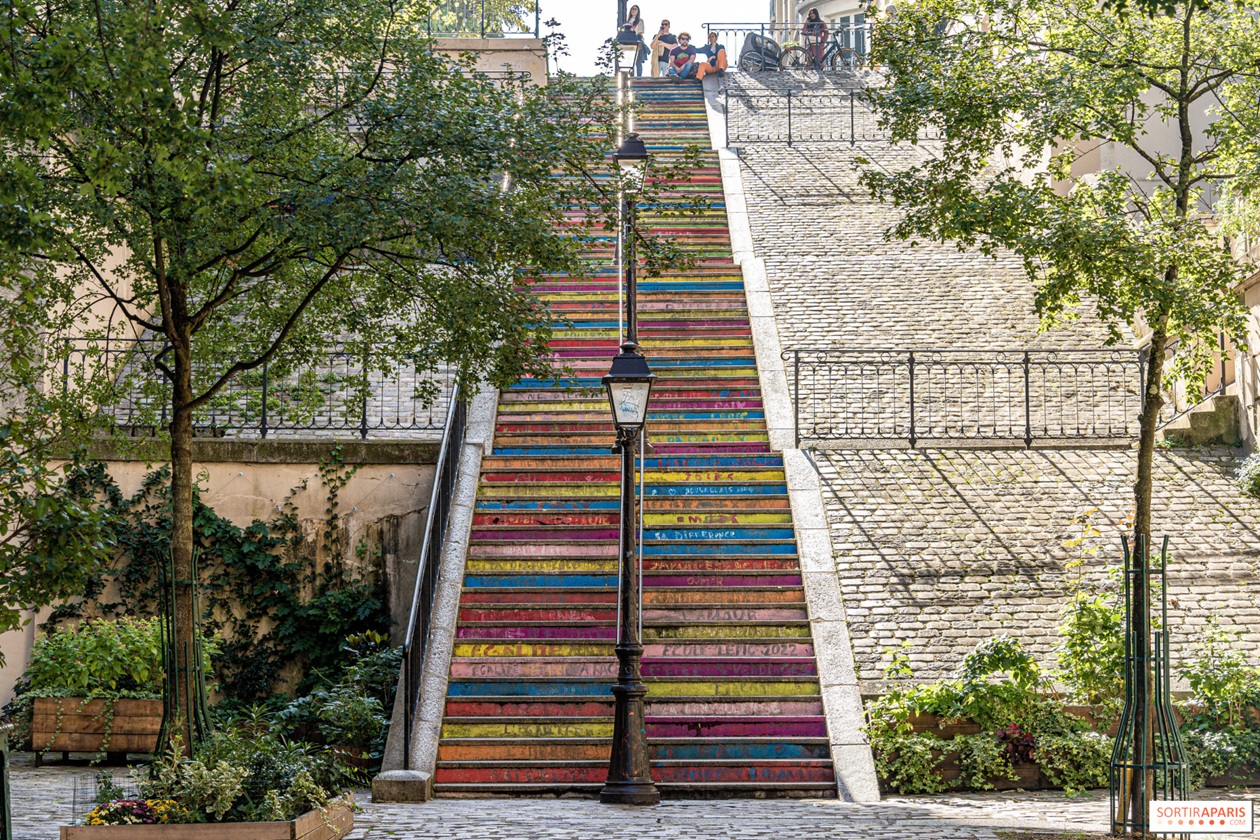
The Classic Climb 🏛️ #5 • Montmartre: The Bohemian Peak

The Classic Climb

Ascend to the Sacré-Cœur, winding through the bustling Place du Tertre and the iconic cobblestone streets of the hilltop village.

Explore Audio Guide →
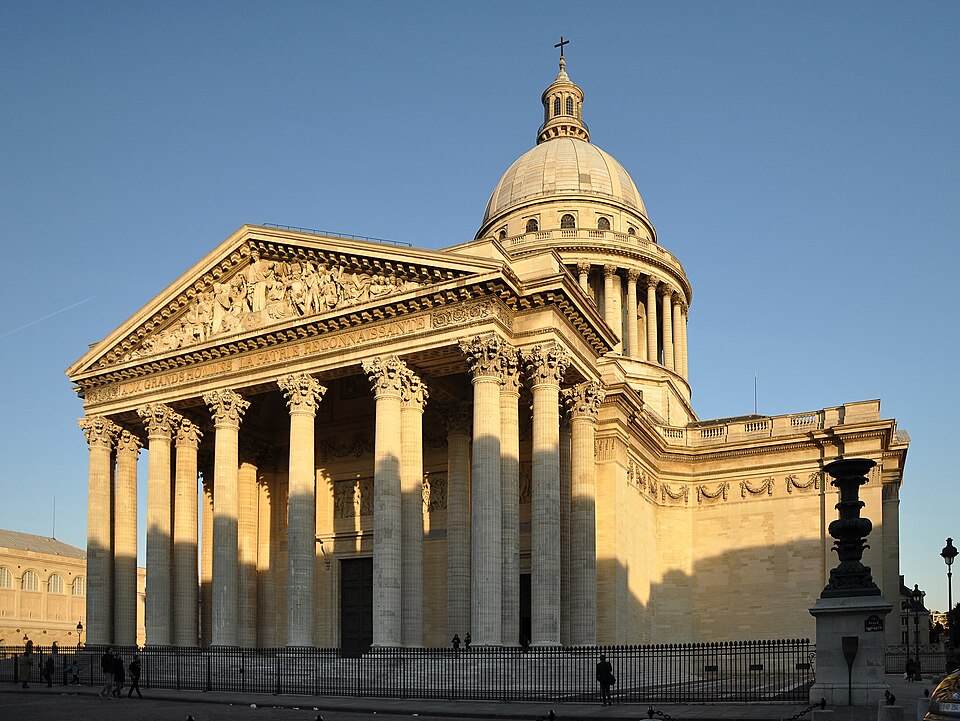
The Heart of the Left Bank 🏛️ #6 • The Latin Quarter & Saint-Germain

The Heart of the Left Bank

Walk the historic student quarter, exploring the monumental Panthéon, the Sorbonne University, and the lively Boulevard Saint-Michel.

Explore Audio Guide →
The Golden Age Mansions 🏛️ #7 • Le Marais: Aristocrats to Avant-Garde

The Golden Age Mansions

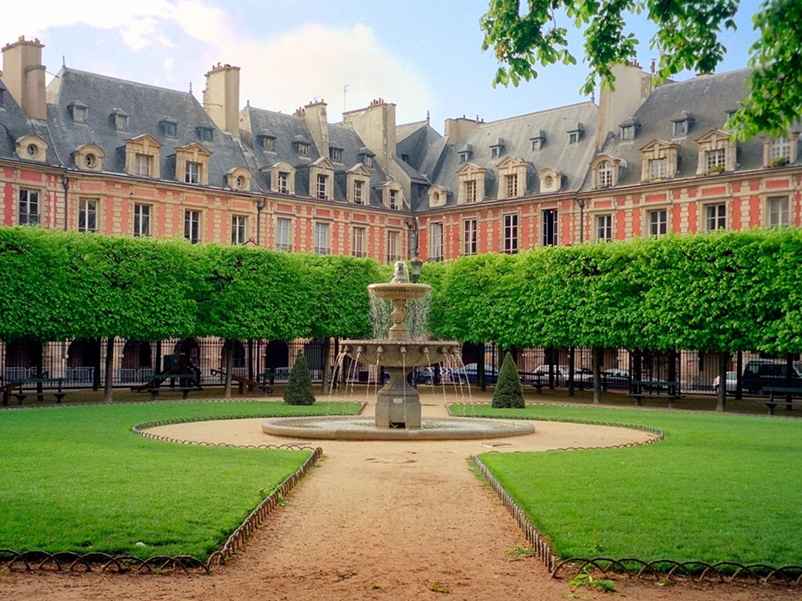
Discover the spectacular 17th-century Hôtels Particuliers (private palaces) and the breathtaking symmetry of the Place des Vosges.

Explore Audio Guide →
The Iron Lady & The Seine 🏛️ #8 • The Triumphal Way: Eiffel & The Grand Boulevards

The Iron Lady & The Seine

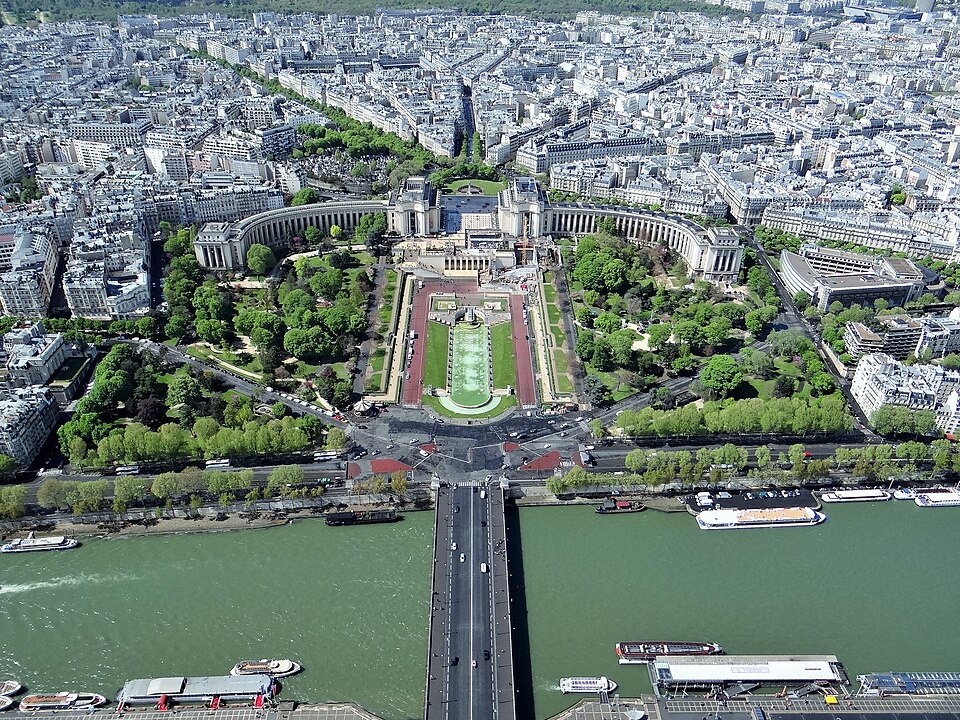
The ultimate photo route. Explore the Trocadéro, the architectural marvel of the Eiffel Tower, and the beautiful bridges of the Seine.

Explore Audio Guide →

Frequently Asked Questions

Where was the center of daily public life in 1st-century Lutetia?

The primary civic hub was the Roman Forum, located on the Montagne Sainte-Geneviève where Rue Soufflot and Rue Saint-Jacques meet today. It featured a public square, a basilica for judicial hearings, and a temple surrounded by covered colonnades.

What languages did citizens speak in Roman Lutetia?

In the first century AD, citizens operated in a bilingual environment. Latin served as the official tongue for law, military governance, and grand trade, while the native Celtic Gaulish language continued to be spoken in daily domestic conversation and neighborhood marketplaces.

Can modern visitors still see remains of the Forum of Lutetia?

While the surface structures were dismantled in late antiquity, portions of the forum foundations remain preserved underground beneath Rue Soufflot and near the Luxembourg Gardens. Marker plaques and archaeological crypts nearby display salvaged stones, statues, and decorative reliefs.

How did Gallo-Roman homes withstand cold Parisian winters?

Wealthy townhouses, or domus, utilized hypocaust heating systems. Slaves stoked wood fires in external furnaces, channeling hot air beneath raised tile floors and through hollow terracotta wall flues to keep interior living rooms comfortably warm through damp northern winters.

⏳ Continue This Paris Historical Era

Paris Smart Guide
★★★★★ 4.8 • FREE APP • OFFLINE GPS
Hear Paris's Hidden Stories
Your Personal Audio Guide • 10 Languages
🎧 Download