










Musée d'Orsay Visitor Guide: Strategic Routes, Art Highlights, and Audio Tours

Musée d'Orsay Visitor Guide: Strategic Routes, Art Highlights, and Audio Tours

Set along the left bank of the Seine, the Musée d'Orsay stands as one of the world's most spectacular cultural temples. Housed in a grand converted Beaux-Arts railway terminal, the museum bridges the vibrant artistic revolution that unseated academic convention in nineteenth-century Paris. Whether you come to admire Monet's shifting light, Van Gogh's intense brushwork, or the monumental station architecture, having an intentional route ensures you capture every masterpiece without facing overwhelming gallery fatigue.

⏳ Era & Origin
Built as a Beaux-Arts railway station for the 1900 World Fair.
📍 Location & Transit
RER C Musée d Orsay or Métro Line 12 Solférino.
🕒 Suggested Time
Plan two to three hours for a rewarding visit.
💡 Insider Tip
Head straight to level five to view Impressionist galleries before crowds.
🎧 20-Second Audio Guide Preview

“Step inside this majestic former railway station and look up at the soaring glass barrel vault. Beneath golden monumental clocks, railway tracks once groaned where world-changing canvases now hang. Wander through light-drenched halls where radical painters shattered classical rules. But what scandalous secret provoked Parisian riots before these paintings became beloved treasures?”

Why This Place Matters: A Railway Station Saved From Demolition

Before it showcased groundbreaking art, the Musée d'Orsay arrived as a bustling railway terminus constructed for the 1900 Paris Exposition Universelle. Architect Victor Laloux masked an innovative industrial steel skeleton behind an opulent Beaux-Arts stone facade, complete with grand coffered ceilings, ornamental rosettes, and monumental train station clocks. By the mid-twentieth century, modern electric trains outgrew the short platforms, leaving the station derelict and threatened with demolition. A determined public preservation campaign saved the structure from the wrecking ball, leading to its imaginative redesign by architect Gae Aulenti as a museum celebrating art from 1848 to 1914. Today, the building serves as the premier bridge connecting the classical collections of the Louvre with the modern experiments of the Centre Pompidou. Stepping beneath the soaring glass nave reveals how industrial triumph and artistic rebellion merged, giving historic train sheds a second life as guardians of the world's most revolutionary paintings and expressive bronzes.

Planning Your Visit: Strategic Routing and Transit Logistics

Navigating the Musée d'Orsay requires a thoughtful approach to crowd timing and multi-level floor plans. Arriving via public transit is straightforward: take RER C directly to the Musée d'Orsay station or board Métro Line 12 to Solférino, followed by a pleasant five-minute stroll toward the Seine. Because peak crowds naturally congest the ground floor sculpture nave early in the day, seasoned visitors reverse the standard flow. Begin your visit by ascending directly to the fifth level, where morning light illuminates the premier Impressionist galleries before crowds gather around iconic canvases. From there, work downward through the middle levels, exploring the Post-Impressionist suites and decorative arts terraces, before concluding on the ground floor to appreciate early realist masterworks. Securing an advance timed-entry ticket is essential to avoid lengthy exterior queues. Allocate between two and three hours to wander the galleries comfortably, leaving ample time to pause behind the giant fifth-floor clock window overlooking Montmartre.

Key Masterpieces and Choosing Your Audio Tour Route

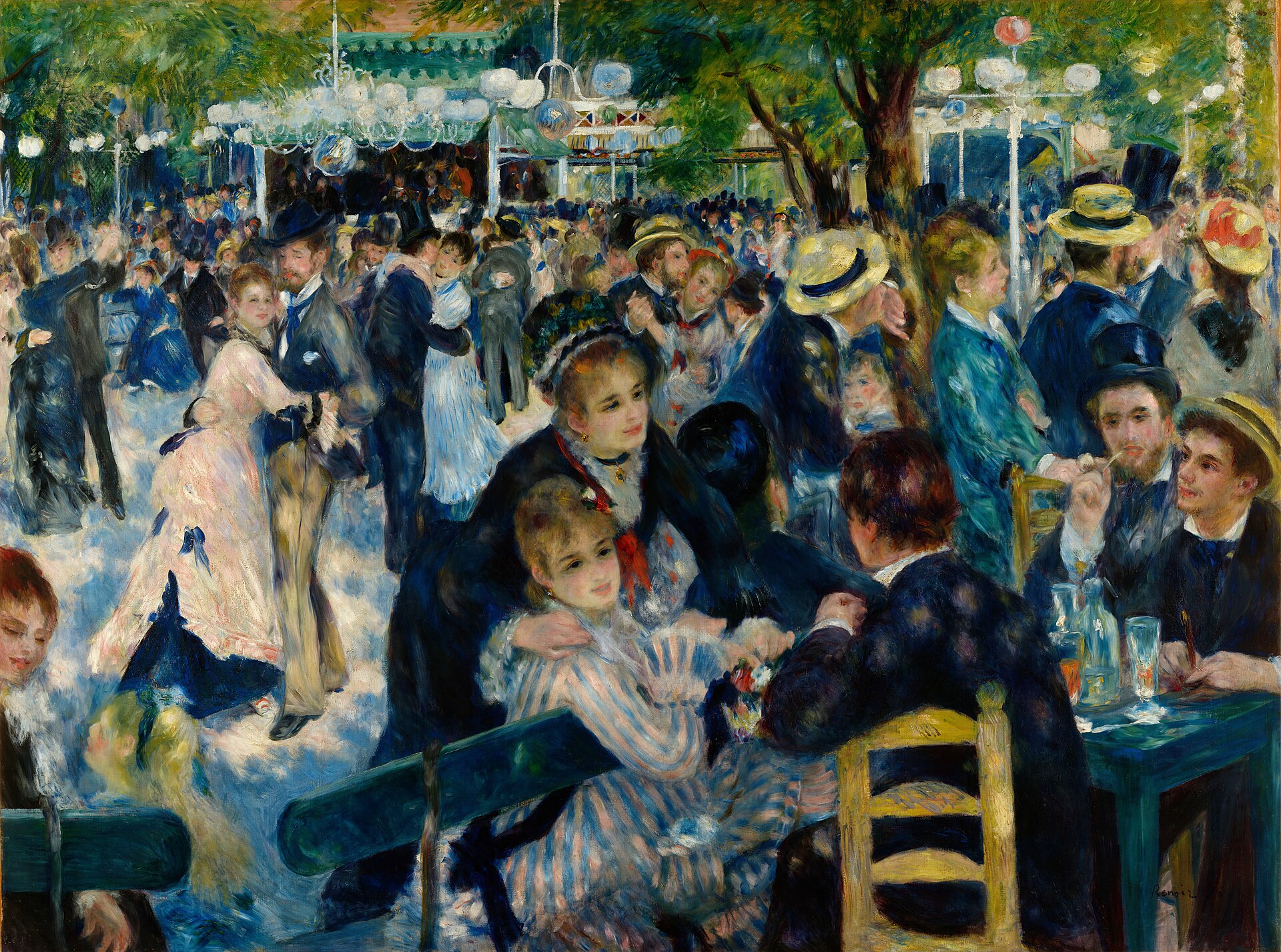
With thousands of works on display, exploring with a tailored self-guided audio tour brings order and narrative depth to your journey. Art enthusiasts eager to trace the rise of rebel painters can follow The Impressionist Revolution tour, encountering Monet's Gare Saint-Lazare, Renoir's Bal du moulin de la Galette, and Degas's Little Fourteen-Year-Old Dancer. If you want to unpack the bolder colors and psychological tensions that followed, select The Rebels of Art route to examine Cézanne's Card Players, Seurat's pointillist Circus, and Van Gogh's Starry Night Over the Rhône. Architecture admirers will appreciate The Great Train Station tour, which uncovers structural feats like the industrial skeleton, ornate stone rosettes, and translucent clock faces. Families traveling with curious children can embark on Colors, Clocks, and Canvases, an engaging scavenger hunt that spots wobbly apples and painted polar bears. An offline mobile audio tour lets you explore at your own pace without missing historical context.

Paris Smart Guide

Ready to Explore Paris?

Download the Paris Smart Guide now and transform your travel experience

✨ Explore All App Features

Must-See Masterpieces & Landmarks (8)

Select any stop below for historical background, wayfinding tips, and a 20-second audio preview.

Frequently Asked Questions

What is the best way to get to the Musée d'Orsay by Métro or train?

Take RER line C directly to Musée d'Orsay station, which exits right outside the museum gates. Alternatively, take Métro line 12 to Solférino station or line 1 to Tuileries and cross the Seine pedestrian bridge.

How much time should I spend at the Musée d'Orsay?

Most travelers require two to three hours to explore the major Impressionist and Post-Impressionist galleries. If you plan to examine the temporary exhibitions or dine at the historic cafe, allow half a day.

What are the absolute must-see masterpieces in the museum?

Do not miss Monet's Gare Saint-Lazare and Blue Water Lilies, Renoir's Bal du moulin de la Galette, Van Gogh's Starry Night Over the Rhône, Manet's Le Déjeuner sur l'herbe, and Degas's Little Dancer sculpture.

Can I use an offline self-guided audio tour inside the museum?

Yes, downloading your mobile audio tour before entering allows complete offline playback. This ensures seamless narration and interactive maps even in deeper galleries where cellular reception can be limited.

Paris Smart Guide
★★★★★ 4.8 • FREE APP • OFFLINE GPS
Hear Paris's Hidden Stories
Your Personal Audio Guide • 10 Languages
🎧 Download Your Orsay Audio Tour