










Why This Monument Matters: Fortress to Royal Treasure House
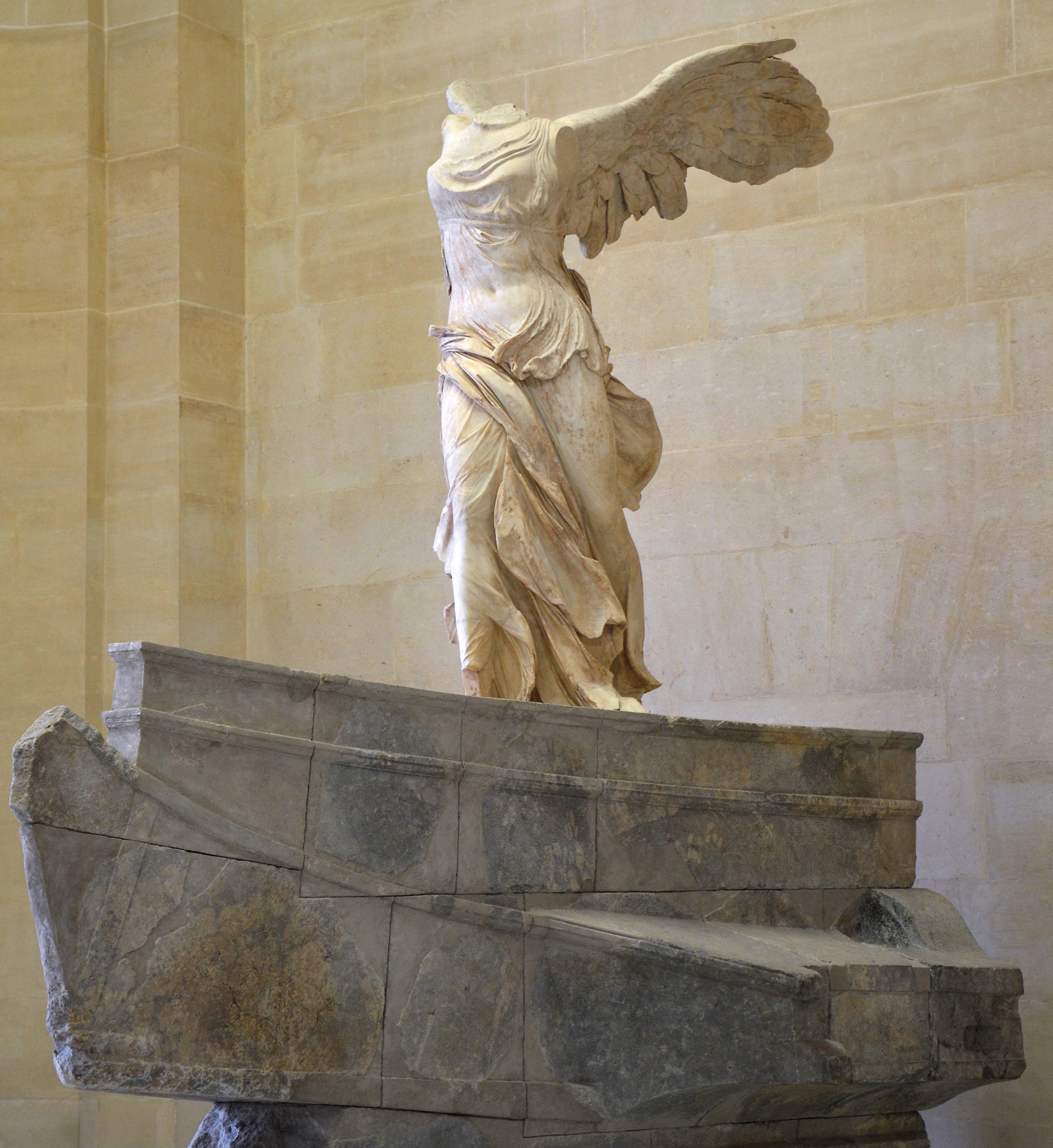
The Louvre began not as a pristine cultural gallery, but as a fortified castle built eight hundred years ago along the banks of the Seine. As centuries unfolded, French monarchs transformed the dark ramparts into an expansive Renaissance and neoclassical palace complex. Today, traces of the original medieval fortress moat survive underground in the Sully wing, sitting directly beneath luminous rooms showcasing ancient Egyptian mummies, archaic Greek sculptures, and the Great Sphinx of Tanis. This remarkable structural evolution mirrors the survival of France itself, with the museum expanding through the Renaissance, the French Revolution, and Napoleon III imperial reign. Walking these halls is an immersive journey through architectural history, where gilded royal staterooms like the Galerie d'Apollon showcase the French crown jewels and grand marble courtyards preserve royal statues like the Marly Horses under magnificent glass canopies.