Visiting the Eiffel Tower and Champs-Élysées: Practical Planning Guide
Stepping into western Paris reveals the city at its grandest scale, where vast neoclassical axes meet dramatic engineering triumphs. From the skyward sweep of the Eiffel Tower across the Seine to the triumphant perspective framing the Champs-Élysées and Arc de Triomphe, this district showcases monumental Parisian ambition. Planning your route thoughtfully across these broad boulevards allows you to navigate crowded plazas, cross historic bridges seamlessly, and uncover forgotten World Fair legacies at your own pace.
⏳ Era & Origin
Nineteenth-century World Exhibitions and Haussmann Second Empire urban redesign.
📍 Location & Transit
Trocadéro or Charles de Gaulle-Étoile Métro stations, bridging the Seine.
🕒 Suggested Time
Half day to a full day for both major monument corridors.
💡 Insider Tip
Start at Trocadéro early in the morning to photograph uncrowded tower views.
🎧 20-Second Audio Guide Preview
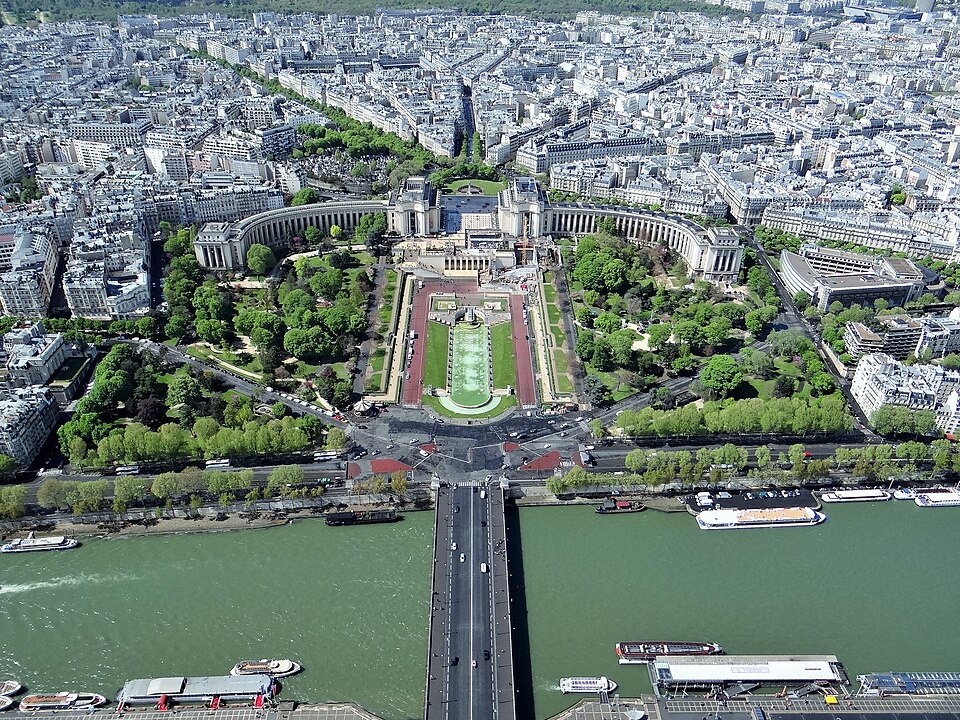
“Stand before the grand terrace of Trocadéro and look across the Seine. Below your feet, wide monumental avenues stretch toward the soaring lattice of the Eiffel Tower and the distant Arc de Triomphe. But why did Paris almost demolish this iron colossus, and what secrets lie buried beneath its grand boulevards?”
🗺️ Interactive District Landmarks Map
Tap any numbered pin to inspect the landmark & open walking directions
The monumental corridor stretching from the Eiffel Tower to the Arc de Triomphe represents the bold reinvention of nineteenth-century Paris. Under Emperor Napoleon III and Baron Haussmann, medieval alleyways were demolished to create sweeping boulevards that emphasized order, ventilation, and dramatic vistas. This urban canvas provided the ultimate international showcase for the Universal Expositions of 1889 and 1900. When Gustave Eiffel unveiled his three-hundred-meter puddled iron spire on the Champ de Mars, it was intended only as a temporary exhibit for the 1889 World Fair. Critics decried it as an eyesore, yet radio technology and global adoration saved it from destruction. A decade later, the 1900 Belle Époque celebration gifted Paris the gilded opulence of the Pont Alexandre III and the soaring glass barrel-vault of the Grand Palais. Walking through this district means moving through the golden age of industrial innovation and imperial prestige, where civic architecture transformed a working river capital into the undisputed beacon of modern global culture.
How to Plan Your Visit, Wing Flow and Getting There
Navigating this district effectively requires understanding its immense physical scale and strategic transit hubs. Begin your journey at the Trocadéro Métro station, served by Lines 6 and 9. This elevated vantage point provides the classic panoramic perspective of the Eiffel Tower across the Seine before you descend through the Palais de Chaillot gardens and fountains. Cross the river via Pont d'Iéna to reach the tower base, then continue into the manicured lawns of the Champ de Mars toward the historic École Militaire. To avoid the heaviest pedestrian bottlenecks, visit the Trocadéro terrace just after sunrise when natural light illuminates the ironwork and tour buses have not yet arrived. For the Champs-Élysées axis, transit to Charles de Gaulle-Étoile on Métro Lines 1, 2, and 6 or RER A. A smooth downhill walk along the grand avenue leads past classic cafes and theatres directly toward the Grand Palais, Petit Palais, and Place de la Concorde, ensuring an effortless, logical route.
Top Masterpieces, Landmarks and Choosing Your Audio Tour
Choosing the right self-guided audio tour ensures you uncover hidden details that most casual strollers overlook. If you want the ultimate photographic expedition, select The Iron Lady and The Seine tour. This twelve-stop route leads you from the Palais de Chaillot fountains across Pont d'Iéna to the tower base and the quiet riverbanks. Travelers fascinated by urban planning should pick Haussmann and Napoleon's Vision, which decodes the transformation of the upper avenue from Place de la Concorde and the Luxor Obelisk to the Tomb of the Unknown Soldier beneath the Arc de Triomphe. For lovers of gilded architecture, The Belle Époque route showcases the Grand Palais glass roof and the ornate bronze nymphs of Pont Alexandre III. Families with children will appreciate The Iron Giant and The Carousel, an eight-stop adventure highlighting vintage carousels, water cannons, and the secret antenna that saved the tower. Each tour brings these storied stone and iron monuments vibrantly to life.
Ready to Explore Paris?
Download the Paris Smart Guide now and transform your travel experience
What is the best Paris Métro station to start my visit?
Trocadéro on Métro Lines 6 and 9 offers the best elevated views and easy walking access to the Eiffel Tower. Alternatively, Charles de Gaulle-Étoile on Lines 1, 2, 6, and RER A provides an ideal starting point for exploring the Arc de Triomphe and the Champs-Élysées.
How much time should I allocate to explore both the Eiffel Tower and Champs-Élysées areas?
Plan on spending at least three to four hours for a focused walking route between the two monuments. Allocating a full half day allows you to wander the Champ de Mars, cross the Pont Alexandre III, and take your time strolling down the Champs-Élysées without rushing.
What are the key architectural highlights I should not miss between these areas?
Essential stops include the Trocadéro Fountains, the Eiffel Tower base, Pont Alexandre III with its golden winged statues, the Grand Palais glass roof, the Luxor Obelisk at Place de la Concorde, and the Arc de Triomphe.
How do the self-guided audio tours work while walking this district?
Download your chosen tour route in advance within the app for seamless offline use. The GPS-guided audio triggers rich historical commentary and navigation cues as you walk between landmarks, allowing you to discover hidden stories at your own natural pace without needing cellular data.