Uncover Paris's Art Secrets: A Kids' Adventure at Musée d'Orsay!
Step into a world where steam engines once roared and art comes alive! Imagine the thrilling sounds of trains filling the magnificent Grand Hall. Our unique audio guide transforms the Musée d'Orsay into an interactive playground, inviting young explorers to "read" paintings, discover unexpected details, and peer through a colossal clock face. Prepare for an unforgettable family journey through impressionist masterpieces and beyond!
🎧 20-Second Audio Guide Preview
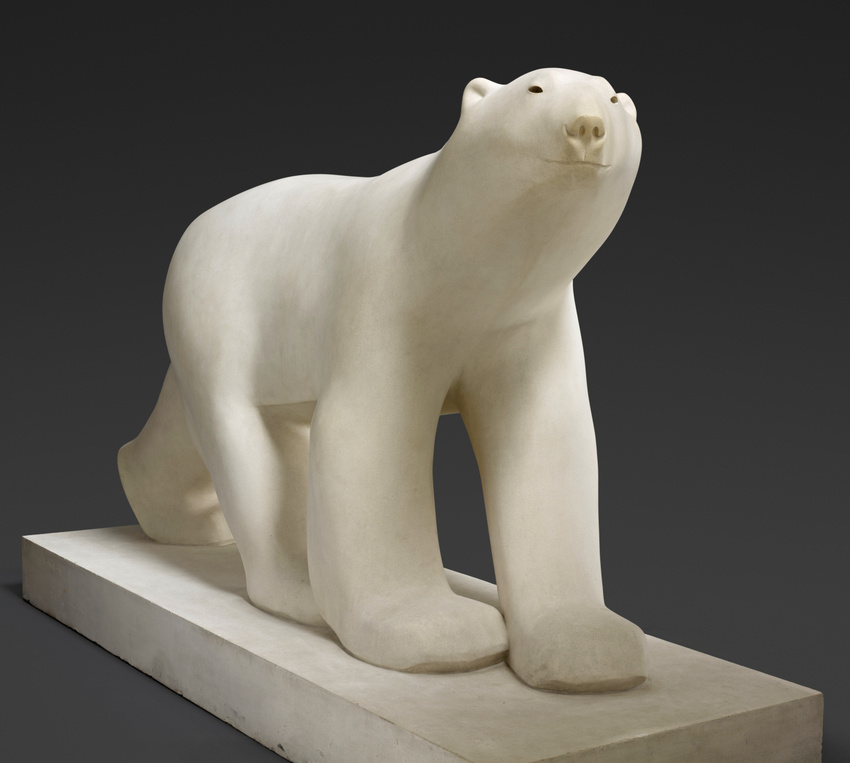
“Stand in the grand hall. Imagine mighty steam engines filling this vast space with sounds and whistles! Look closely at Pompon's Polar Bear – why is it so smooth? See Degas' Little Dancer with her real tutu. Then, climb high to peer through the giant clock. What secrets will you discover?”
From Grand Hall Echoes to Sculptural Surprises
Begin your adventure in the magnificent Grand Hall of the Musée d'Orsay, once a bustling train station. Close your eyes and imagine the sounds of steam engines and whistles that filled this colossal room, signaling departures to distant lands. Nearby, encounter François Pompon's "The Polar Bear." Notice its incredibly smooth, shiny surface. Why did the sculptor choose not to add fur? Pompon aimed to convey the bear's heavy, slow, rolling movement, rather than a mere photographic copy. Next, stand before Edgar Degas' "The Little Dancer." Observe her real fabric tutu and silk hair ribbon. Back in its day, sculptures were expected to be pristine white marble. The inclusion of actual doll clothes on this bronze figure shocked Parisian adults, challenging conventional art norms and sparking lively debate. It's a testament to art's power to surprise and provoke.
The Secret Language of Paint: Colors and Perspectives
Delve into the fascinating world of paint, starting with Paul Cézanne's "Apples and Oranges." Look closely at the table's edges beneath the tablecloth – do they line up? Cézanne ingeniously painted the scene from two different angles simultaneously, making the fruit appear as if it's about to roll right off the canvas. This technique challenged traditional perspective. Next, discover the hidden hues in Claude Monet's "The Magpie." At first glance, the snow shadows appear white, but peer closer and you'll find an array of blues, purples, and yellows. Monet masterfully used these colors to make the snow sparkle, capturing the vibrant essence of a sunny winter day. Finally, approach Georges Seurat's "The Circus." Get as close as possible to see millions of tiny colored dots, then step back and watch them magically blend into a solid, vibrant picture, a technique known as Pointillism.
Van Gogh's Feelings and Parisian Panoramas
Conclude your artistic journey with Vincent van Gogh's "Bedroom in Arles." Notice the strikingly yellow bed and the distinctly crooked walls. Van Gogh was not aiming for a perfect, photographic representation of his room. Instead, he painted the floor slanted and the colors exceptionally bright to convey his own dizzy and excited feelings at that time. He used color and perspective to express deep emotion. Finally, ascend to the ultimate viewpoint: the Giant Clock Window. This architectural marvel from 1900, once part of the station, now offers breathtaking panoramic views of Paris. Stand inside the colossal glass clock face and look out over the city. Imagine yourself as a giant, observing the miniature people and tiny toy boats gracefully floating down the iconic Seine River below. It’s a truly unique perspective on the City of Light.
Ready to Explore Paris?
Download the Paris Smart Guide now and transform your travel experience
Follow these stops in the Paris Smart Guide mobile app with offline GPS & interactive AI.
1
The Grand Hall
📍 Ground Floor, Central Nave.
Welcome to the giant train station! Having the kids imagine the sounds of steam engines and whistles filling the massive room.
2
The Polar Bear
📍 Level 2 (Middle Level), Sculpture Terrace.
The "marshmallow bear." Touching with our eyes: why did the sculptor make him so smooth and shiny instead of adding fur?
3
The Little Dancer
📍 Level 5, Room 31.
Spotting the real fabric tutu and silk hair ribbon on the bronze statue, and why it shocked people back then.
4
Apples and Oranges
📍 Level 5, Room 36.
A game of "spot the wobbly table." Figuring out why the fruit looks like it’s about to roll right off the canvas.
5
The Magpie
📍 Level 5, Room 31.
A color-hunting game. Looking closely at the "white" snow shadows to find blues, purples, and yellows hidden inside.
6
The Circus
📍 Level 5, Room 43.
Getting up close to see the millions of tiny colored dots, and stepping back to watch them magically blend together.
7
Bedroom in Arles
📍 Level 2 (Middle Level), Room 71.
Why is the bed so yellow and the walls so crooked? Exploring how colors can show us how an artist is feeling.
8
The Giant Clock Window
📍 Level 5, Main Clock Window.
Standing inside a giant clock! Looking out over Paris like a giant to wrap up the adventure.
Frequently Asked Questions
What makes the Musée d'Orsay kids' audio guide special?
It transforms the museum into an interactive adventure, helping children "read" paintings, find hidden details, and understand art concepts through games and engaging stories, from smooth polar bears to giant clock windows.
How long does the "Colors, Clocks, and Canvases" tour last?
The tour is designed to be flexible. While it can be completed in approximately 60-90 minutes, families can pause and play at their own pace, exploring each stop thoroughly.
Can children actually touch anything on the tour?
While direct touching of artworks is not permitted in the museum, the audio guide encourages "touching with your eyes," like imagining the smooth texture of the Polar Bear or spotting the real fabric on the Little Dancer.
What historical secret will we learn about the Giant Clock Window?
You'll discover that the Giant Clock Window was originally part of the 1900 Beaux-Arts train station's architecture, allowing travelers to see the time and city. Now, it offers a unique, giant's perspective over Paris.