










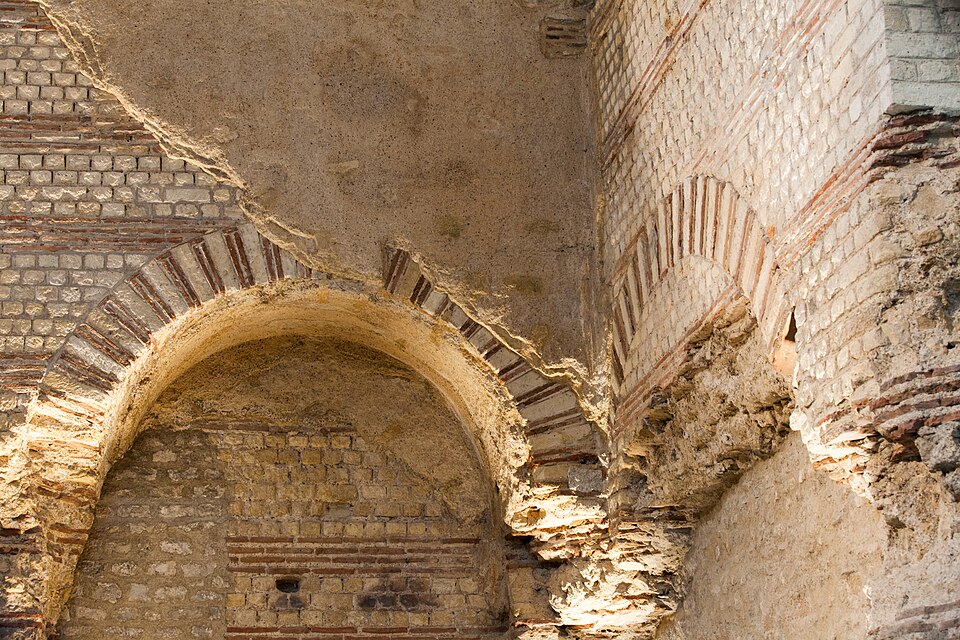
Historical Origin, Rediscovery and Victor Hugo
Constructed during the first century AD when Paris was the Roman city of Lutèce, this grand open-air complex served as the premier civic entertainment venue of the settlement. For nearly three hundred years, crowds packed its stone rows. Following the fall of the Western Roman Empire and centuries of barbarian raids, the site was quarried for defensive building stones, gradually buried by earthworks, and eventually forgotten. In the late 1860s, urban renovations by the Compagnie Générale des Omnibus uncovered the subterranean ruins during construction of a tramway depot. Developers planned to demolish the ancient masonry, but renowned novelist Victor Hugo led a impassioned public crusade to save it. In a famous letter to the Parisian municipal council, Hugo argued that destroying the arena would erase the very foundation of Paris. His literary authority compelled the city to preserve and restore the surviving monument during the 1880s.