Step into Lutetia: Unearthing Ancient Rome in Paris's Latin Quarter
Imagine Paris 2,000 years ago, not as the City of Lights, but as Lutetia, a thriving Roman outpost established after Julius Caesar's conquest. Beneath the bustling streets and elegant Haussmannian facades of the Latin Quarter lies a forgotten world of emperors, gladiators, and bathhouses. This audio tour invites you to journey back, revealing the hidden architectural marvels and daily lives of Lutetia's Roman citizens.
🎧 20-Second Audio Guide Preview
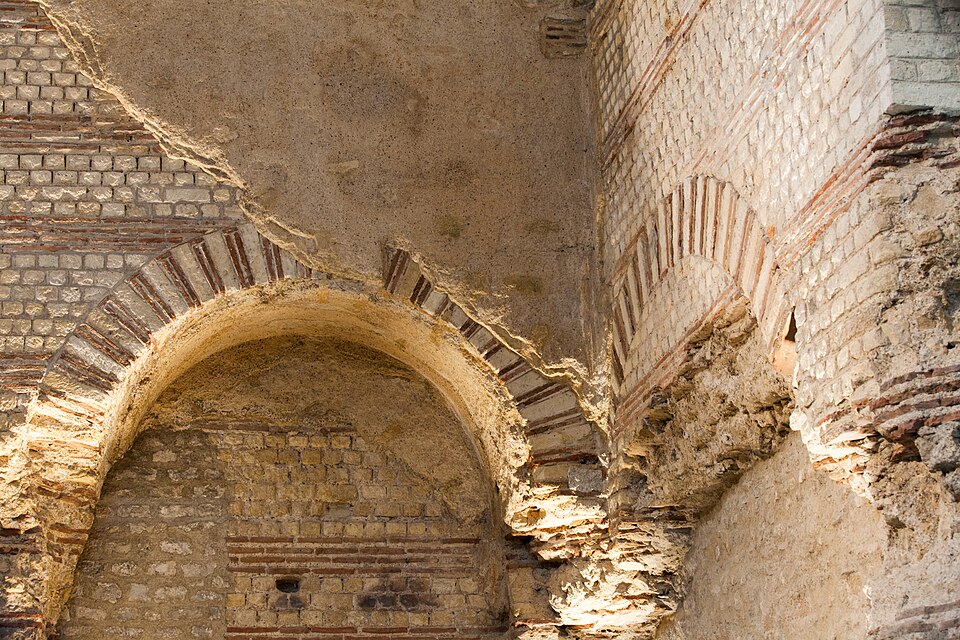
“Stand in Paris, but imagine Lutetia, 2,000 years ago. Look closely around the Latin Quarter. You are walking on Roman roads, above forgotten bathhouses. Notice the details at the Arènes de Lutèce, a gladiatorial arena hidden in plain sight. Marvel at the Thermes de Cluny's soaring vaults. What other Roman secrets lie beneath your feet?”
🗺️ Interactive Walking Route Map
Tap any numbered stop pin to preview its location & walking directions
The Blueprint of Roman Lutetia: Streets, Water, and Law
Long before Paris, the Roman city of Lutetia was strategically established after Julius Caesar's conquest in 52 BC. The Romans meticulously planned their new settlement, implementing a strict grid system still subtly visible today. At the Port-Royal/Boulevard Saint-Michel intersection, you stand at the edge of the ancient city, where strict Roman law mandated burials only in the vast necropolis beyond the walls for hygiene. Meanwhile, life within the city thrived, sustained by sophisticated infrastructure like the hidden aqueduct on Montagne Sainte-Geneviève, which brought fresh water from the Bièvre river 16 kilometers away using precise gravity-fed engineering. The Cardo Maximus, modern Rue Saint-Jacques, was Lutetia's main north-south highway, linking the Seine to routes towards Italy and Spain, while the Roman Forum near Rue Soufflot served as the absolute political and commercial heart, though nothing remains above ground.
Gladiators, Baths, and Theatrical Spectacles
The Roman citizens of Lutetia lived vibrant public lives, with entertainment and hygiene at their core. The Arènes de Lutèce, dating from the 1st Century AD, offered thrilling spectacles to 15,000 eager spectators. This unique Gallo-Roman amphitheater combined a circular arena for gladiatorial combat and animal hunts with a raised stage for theatrical plays, a testament to hybrid culture. It lay hidden for centuries until its rediscovery and preservation by Victor Hugo in the 1880s. Equally vital were the Thermes de Cluny, monumental public bathhouses constructed in the 3rd Century AD. The surviving 'Frigidarium,' or cold room, impressively retains its original 14-meter-high (45-foot) vaulted ceiling. These baths were not merely for cleansing, but served as crucial centers for daily rituals, political discussions, and business dealings.
A Tapestry of Faith: Roman and Celtic Influences
Lutetia was a place where cultures merged, as perfectly exemplified by the remarkable 'Pillar of the Boatmen' (Pilier des nautes). Erected in the 1st Century AD by wealthy Parisian river merchants, this monument, now housed within the Musée de Cluny, showcases a fascinating religious synthesis. It pays tribute to both the Roman Emperor Tiberius and the mighty Roman god Jupiter, yet it also reveres ancient, horned Celtic/Gallic gods like Cernunnos. This artifact stands as powerful evidence of the peaceful integration of Roman and indigenous Celtic beliefs and traditions. It underscores how the Roman presence in Gaul was not just about conquest, but also about the blending of different ways of life, leaving an indelible legacy that shaped what would eventually become Paris.
Ready to Explore Paris?
Download the Paris Smart Guide now and transform your travel experience
Analyze the oldest monument in Paris and the peaceful blending of Roman and Celtic gods.
Frequently Asked Questions
How much of Roman Lutetia can still be seen in Paris today?
While much is buried beneath modern streets, visible ruins include the Arènes de Lutèce and the magnificent Thermes de Cluny (part of the Musée de Cluny). Our audio guide also points out the historical locations of the forum, aqueduct paths, and the Cardo Maximus.
What was the purpose of the Arènes de Lutèce?
The Arènes de Lutèce served as a large Gallo-Roman amphitheater from the 1st Century AD. It hosted both brutal gladiatorial combats and animal hunts in its circular arena, as well as theatrical performances on its raised stage for 15,000 spectators.
Where can I see the 'Pillar of the Boatmen'?
The 'Pillar of the Boatmen' (Pilier des nautes) is a significant 1st Century AD monument housed within the Musée de Cluny. It uniquely showcases the peaceful integration of Roman deities like Jupiter with ancient Celtic gods like Cernunnos.
How does this audio guide help me discover Roman Paris?
Our self-guided audio tour uses GPS to lead you directly to the key sites of ancient Lutetia in the Latin Quarter. It provides rich historical context, vivid descriptions of what once stood, and highlights hidden details you might otherwise miss, bringing Roman Paris to life.