










The Fiery Apocalypse Rose Window of Île de la Cité

The Fiery Apocalypse Rose Window of Île de la Cité

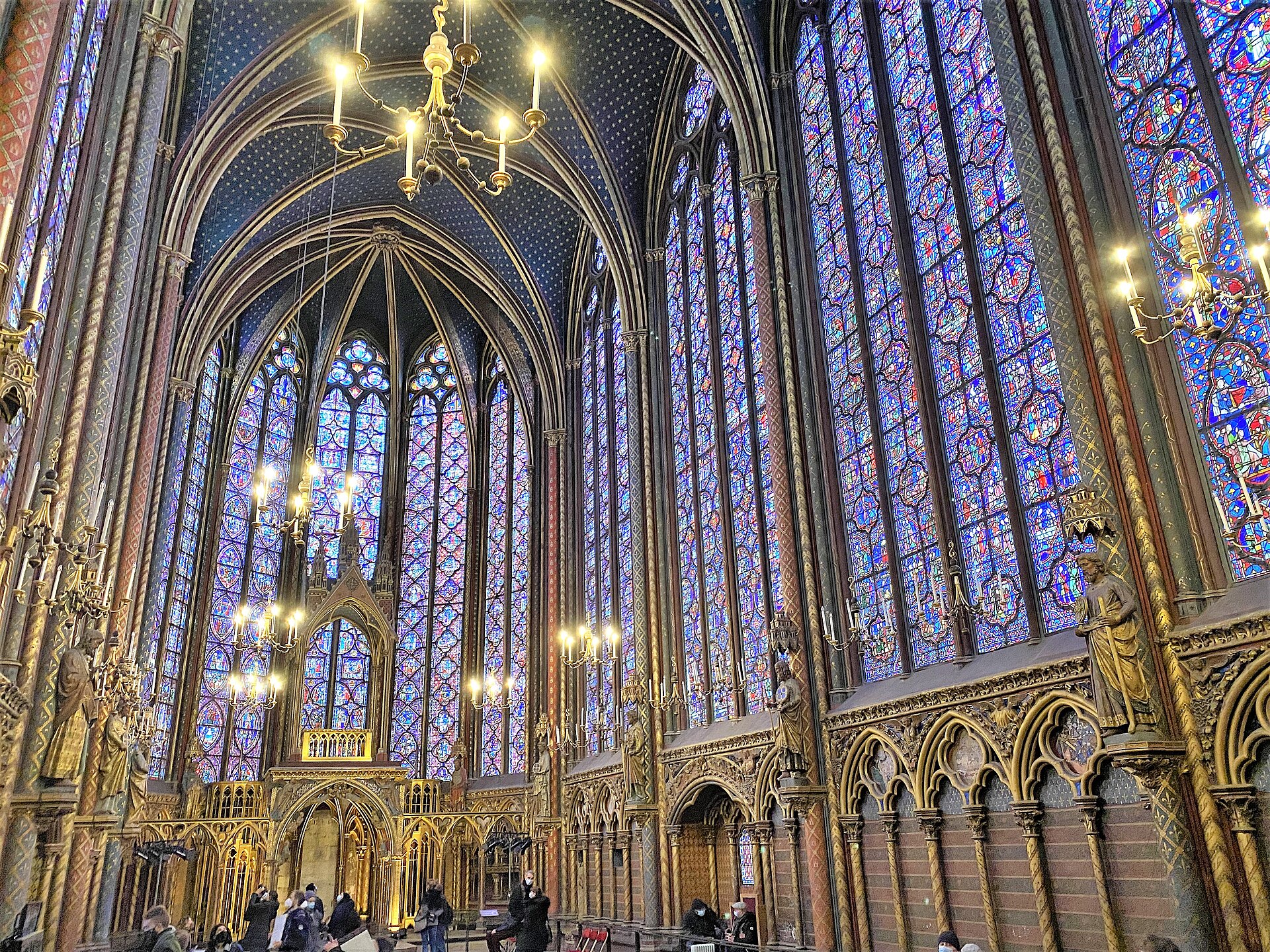
When visitors turn away from the soaring thirteenth-century nave walls to face the western exit, a sudden explosion of color stops them in their tracks. The Apocalypse Rose Window bursts across the stonework in radiant yellows and acid greens. Commissioned during the fifteenth century, this Flamboyant Gothic masterpiece transforms Saint John's terrifying biblical vision of the end times into an intricate web of luminous glass, crowning the royal chapel with apocalyptic drama.

🏛️ Museum Wayfinding Upper Level, Western Wall.
⏳ Era & Origin
Fifteenth-century Flamboyant Gothic reconstruction, around 1485.
📍 Exact Gallery / Wing
Upper Level, Western Wall directly above the chapel entrance.
🕒 Suggested Time
10 to 15 minutes.
💡 Insider Tip
Notice the unusual bright yellow silver stain and brilliant lime greens.
🎧 20-Second Audio Guide Preview

“Turn around and face the great western wall above the entrance. Look up at this massive late Gothic starburst. Unlike the deep blues of the thirteenth century, this glass erupts in blazing yellows and acid greens. Why did fifteenth-century masters choose terrifying prophecy to crown this royal sanctuary?”

The Fifteenth-Century Rebirth of the Western Rose

The western facade originally held a thirteenth-century Rayonnant rose window installed under King Louis IX. However, by the late Middle Ages, structural shifts and wear prompted a dramatic redesign. Under the reign of King Charles VIII in the late fifteenth century, master glaziers replaced the older rose with an avant-garde Flamboyant Gothic creation. While the chapel's lateral windows belong to the classic high medieval palette dominated by saturated reds and blues, this later addition reflects the evolving technological mastery of the late 1400s. The replacement was not simply a structural repair; it served as a royal statement aligning the French crown with celestial prophecy. Glaziers utilized the Book of Revelation to offer an epic conclusion to the chapel's biblical cycle. By weaving complex biblical prophecy across dozens of interlocking stone tracery panels, the craftsmen permanently fused late medieval court politics with divine eschatology, creating an architectural boundary between the earthly city and heavenly light.

Fiery Greens, Acid Yellows, and Prophetic Geometry

The visual impact of the Apocalypse Rose Window lies in its radical chromatic break from the surrounding walls. Medieval artisans employed silver stain, a technique popularized in the fourteenth and fifteenth centuries, which allowed clear glass to take on vibrant golden yellow hues without heavy lead calmes. Together with vivid emerald and lime greens, this palette creates a luminous, fiery intensity suited to Saint John's apocalyptic imagery. Across eighty-seven individual tracery panels, the narrative unfolds outward from Christ in Majesty seated at the central medallion. Surrounding panels illustrate the four horsemen of the Apocalypse, the opening of the seven seals, angels sounding trumpets, and monstrous beasts emerging from the sea. Rather than reading solely from bottom to top like the narrative lancets, this circular composition radiates outward like a cosmic shockwave. Every petal of stone tracery holds a terrifying moment of cosmic judgment, rendered with expressive draftsmanship and nuanced tonal shading impossible in earlier centuries.

Optimal Vantage Points and Reading the Western Light

To fully appreciate the Apocalypse Rose Window, walk past the initial rush of visitors and proceed toward the eastern apse of the upper chapel. Turn around completely to face the western wall from the center of the nave. Standing mid-chapel provides the ideal perspective to take in the monumental nine-meter diameter of the rose without straining your neck. Visiting in the mid-to-late afternoon is especially magical. As the sun begins its western descent over Paris, direct sunlight pierces the window, igniting its yellow and green glass into a glowing celestial furnace. Bring small binoculars or use your phone camera zoom to inspect individual panels, particularly the central image of the Savior with a two-edged sword proceeding from his mouth. Notice the contrast between this window's curving, flame-like stone tracery and the rigid geometric lancets nearby. This deliberate visual juxtaposition represents two entirely different centuries of Gothic innovation meeting in a single glance.

Paris Smart Guide

Ready to Explore Paris?

Download the Paris Smart Guide now and transform your travel experience

✨ Explore All App Features

Frequently Asked Questions

Why does the Apocalypse Rose Window look different from the other windows?

The rose window was installed in the late fifteenth century in the Flamboyant Gothic style, around two hundred years after the lateral thirteenth-century windows. It features flame-like tracery, complex silver stain techniques, and a distinct palette of luminous yellows and greens.

What biblical story is depicted in this rose window?

The window illustrates the Book of Revelation, also known as the Apocalypse of Saint John. It depicts the end of the world, including the four horsemen, the seven trumpets, celestial battles, and Christ judging humanity at the end of time.

Where exactly is the Apocalypse Rose Window located?

The window is set high into the western wall on the upper level of the chapel, directly above the main exit doors. Visitors see it clearly by standing in the nave and looking back toward the western facade.

What is the best time of day to view the window?

Late afternoon is the best time to view it. Because the window faces west, the setting sun shines directly through the glass, making the yellows, fiery ambers, and emerald greens glow with maximum brilliance.

Paris Smart Guide
★★★★★ 4.8 • FREE APP • OFFLINE GPS
Hear Paris's Hidden Stories
Your Personal Audio Guide • 10 Languages
🎧 Download the Audio Tour