From Royal Grandeur to Grim Transformation
Begin your journey through The Conciergerie by stepping back to its origins as a magnificent medieval palace. In the early 14th century, chambers like the Hall of the Guards served as the bustling quarters for the King's elite soldiers, who lived, trained, and fiercely protected the royal family within these very walls. Adjacent, the immense Hall of the Men-at-Arms stands as the largest surviving medieval hall in Europe. It once roared daily, successfully feeding up to 2,000 palace staff. This opulent period, filled with royal ambition and daily court life, starkly contrasts the grim transformation that awaited these historic grounds. The very architecture here whispers tales of power and prosperity before the shadow of revolution fell upon Paris.
The Heart of the Revolutionary Tribunal
The Conciergerie's dramatic shift from royal residence to a notorious revolutionary prison is powerfully encapsulated by the Rue de Paris. This architectural dividing line marks precisely where the glamorous palace was abruptly walled off, giving way to the dark, crowded holding pens managed by the Revolutionary Tribunal. Venture into the chilling Prisoners' Gallery, active between 1793 and 1794. Here, you will explore the exact rooms where countless prisoners endured their terrifying bureaucratic fate. It was in these very spaces that they desperately waited for judgment, bargained for their lives, and had their hair ritually cut before being led to the guillotine. The air still seems thick with their desperation.
Final Days and Enduring Legacy
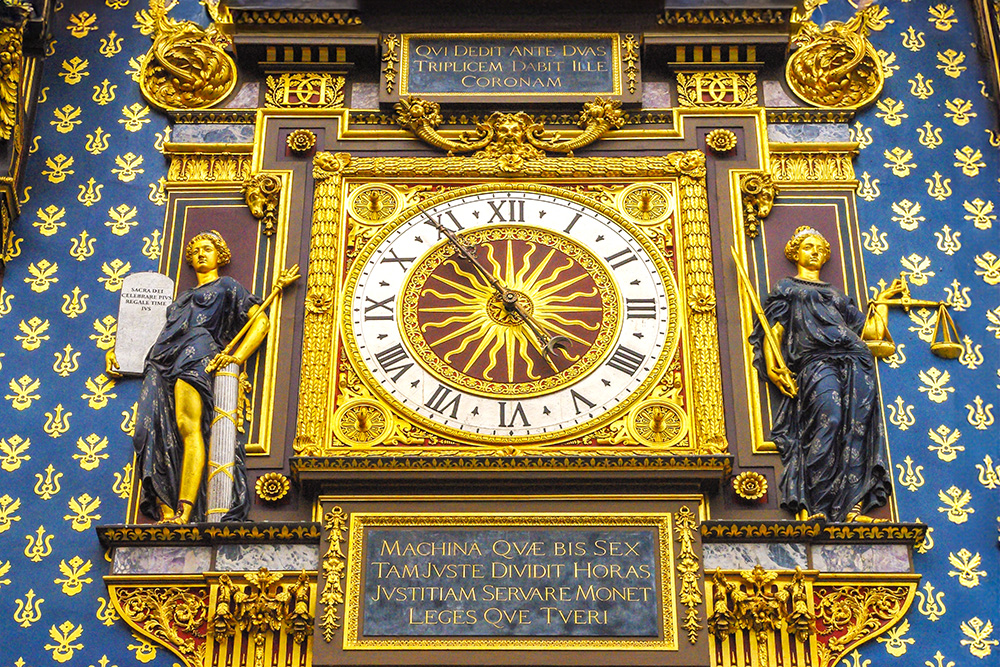
Among the most poignant spaces within The Conciergerie is Marie Antoinette's Cell. In 1793, the fallen Queen of France spent her final 76 days here, under relentless surveillance, before her execution. Her tiny, damp, heavily guarded room offers a stark glimpse into her solitary confinement. Just beyond, the Women's Courtyard provided the only solace for condemned prisoners—a tragic outdoor enclosure where they could walk, wash clothes at the fountain, and exchange their final goodbyes. Emerging outside, the magnificent Tour de l'Horloge, or Clock Tower, dating back to 1370, stands as an enduring symbol. Its oldest public clock in Paris has ticked relentlessly, beautifully marking centuries of royal ambition and revolutionary bloodshed.